

Small AGV Robot for Material Handling: Complete Buyer's Guide
If you are evaluating automation solutions for your factory or warehouse, a small AGV robot for material handling is likely at the top of your list. These compact autonomous vehicles move pallets, carts, and raw materials across production floors without human intervention — cutting labor costs, reducing errors, and enabling 24/7 operations. But with so many types, payloads, and navigation technologies on the market, choosing the right system can feel overwhelming. This guide breaks down everything you need to know before making a procurement decision.
What Is a Small AGV Robot and How Does It Work?
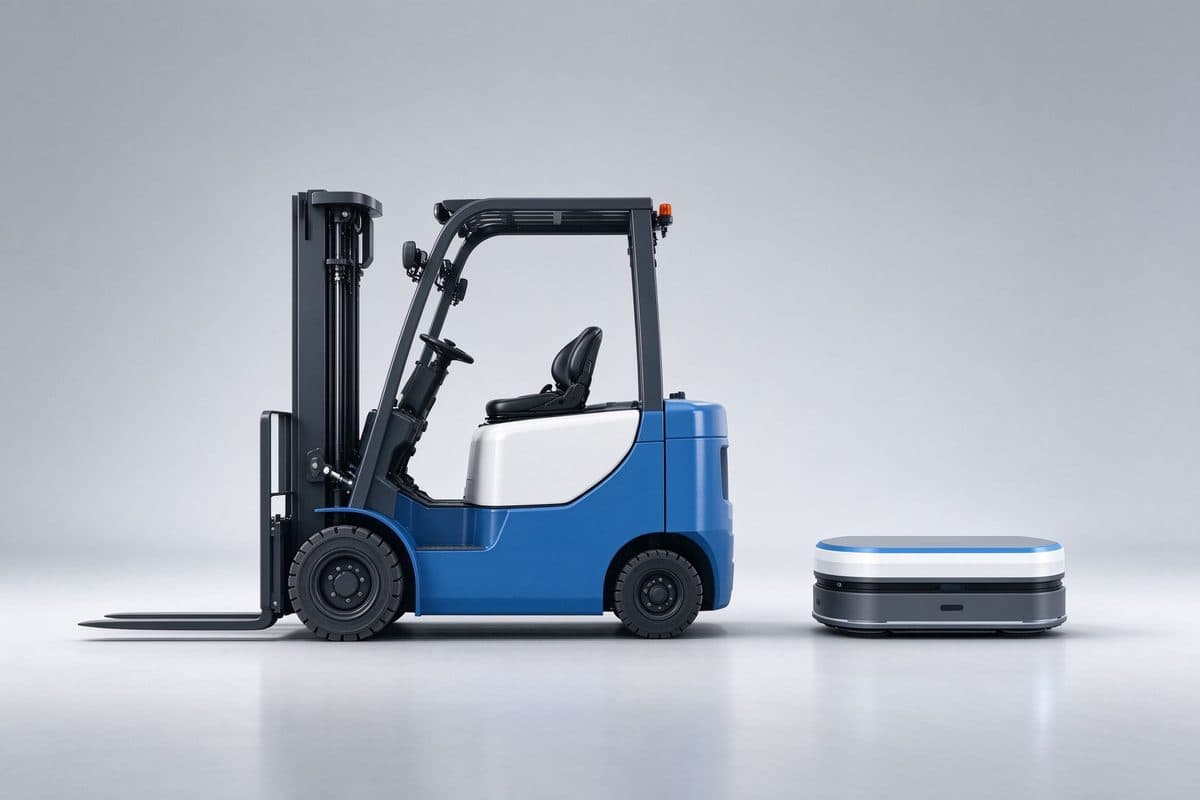
A small AGV (Automated Guided Vehicle) robot is a compact, self-navigating vehicle designed to transport materials within a facility. Unlike human-operated forklifts, these robots follow predefined routes or dynamic paths using sensors, LiDAR, cameras, or magnetic tape.
Most small AGVs operate with SLAM (Simultaneous Localization and Mapping) technology, meaning they build a map of the environment and navigate intelligently without fixed tracks. Others use QR code navigation or magnetic induction, which are simpler and more cost-effective but less flexible. A typical small AGV system integrates with warehouse management software (WMS) or manufacturing execution systems (MES) to receive transport tasks automatically.
Types of Small AGV Robots for Material Handling
Not all AGVs are built the same. Here are the most common types:
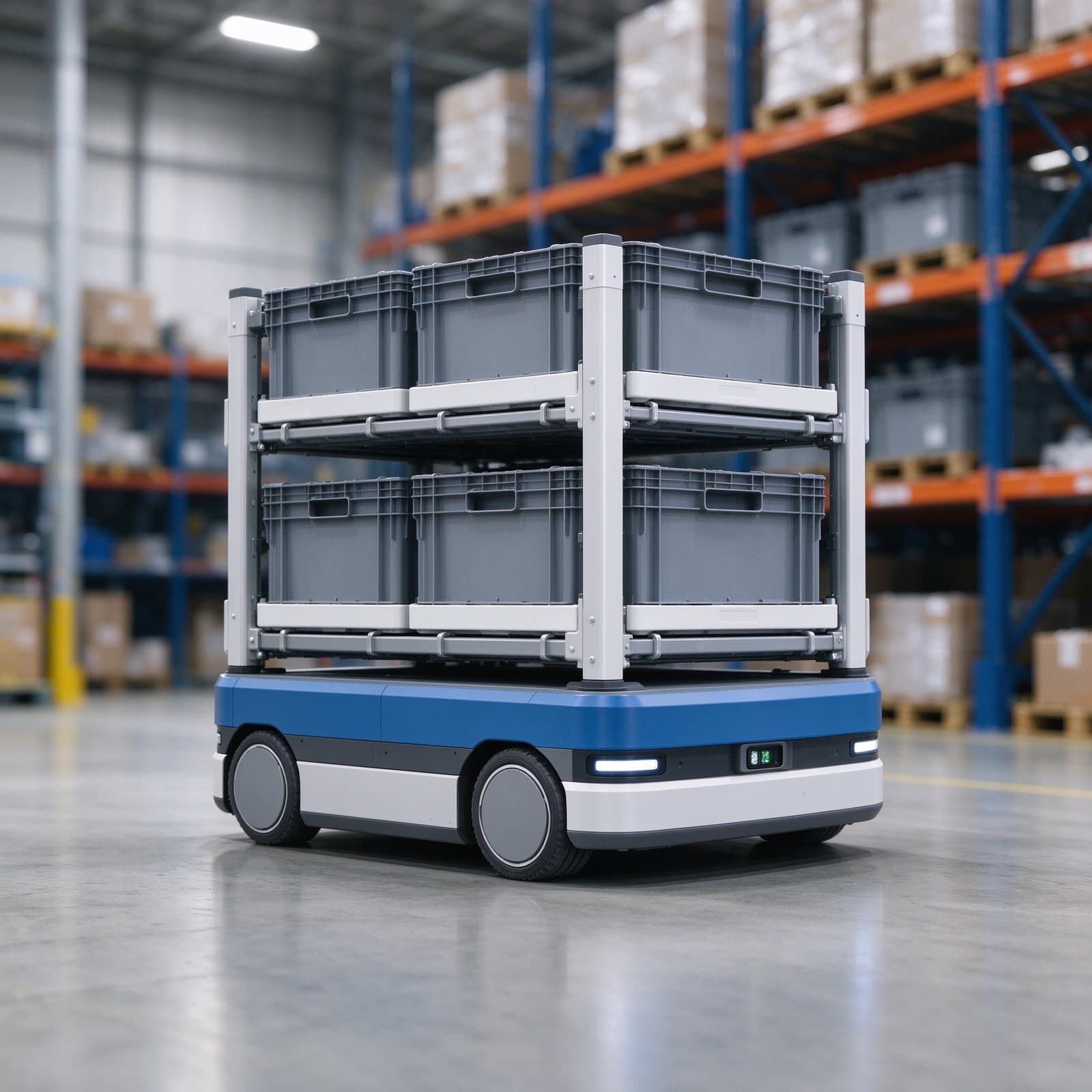
- Pallet-moving AGVs: Designed to carry standard pallets (typically up to 1,000 kg). These are ideal for moving finished goods between production lines and storage areas.
- Tow-tractor AGVs: Pull carts or trailers in trains. They are efficient for batch material delivery in assembly lines.
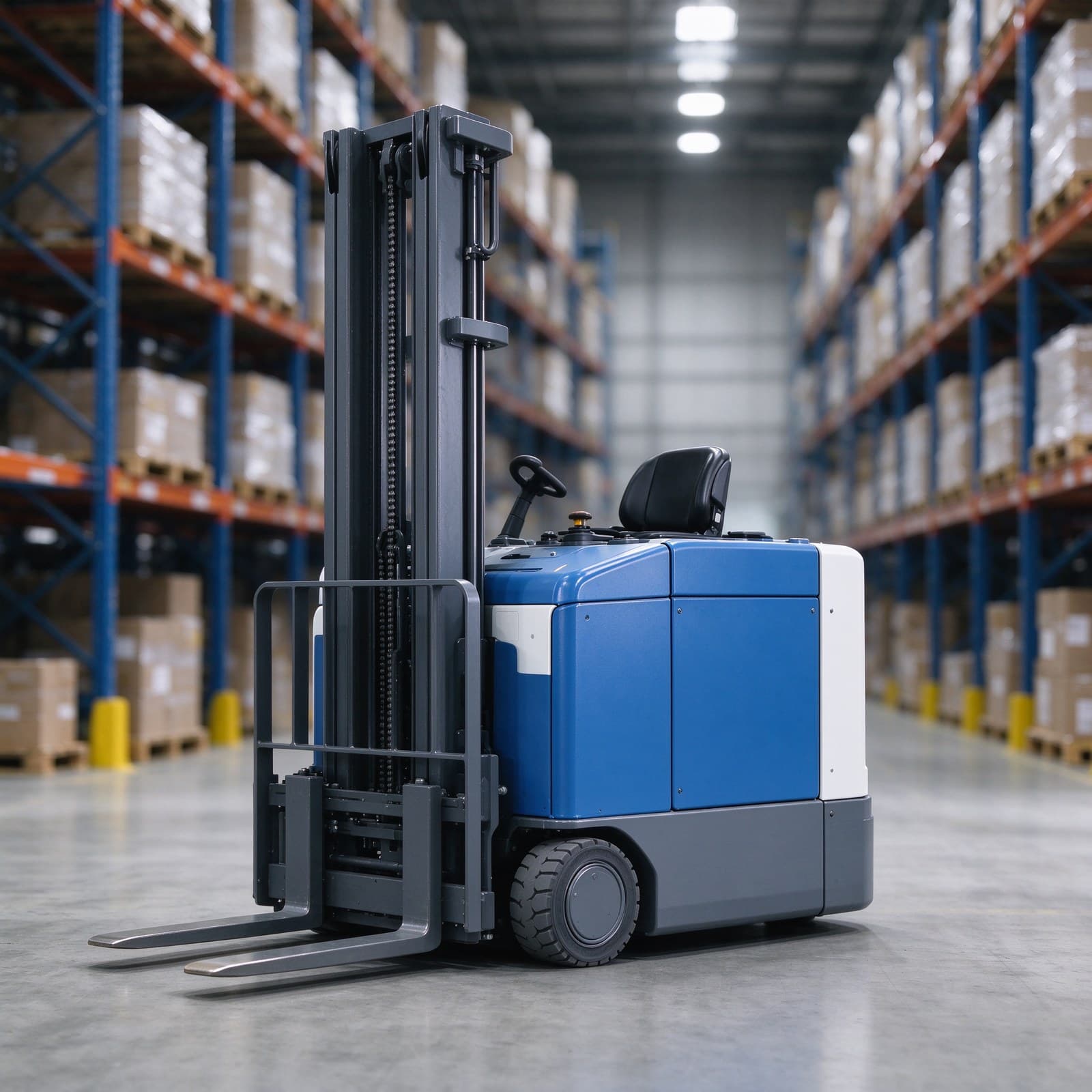
- Forklift-style AGVs: Compact versions of automated forklifts that can lift and place loads on racks. Useful for cross-docking and staging areas.
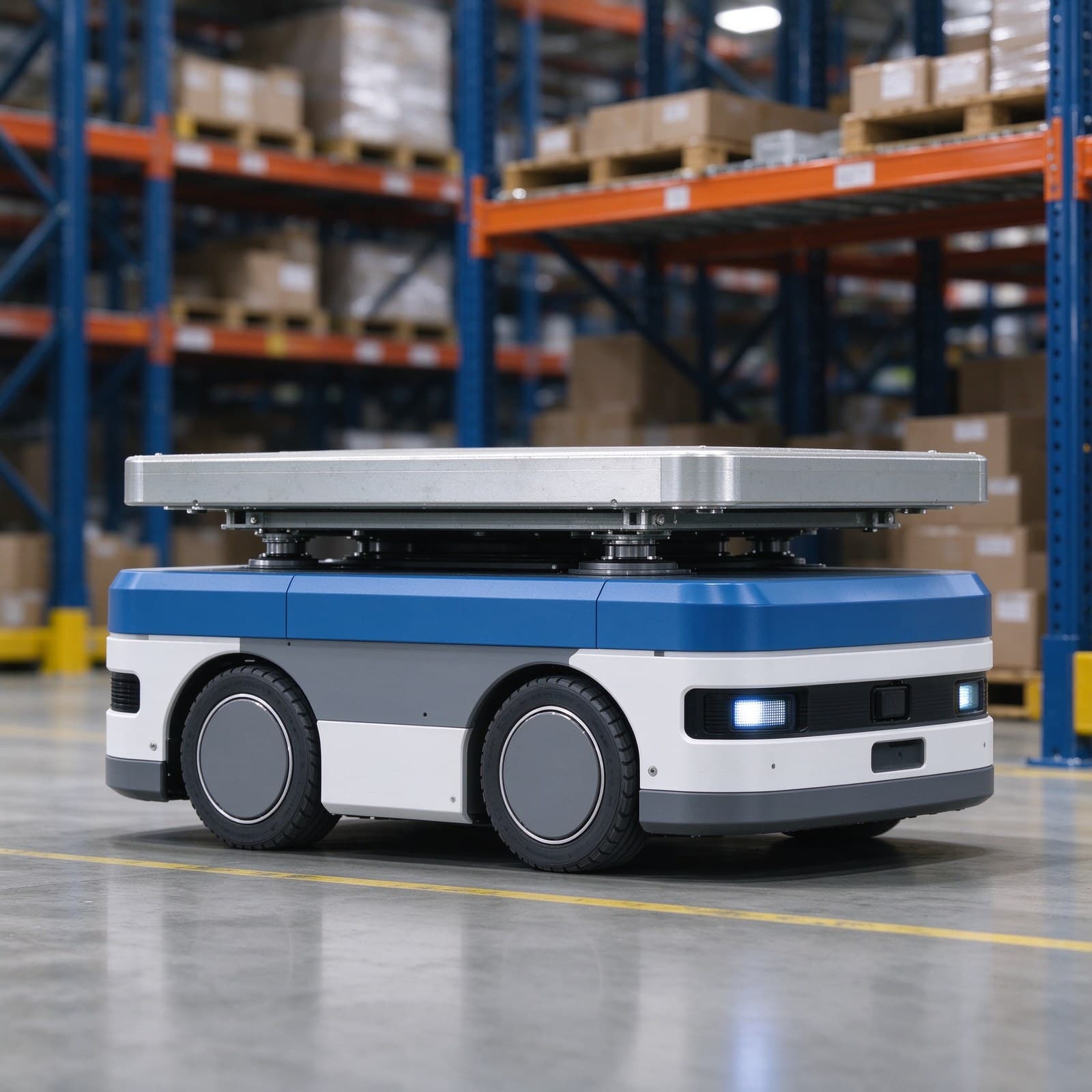
- Omnidirectional AGVs: Equipped with swivel wheels, these robots can move in any direction, making them perfect for tight factory floors with narrow aisles.
Each type serves different payload capacities and operational environments. A lightweight pallet AGV for warehouse use typically handles 500–1,500 kg, while heavier-duty models can reach 3,000 kg.
Key Advantages for Factory and Warehouse Operations
Investing in a small AGV robot for material handling delivers measurable ROI across multiple dimensions:
- Labor cost reduction: One AGV can replace 2–3 shift workers for repetitive material transport tasks.
- Operational consistency: Robots operate without fatigue, reducing product damage and order errors.
- Space optimization: Small AGVs navigate narrow aisles (as narrow as 1.2 meters) and work in constrained spaces where forklifts cannot.
- Data transparency: Real-time tracking of material flow helps managers identify bottlenecks and improve throughput.
- Safety compliance: Built-in sensors, emergency stops, and CE/ISO certifications ensure safe operation around human workers.
For a typical mid-size factory, deployment of 3–5 AGVs can reduce material handling labor costs by 40–60% within the first year.
How to Choose the Right Small AGV Robot
Selecting the optimal compact AGV system for factory automation requires careful evaluation of your operational needs. Consider these factors:
- Payload capacity: Match the robot's rating to your heaviest load. Overloading reduces battery life and increases wear.
- Navigation method: SLAM-based systems offer flexibility but come at a higher cost. QR code or magnetic navigation is cheaper but requires infrastructure modifications.
- Battery type and charging: Lithium-ion batteries offer faster charging and longer life. Consider opportunity charging stations along routes.
- Operating environment: Does your floor have slopes, ramps, or outdoor sections? Some AGVs handle gradients up to 15%, while others require flat surfaces.
- Integration capability: Ensure the AGV vendor provides open APIs for WMS/MES integration. Closed systems limit scalability.
- Total cost of ownership: Beyond the purchase price (typically $15,000–$40,000 per unit), factor in maintenance, training, and software subscription costs.
Real-World Applications and Case Studies
Small AGV robots are transforming operations across industries:
Automotive parts manufacturing: A Tier-1 supplier in Southeast Asia deployed 8 AGVs to move engine components between machining cells. Result: 30% increase in line-side delivery efficiency and zero parts misrouted over 12 months.
Electronics assembly: A smartphone factory uses 12 omnidirectional AGVs to feed SMT lines with PCB trays. The system operates 22 hours a day with only 2 hours of downtime for charging.
Cold storage logistics: A food distribution center deployed cold-rated AGVs (operating at -20°C) to move pallets in freezer zones, eliminating worker exposure to hazardous cold environments.
FAQ: Small AGV Robot for Material Handling
Q1: What is the typical cost of a small AGV robot for material handling?
A: Prices range from $12,000 to $45,000 depending on payload capacity, navigation type, and customization. SLAM-based systems with LiDAR tend to be at the higher end, while QR code-guided models are more budget-friendly.
Q2: Can small AGV robots work in mixed environments with human workers?
A: Yes. Modern AGVs are equipped with 360-degree LiDAR, safety scanners, and emergency stop buttons. They automatically slow down near humans and stop completely when an obstacle is detected, complying with ISO 3691-4 safety standards.
Q3: How long does it take to deploy a small AGV system?
A: For a standard setup with 5–10 robots, deployment typically takes 2–4 weeks including site survey, software mapping, operator training, and WMS integration testing.
Conclusion
A small AGV robot for material handling is no longer a luxury — it is a competitive necessity for modern manufacturing and logistics operations. By choosing the right system for your payload, environment, and integration requirements, you can achieve faster throughput, lower labor costs, and safer workplaces.
If you are looking for a reliable industrial AGV robot supplier from China with proven deployment experience across Asia, Europe, and North America, feel free to contact us for a customized solution tailored to your facility's needs. We provide end-to-end support from site survey to after-sales maintenance.