

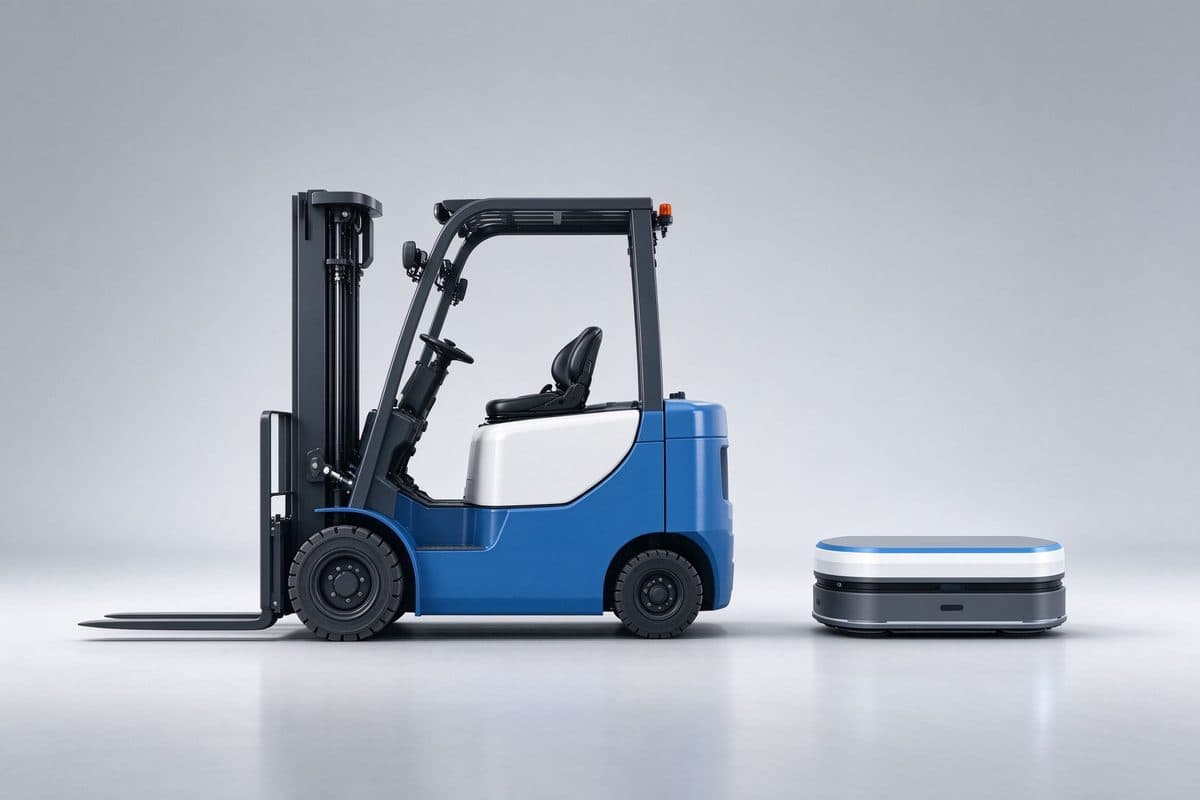
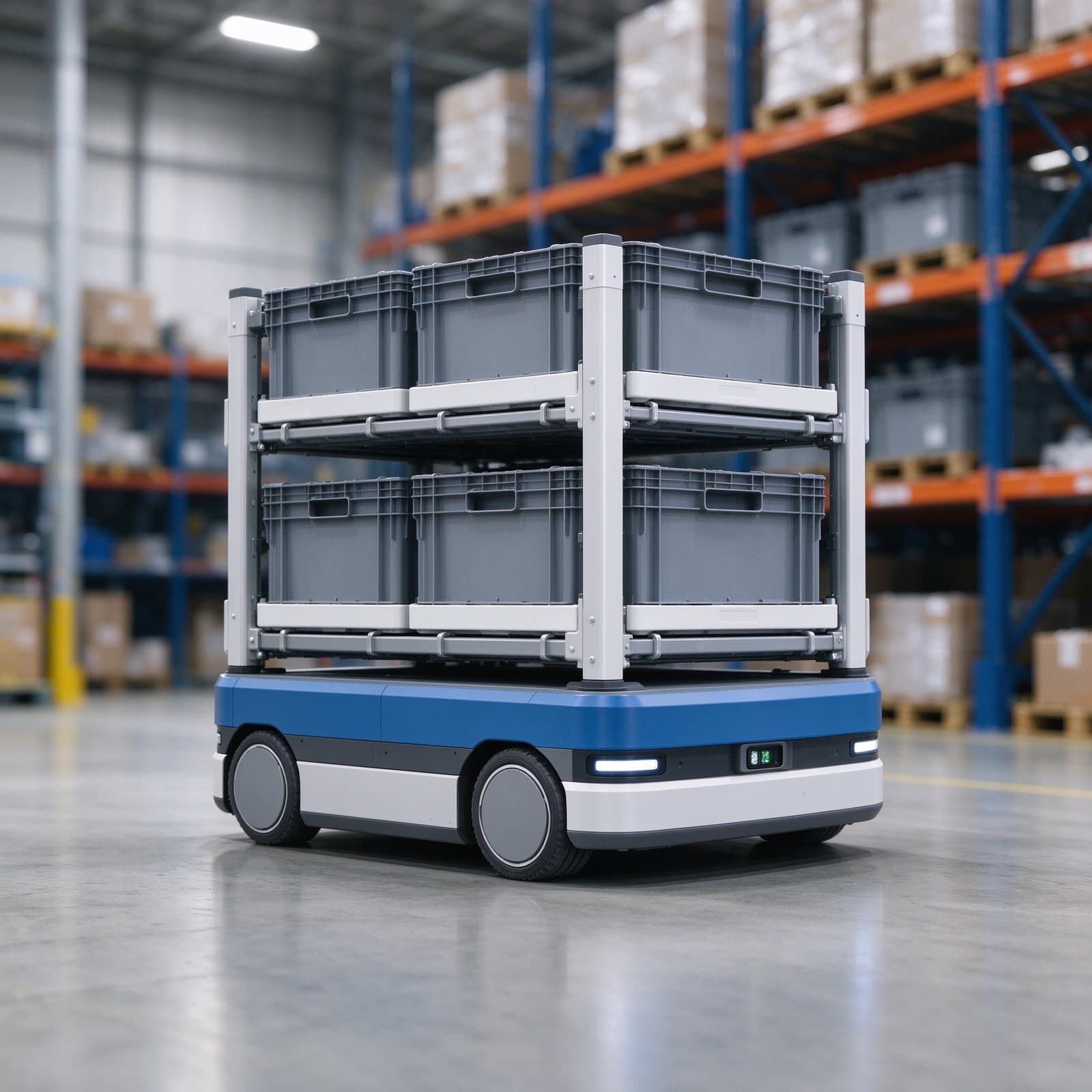
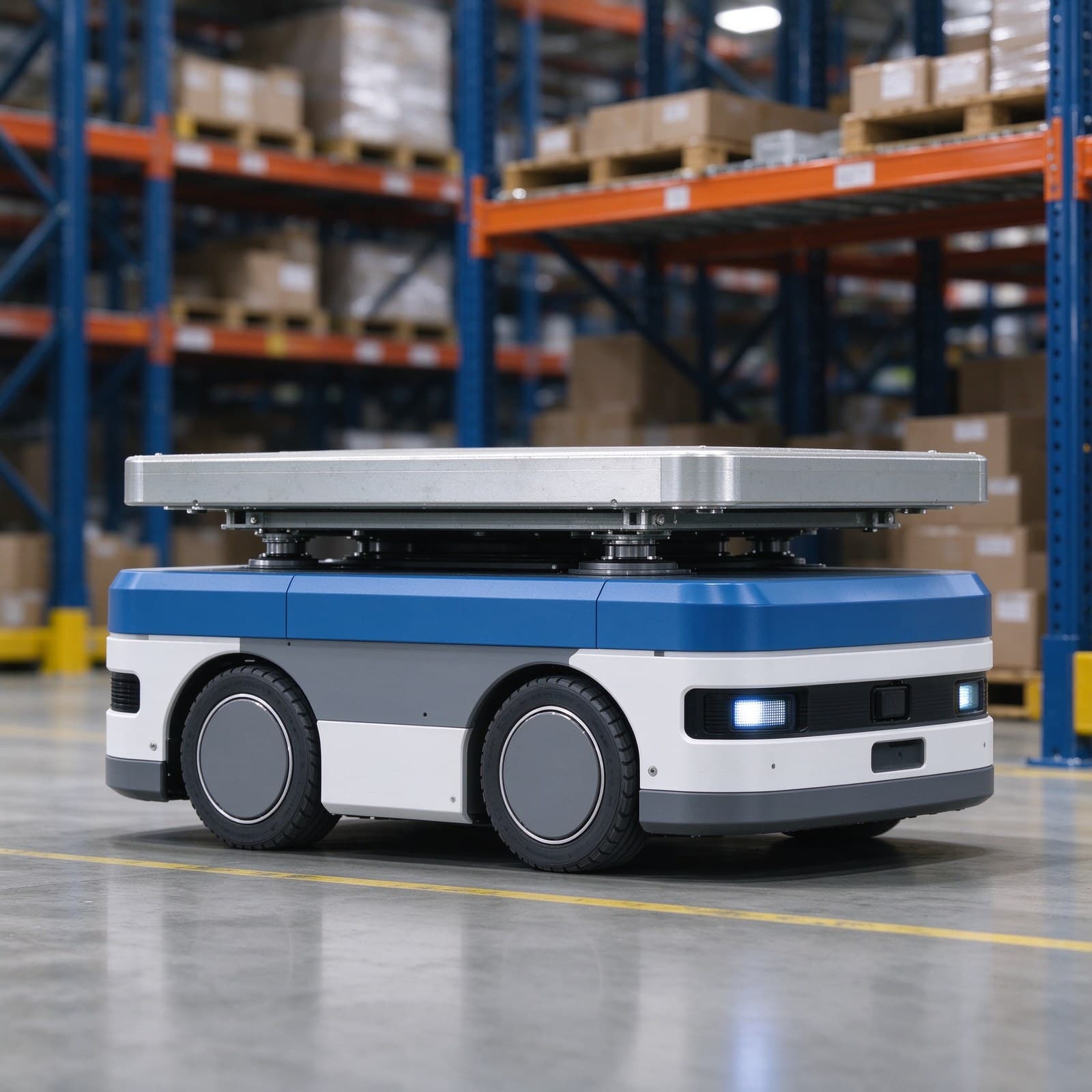
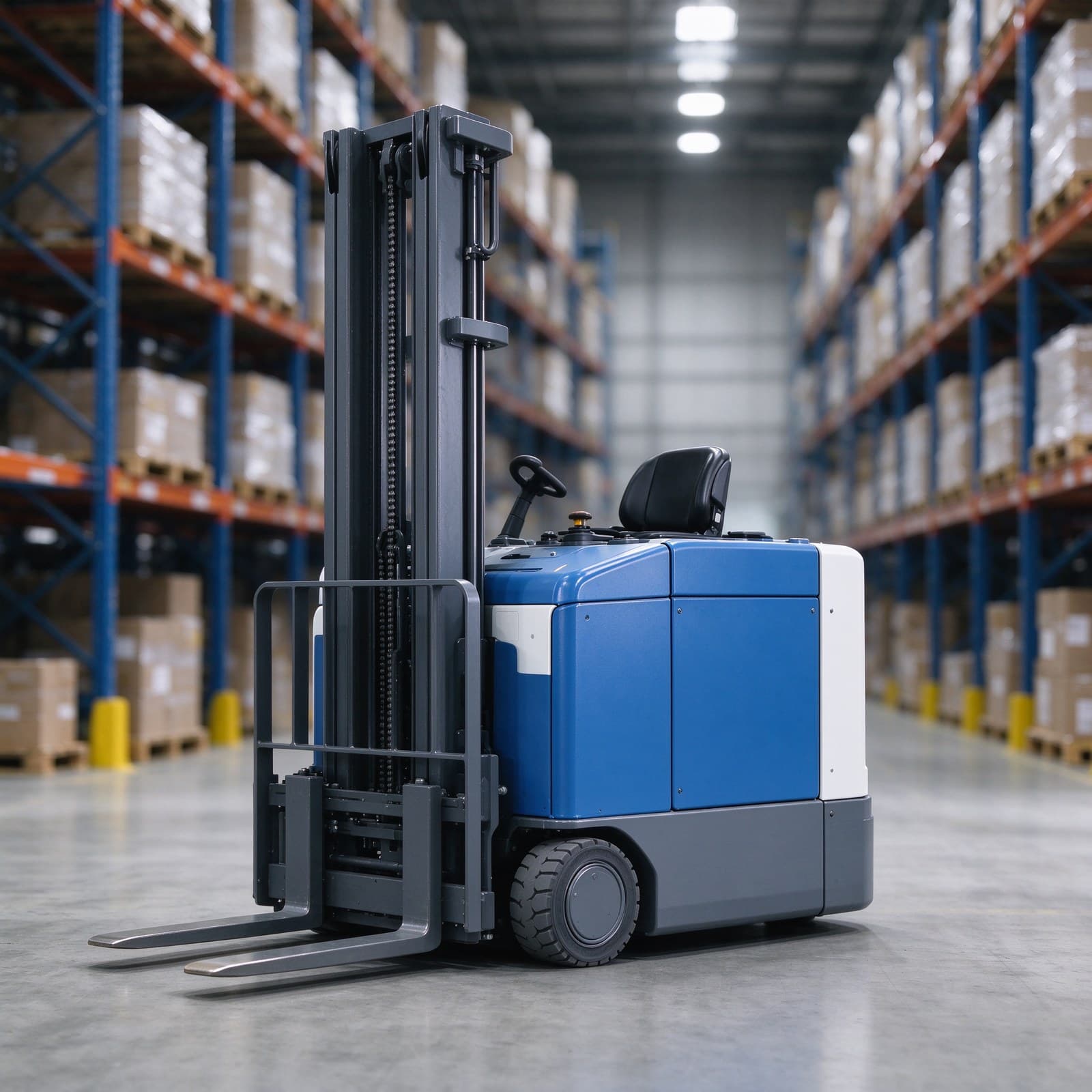
In the rapidly evolving landscape of Industry 4.0, businesses are constantly seeking ways to optimize their factory floors and warehouses. One of the most transformative solutions available today is automated material handling equipment: AGV. If you are a factory purchaser, logistics manager, or automation engineer looking to streamline your operations, understanding how Automated Guided Vehicles (AGVs) and Autonomous Mobile Robots (AMRs) can elevate your facility is crucial. These autonomous systems seamlessly transport raw materials, semi-finished goods, and finished products across the facility without human intervention, drastically reducing operational bottlenecks and labor costs.
Working Principle of AGV Systems
To make an informed procurement decision, it helps to understand how this technology works. The foundation of any automated material handling equipment AGV lies in its navigation and control systems. Unlike manual forklifts, AGVs navigate their environments using various navigation technologies. Common methods include magnetic tape, laser guidance, and wire navigation. Highly advanced systems utilize LiDAR and 3D cameras to map the facility dynamically, allowing them to avoid obstacles and re-route in real-time.
These autonomous vehicles are centrally managed by a Fleet Management System (FMS). The FMS communicates with the AGVs via Wi-Fi or 5G networks, assigning tasks based on proximity, route efficiency, and battery levels. This centralized control ensures that the fleet operates harmoniously, preventing collisions and optimizing traffic flow on the factory floor.
Common Types of AGV Equipment
The market offers a diverse array of automated material handling agv solutions tailored to specific industrial needs. Familiarizing yourself with these types will help you determine the best fit for your facility:
- Pallet Truck AGV: Ideal for warehouse logistics, this type automatically lifts and transports pallets. It functions similarly to a standard motorized pallet jack but operates autonomously.
- Laser-Guided AGVs: These use laser reflectors to navigate. They are highly flexible and suitable for dynamic environments where floor paths need to change frequently.
- Wire-Guided AGVs: Embedding a wire in the floor creates a fixed path. While less flexible than laser-guided systems, wire-guided AGVs are exceptionally reliable and cost-effective for repetitive, linear transport tasks.
- Heavy-Duty AGV Systems: Designed for the metallurgical, automotive, and heavy machinery industries, these robust vehicles can tow loads ranging from several tons to over 100 tons.
Key Advantages of Material Handling Automation
Investing in AGV systems provides a multitude of benefits that directly impact a company's Return on Investment (ROI).
First and foremost, they eliminate the inefficiencies associated with manual material transport. By automating repetitive tasks, facilities can operate 24/7 without worrying about fatigue or shift changes. Secondly, safety is significantly improved. AGVs are equipped with advanced sensor technologies and strict safety protocols, including emergency stop buttons, audio and visual alarms, and automatic obstacle detection, drastically reducing workplace accidents involving heavy machinery.
Furthermore, AGVs integrate seamlessly with existing Warehouse Management Systems (WMS) and Enterprise Resource Planning (ERP) software. This digital integration ensures that inventory levels are tracked accurately and materials are delivered precisely when needed, optimizing the entire supply chain lifecycle.
How to Select the Right AGV Solution
Choosing the correct automated material handling equipment AGV requires a thorough evaluation of your facility's unique requirements. Here are three critical factors to consider:
- Workflow Assessment: Conduct a comprehensive audit of your current material flow. Identify bottlenecks, traffic congestion points, and the specific weight and dimensions of the loads to be moved.
- Navigation Technology: Decide between infrastructure-dependent systems (like wire-guided AGVs) and flexible systems (like LiDAR-guided AMRs). If your facility layout changes frequently, prioritize flexible navigation.
- Scalability and Future Growth: Opt for systems that can be easily upgraded. A modular AGV system allows you to add more vehicles to your fleet as your production volume scales up, without requiring a complete overhaul of your existing software.
Application Scenarios and Industry Success
Automated material handling equipment AGV is widely utilized across various sectors, including automotive manufacturing, electronics assembly, e-commerce fulfillment, and cold chain logistics. In automotive plants, heavy-duty AGV systems are used to transport entire car chassis along the assembly line. In e-commerce warehouses, goods-to-person AGVs bring shelving units directly to picking stations, drastically reducing walk times and increasing order fulfillment speed.
In conclusion, integrating AGV technology is a strategic move toward achieving a smart factory. By automating material transport, you not only enhance operational efficiency and safety but also position your business at the forefront of industrial innovation. If you are looking for a reliable AGV supplier from China, feel free to contact us for a customized solution tailored to your specific operational needs.