

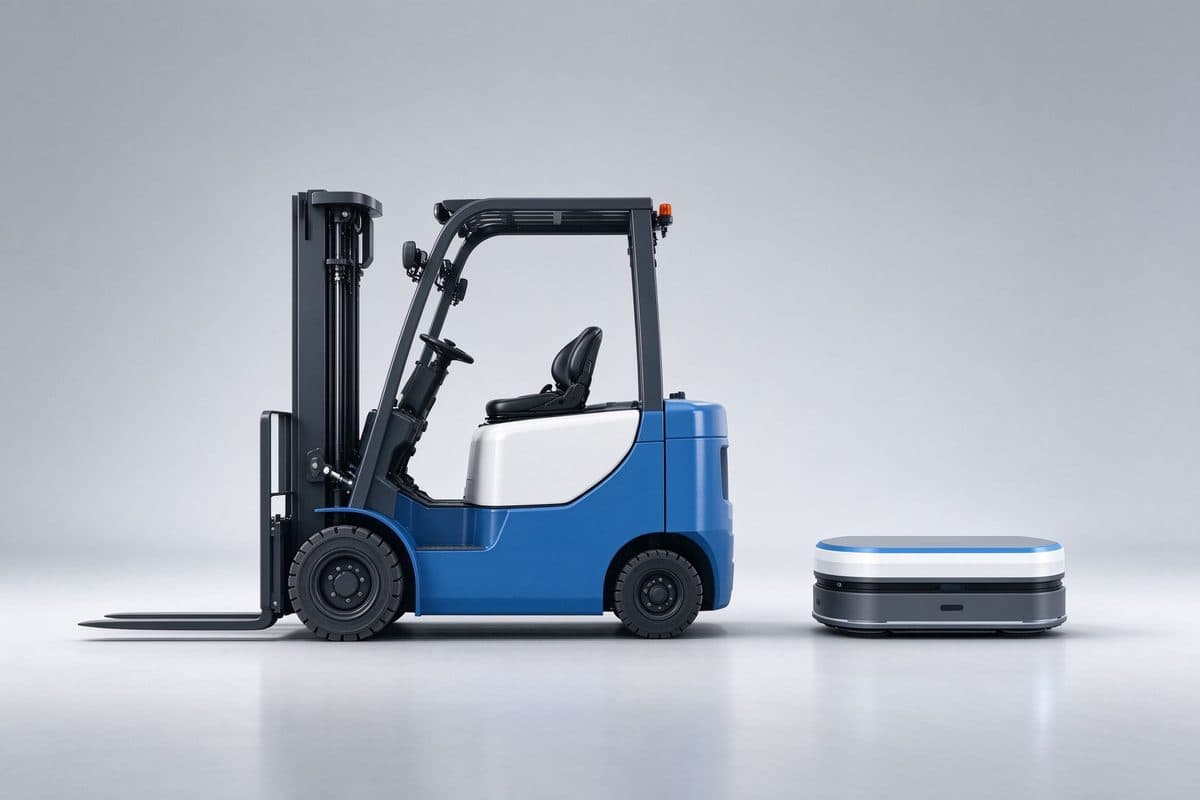
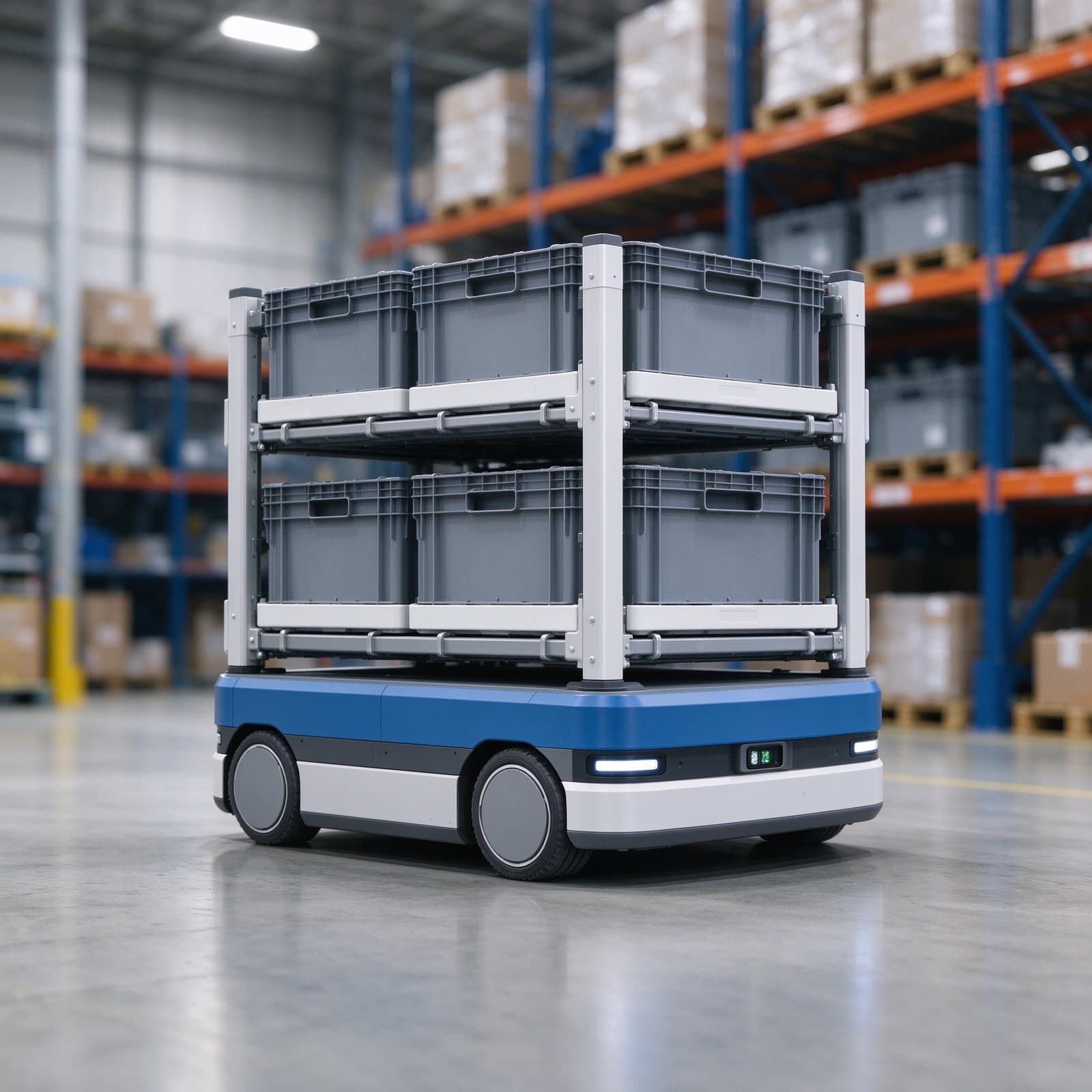
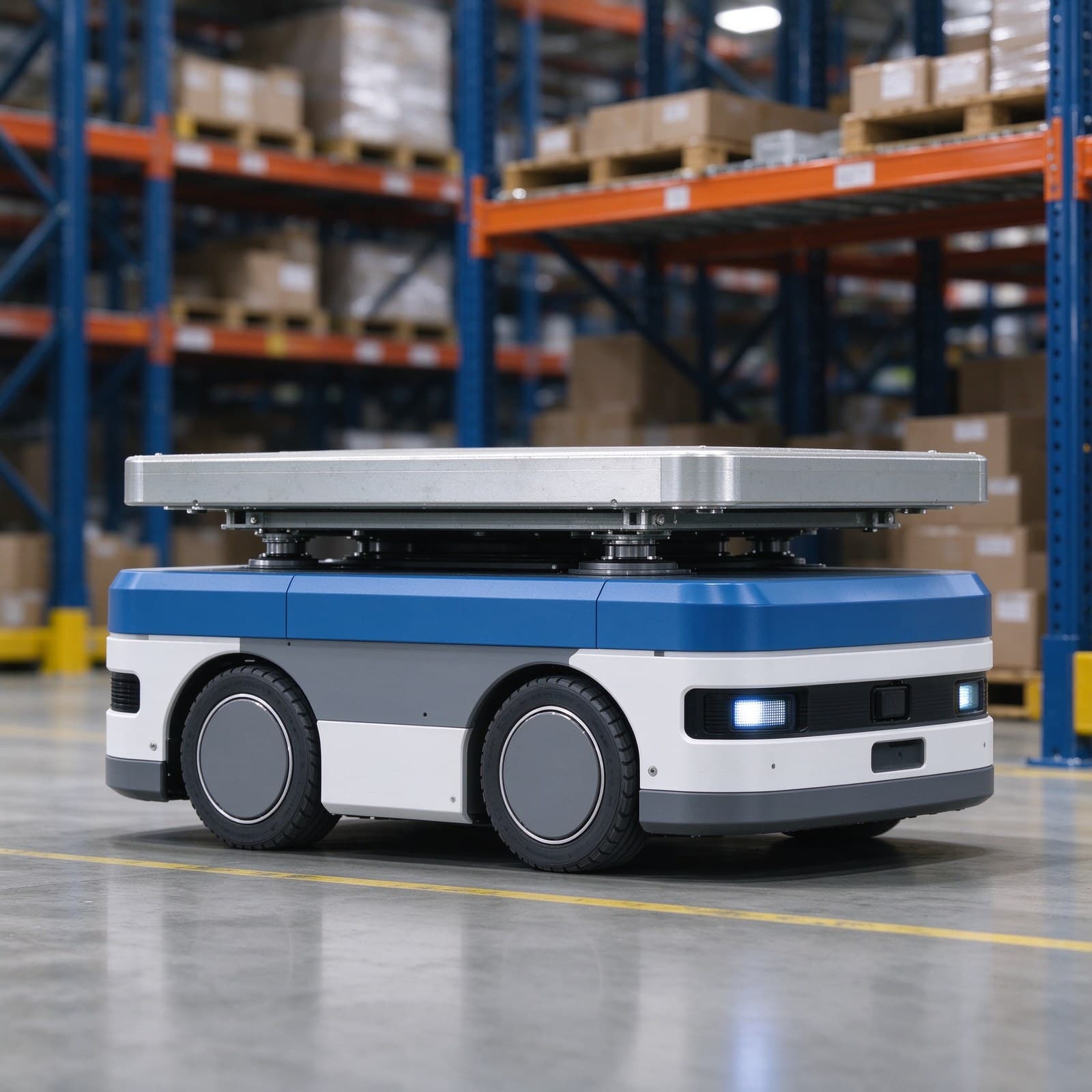
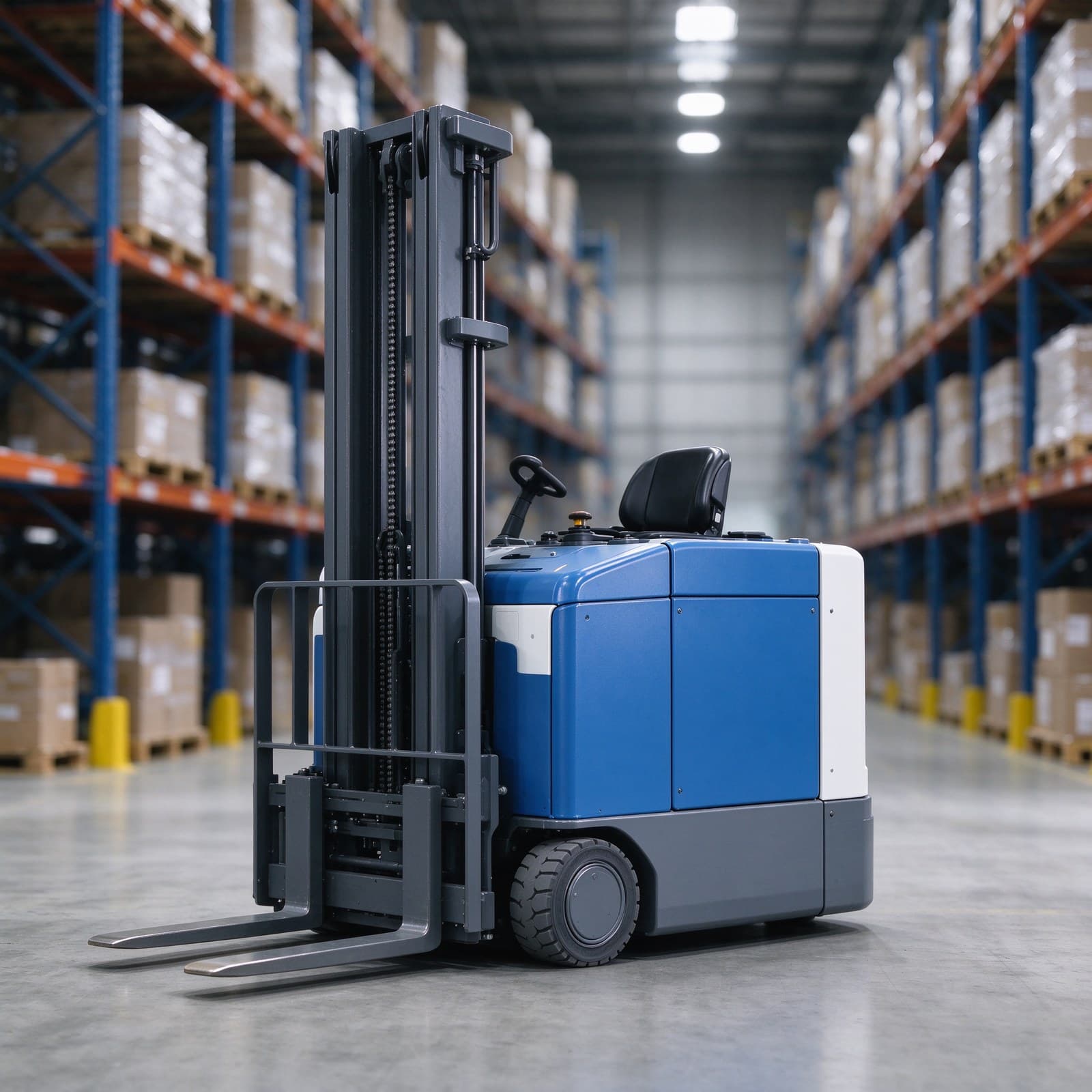
If you are sourcing automated material handling equipment for your plant, you have probably asked yourself: can you customize an AGV according to your requirements? The short answer is yes. In fact, customization has become the industry standard, because virtually no two factories share identical layouts, workflows, or load profiles. A reliable AGV supplier should treat your unique operating environment not as a constraint, but as the starting point of the design.
Customization capability is now one of the most important criteria when evaluating AGV manufacturers, as virtually all mature manufacturing plants require a certain degree of tailored adaptation.
Why Custom AGV Design Matters in Real Plants
Standard, off-the-shelf AGVs work well in textbook environments, but real factories are rarely textbook. Your pallet dimensions, floor condition, traffic density, charging infrastructure, and interface with existing WMS or MES software all influence whether an AGV can deliver reliable performance.
Without customization, organizations often end up reshaping their operations around generic equipment, which leads to inefficient layouts, costly facility modifications, or disappointing return on investment.
What Can Be Customized on an AGV?
A properly engineered customized AGV solutions project typically covers four core areas:
1. Chassis and mechanical structure. Dimensions can be adjusted to your pallet size or vessel shape. Wheelbase, steering type (differential or omnidirectional), and wheel material (polyurethane, rubber, or steel) are configurable. For example, a food processing plant may require a stainless steel chassis for washdown compatibility, while an automotive plant may need a heavy-duty steel frame rated for 2-ton loads.
2. Navigation technology. Magnetic tape, QR code, laser SLAM, and vision-based navigation can be matched to your floor quality, traffic complexity, and budget. Magnetic navigation suits simple point-to-point routes on intact floors; laser SLAM works well in dynamic environments with frequent layout changes. Software parameters and route maps can be remotely deployed, meaning you can often adjust behavior without hardware modification.
3. Payload and lifting mechanism. Custom-built AGVs range from 500 kg to over 5 tons of capacity, with roller-top, forklift-style, or lifting-platform modules. Automotive suppliers commonly order platforms capable of carrying engine blocks or transmission units, while electronics factories prefer lighter, precision-positioning units.
4. Control system and fleet management. Custom AGV design includes configuring how vehicles communicate with factory doors, elevators, production lines, and ERP/WMS/MES systems. Fleet management software can be tailored to handle specific traffic rules, priority scheduling, or multi-vendor fleet coordination.
Key Advantages of Customized AGVs
Customization is not about vanity features; it directly drives return on investment. When an AGV is engineered around your actual load, route, and integration needs, you achieve smoother traffic flow, fewer stoppages caused by mismatched equipment, and lower long-term retrofit costs.
A common misconception among buyers is that customized AGVs are always significantly more expensive than standard models. While there is a higher initial investment in engineering and adaptation, customization often leads to a faster and more substantial return on investment by reducing the need for expensive facility modifications, eliminating inefficient layouts, and minimizing operational stoppages caused by mismatched equipment.
Another advantage is scalability. Customized AGVs from experienced manufacturers support modular upgrades. As your throughput increases, you can add vehicles, expand route maps, or upgrade software without replacing the entire fleet.
How to Choose the Right AGV Manufacturer
Not every supplier offering customized AGV solutions truly has the engineering depth to deliver. When evaluating potential partners, look for the following:
- Industry experience: Request case studies in your specific sector, such as automotive, electronics, or food logistics.
- Integration track record: Ask for evidence of successful ERP, WMS, or MES docking. A supplier who cannot demonstrate software integration is a liability.
- After-sales support: Global deployment requires reliable remote diagnosis, local spare parts availability, and technical training. Ensure the manufacturer provides an SLA covering response time and on-site support.
Procurement Advice: To ensure your customized AGVs meet expectations, start by creating a detailed requirements document that specifies your operational workflows, pallet types, navigation preferences, and system integration needs. When evaluating suppliers, always request a site assessment, performance benchmark documents, and verified customer references. Lastly, secure a comprehensive after-sales service agreement that guarantees local technical support and quick response times, which is crucial for minimizing downtime in global operations.
Case Examples
- Automotive parts plant: A 2-ton heavy-duty AGV with laser SLAM navigation moved engine blocks between machining cells, eliminating six manual forklift shifts.
- Electronics cleanroom: Custom-built AGVs with stainless steel bodies and low-particle emissions operated in an ISO Class 7 environment.
- Food and beverage warehouse: Cold-storage-rated units with magnetic navigation maintained consistent performance in a -18°C warehouse.
FAQ
Q1: Are customized AGVs more expensive than standard models?
A: Yes, engineering and tooling costs are higher. However, many suppliers offset this through modular designs, meaning overall ROI often improves because customized AGVs require fewer facility modifications.
Q2: What is the lead time for custom-built AGVs?
A: Typically 8 to 16 weeks, depending on complexity, fleet size, and integration requirements.
Q3: Can customization affect AGV safety certifications?
A: No. Reputable manufacturers re-certify each customized vehicle to meet ISO 3691-4 and EN 1525 safety standards, so you retain full compliance.
Final Thoughts
To conclude, customization is not a luxury; it is the only way to ensure your automated material handling investment performs as intended. From customized AGV solutions to scalable custom-built AGVs, selecting the right manufacturer will determine whether your project succeeds or stalls. Custom AGV design is about engineering to your workflow, not adapting your workflow to the equipment. If you are looking for a reliable AGV supplier from China, feel free to contact us for a customized solution.