

If you are evaluating an AGV car for industrial use, you are likely asking three questions: Where exactly does it fit into my plant or warehouse? How quickly can it pay for itself? And how do I choose the right one without overpaying or buying the wrong automation?
This guide answers those questions in plain language. We cover how industrial AGV cars work, the most common types on the market, clear ROI and operational benefits, a practical step-by-step selection checklist, real deployment examples, and the mistakes that most buyers make.
Whether you are a factory procurement manager, a warehouse operations director, or an automation engineer, you will walk away with a clear picture of what an industrial AGV car can deliver—and exactly what to specify before you request a quote.
How an AGV Car for Industrial Use Works
At its core, an AGV car for industrial use is a self-guided vehicle that transports goods without a human driver. It follows predefined routes or dynamically plans paths using sensors, cameras, and LiDAR. Modern systems integrate with factory MES or WMS software, so an order release automatically triggers a mission—the AGV picks up a pallet, moves it through staging, and delivers it to the line or shipping area.
Key technical building blocks include:
- Navigation: Magnetic tape, QR codes, wire-guided, reflectors, or laser SLAM. For dynamic environments, SLAM-based AGV cars for warehouse automation are gaining ground because they adapt to layout changes without track modifications.
- Safety: 360° obstacle detection with laser scanners, bumper sensors, emergency stop buttons, audio/light alerts, and safety PLCs that comply with ISO 3691-4.
- Communication: Wi‑Fi or 5G links to a fleet manager that handles traffic control, charging scheduling, and mission allocation.
Types of AGV Cars for Industrial Use
Industrial AGVs come in different form factors. The right choice depends on your load type, footprint, and throughput.
-
Pallet-moving AGVs
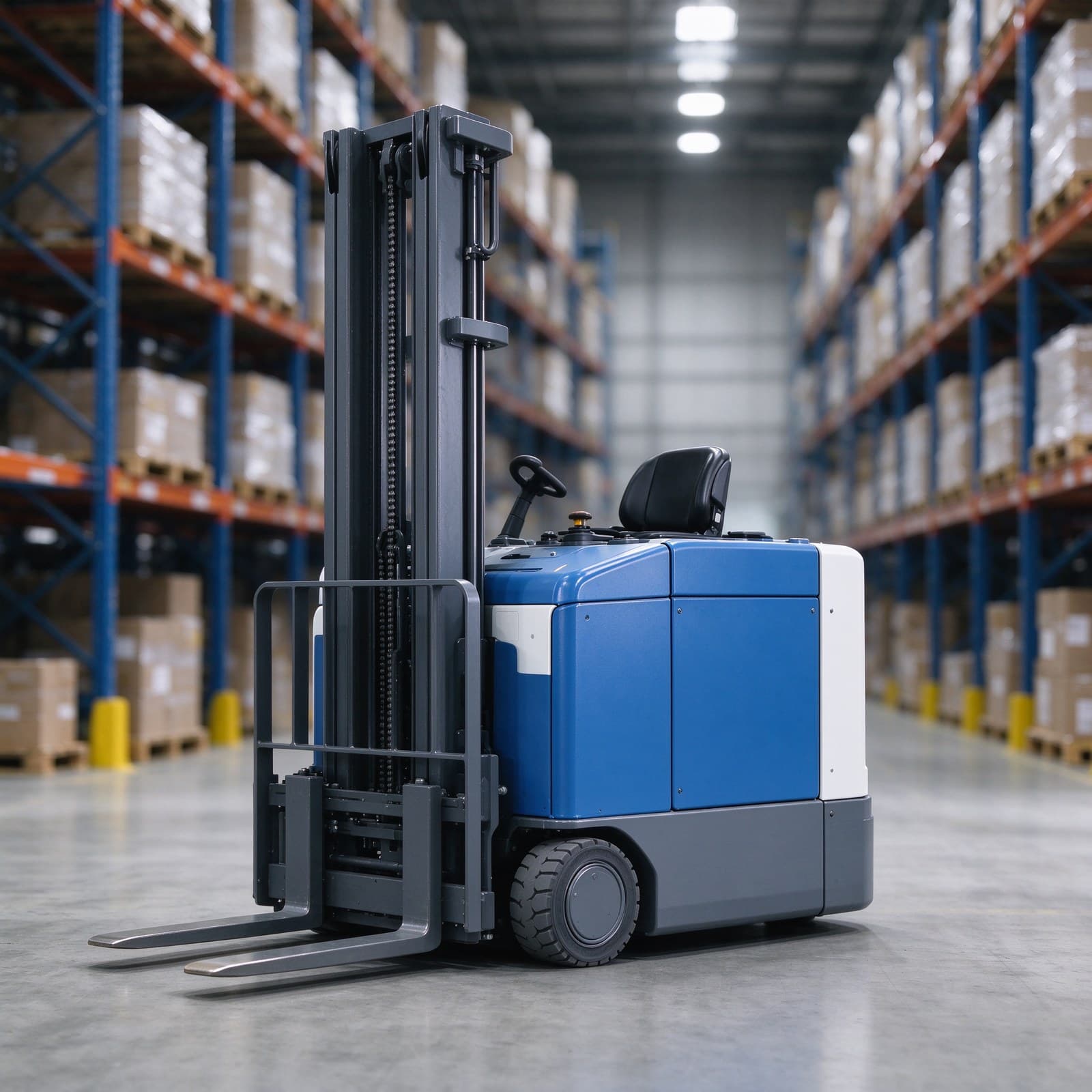
Forklift-style AGVs lift and transport pallets. They are the backbone of AGVs for industrial material handling, especially in plants with standardized pallet flow. -
Autonomous mobile robots (AMRs)
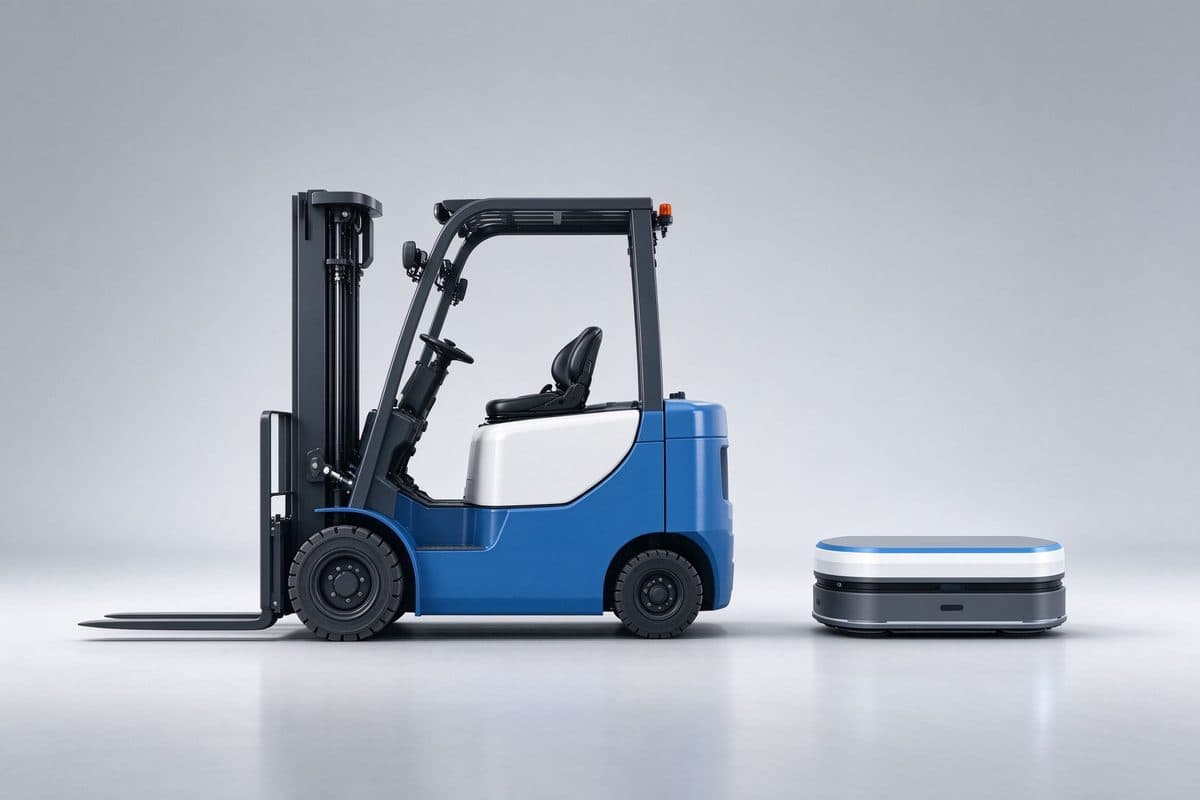
AMRs are ideal for dynamic spaces where routes change frequently. They offer flexible AGV solutions for factories that run high-mix, low-volume production and cannot afford rigid lanes. -
Heavy-duty AGV platforms
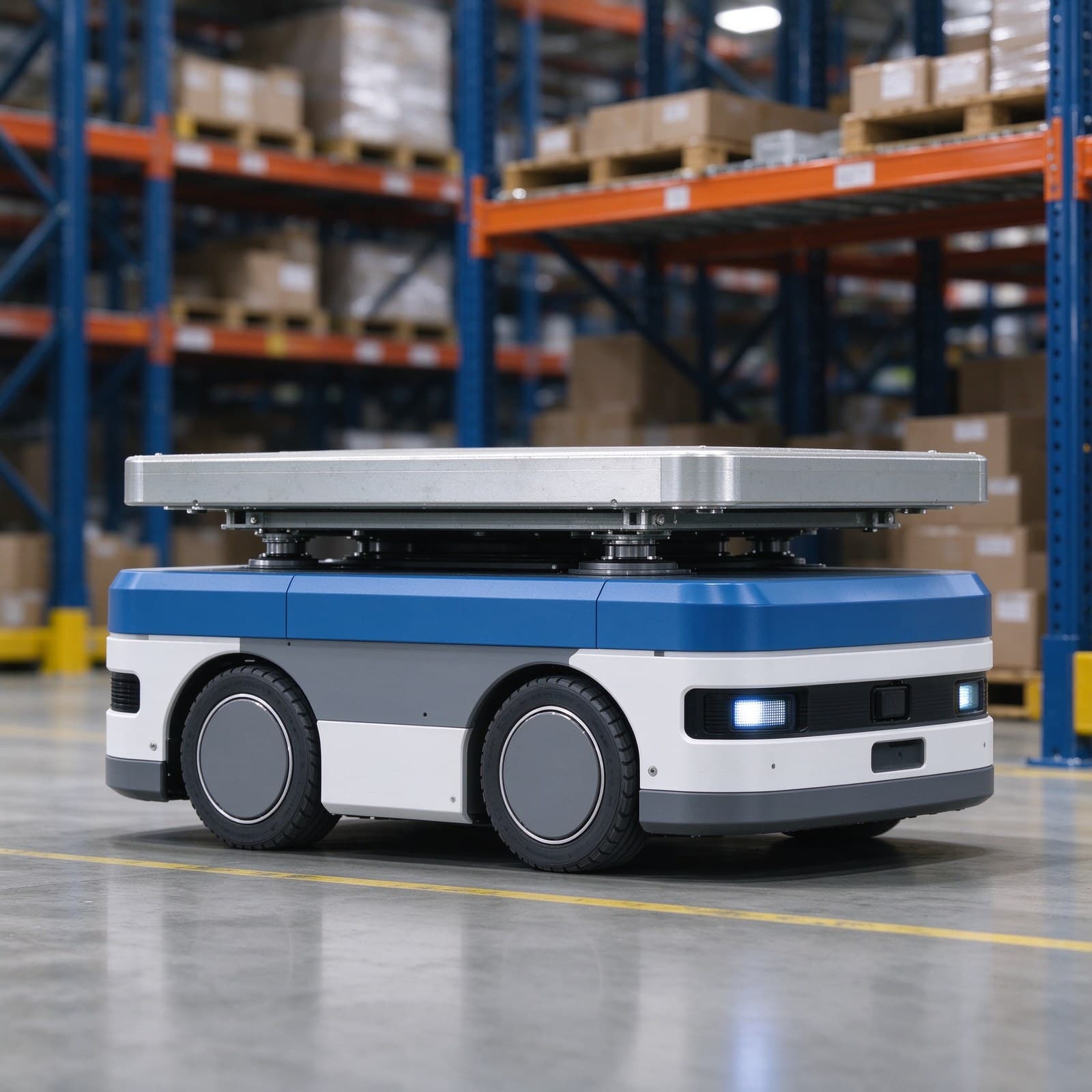
Designed for 1–5 ton loads, these floor-mounted AGVs for manufacturing carry dies, coils, or large subassemblies between shops. They are engineered for precision positioning and often include Vision AI for alignment. -
Light-load AGV cars
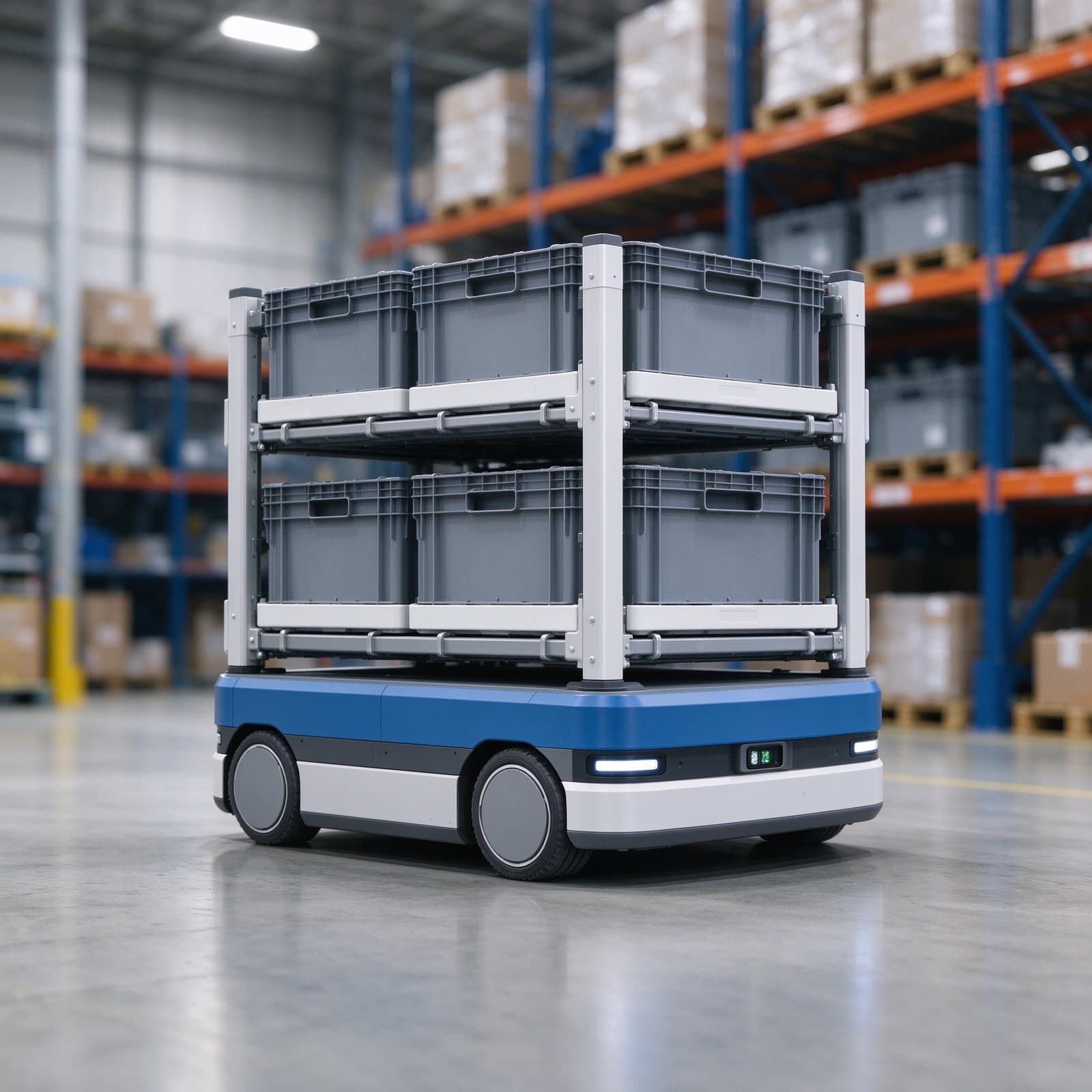
Compact units handle totes, carts, or light racks—perfect for electronics assembly, cleanrooms, or medical device plants that need quiet, precise point-to-point moves.
Common integrations include roller-top modules, lifting platforms, side-shifters, and custom fixtures. The best industrial AGV suppliers will show live demo videos of your exact use case.
Why Plants Choose an AGV Car for Industrial Use
The shift from manual forklifts to AGV systems is driven by measurable gains:
- Lower labor costs: One AGV can replace 2–3 shifts for repetitive point-to-point moves. In labor-scarce regions, this is often the primary trigger.
- Higher throughput: AGVs run 24/7 with short recharge pauses. No breaks, no turnover, no fatigue.
- Reduced damage: With precise positioning and collision avoidance, damage rates typically drop by 40–60%, directly cutting maintenance and replacement costs.
- Real-time visibility: Every mission is logged. OPS managers get dashboards on cycle time, fleet utilization, and bottleneck analysis—data that was invisible before.
- Safety compliance: Modern safety functions meet ISO 3691‑4 and ANSI/RIA R15.08. Fewer manual movements mean fewer incidents.
ROI is usually achieved in 12–18 months for simple point-to-point transport, and within 24 months for more complex, multi-stop routes.
A Practical Selection Checklist for Buyers
If you are sourcing an AGV car for industrial use, start with a clear picture of your operations. Use this checklist to narrow down the right solution—and avoid the common trap of buying automation that doesn’t fit your reality.
-
Map your tasks and loads
What exactly moves? Pallets, carts, totes, or heavy molds? What is the weight, size, and how high must it lift? A pallet-moving AGV car for industrial use demands different mechanics than a light-load AMR carrying totes. -
Evaluate your environment
Are floors flat and clean? Do you have narrow aisles, tight corners, or mixed traffic with forklifts and workers? Rough floors or outdoor transitions call for larger drive wheels and heavier-duty suspension. -
Check navigation reliability
Magnetic tape is simple and cheap but rigid. Laser SLAM offers flexibility but requires good lighting and reflective surfaces. If you change layouts often, prioritize AGVs for warehouse automation that can remap without halting operations. -
Measure integration effort
Will your WMS or MES trigger missions automatically, or will operators dispatch via a tablet? Verify API documentation, IT support, and whether the AGV supplier provides a dedicated integration engineer. -
Demand safety certifications
Ask for ISO 3691-4 compliance, type‑3 safety laser scanners, and third‑party testing. For export markets, CE and NRTL (UL) marks are often mandatory. -
Pilot before scaling
Start with one or two AGV cars on a single repeatable route. Measure uptime, error rates, and operator acceptance. Scale only after the pilot proves value.
A checklist like this prevents the top two buyer mistakes: buying automation that can’t handle real-world exceptions and underestimating the IT integration work.
Real-World Applications and Proven Results
Industrial AGVs have moved well beyond simple point-to-point transport. Here is what deployments across multiple sectors look like today.
-
Automotive and Tier‑1 suppliers
In a transmission plant, AGVs for automotive manufacturing deliver gearbox housings from machining to assembly with a 1.5‑meter lateral tolerance. That precision eliminates rework and keeps just‑in‑time delivery on schedule. Loads often exceed 2 tons, requiring heavy-duty floor-mounted AGVs for manufacturing with redundant safety scanners. -
Food and beverage warehouses
AGVs for cold storage environments operate reliably at −20°C, moving pallets from receiving to picker stations. With anti-condensation heating on critical sensors, uptime reaches 98%. The result: fewer forklifts in tight aisles, lower energy costs from fewer door openings, and safer operations. -
Electronics and cleanroom areas
Light-load AGV cars with ISO Class 5 certification transport racks through static‑sensitive areas. By eliminating manual cart pushes, ESD incidents drop significantly. The quiet operation also helps maintain cleanroom noise standards. -
E‑commerce fulfillment
Autonomous mobile robots for factories feeding compactors and sorters manage thousands of missions per shift. Fleet sizes scale from 10 to over 100 units, managed by cloud‑based software that optimizes traffic and charge cycles in real time.
Common Questions from Procurement Teams
-
How much does an industrial AGV car cost?
Pricing varies widely based on payload, navigation type, and software integration. For a standard pallet‑moving unit, expect a range of $15,000–$50,000. Heavy‑duty and custom‑engineered AGVs for warehouse automation can reach $100,000 or more. ROI often lands in 12–18 months. -
What’s the difference between AGV and AMR?
An AGV follows predefined tracks or maps with limited adaptability. An AMR uses onboard intelligence to plan routes dynamically, avoiding obstacles without remapping. For highly dynamic environments, AMRs offer more flexibility. -
Can AGVs work with my existing WMS/MES?
Most modern industrial AGV suppliers provide open APIs for seamless integration. Confirm that your IT team can handle the interface, or negotiate an integration package. Data exchange usually runs over MQTT or REST, and demo environments help validate before deployment. -
How long does installation take?
Simple magnetic tape AGVs can be installed in 2–4 weeks. Complex laser SLAM or fleet‑managed projects typically take 6–12 weeks, including safety validation, operator training, and process mapping.
The bottom line is clear. An AGV car for industrial use is no longer a futuristic experiment. It is a mature, measurable solution that cuts labor costs, boosts throughput, and gives you real‑time control over your material flow. If you are looking for a reliable AGV supplier from China, feel free to contact us for a customized solution and a live demo. We will analyze your floor plan, traffic patterns, and integration goals to recommend the most cost‑effective AGVs for industrial material handling.