

What Is an Automated Guided Vehicle for Industrial Use?
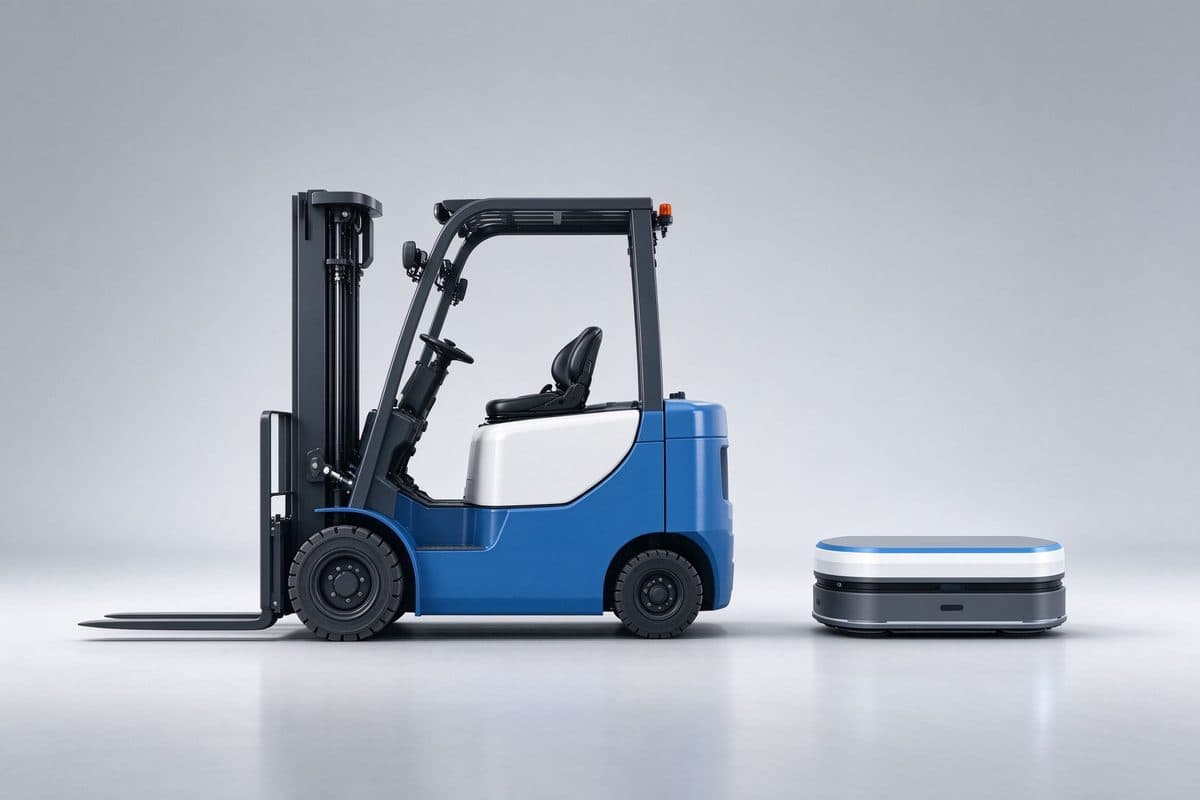
An automated guided vehicle for industrial use—commonly known as an AGV—is a mobile robot that transports materials, parts, and products autonomously across factory floors and warehouses. For plant managers and logistics teams, these systems replace manual forklifts and manual material handling to optimize throughput, improve workplace safety, and reduce labor costs. Whether you are upgrading a traditional manufacturing facility or building a smart factory, understanding how industrial AGVs work is the first step toward successful automation.
How Industrial AGVs Work: Core Technologies
At its core, an industrial automated guided vehicle relies on a combination of sensors, navigation software, and motor controls to move safely through a facility. Traditional AGVs often use magnetic tapes, wires, or RFID tags embedded in the floor. However, modern industrial material handling AGVs increasingly use laser SLAM (Simultaneous Localization and Mapping), vision-based navigation, or natural feature navigation. These advanced methods allow the robot to map its environment dynamically, avoiding obstacles without requiring costly floor modifications. Most industrial AGVs also integrate with factory MES (Manufacturing Execution Systems) or WMS (Warehouse Management Systems) via APIs to trigger pickups, deliveries, and charging cycles automatically.
Types of Industrial AGVs: Choosing the Right System
There is no one-size-fits-all solution when it comes to industrial mobile robots. The most common types include:
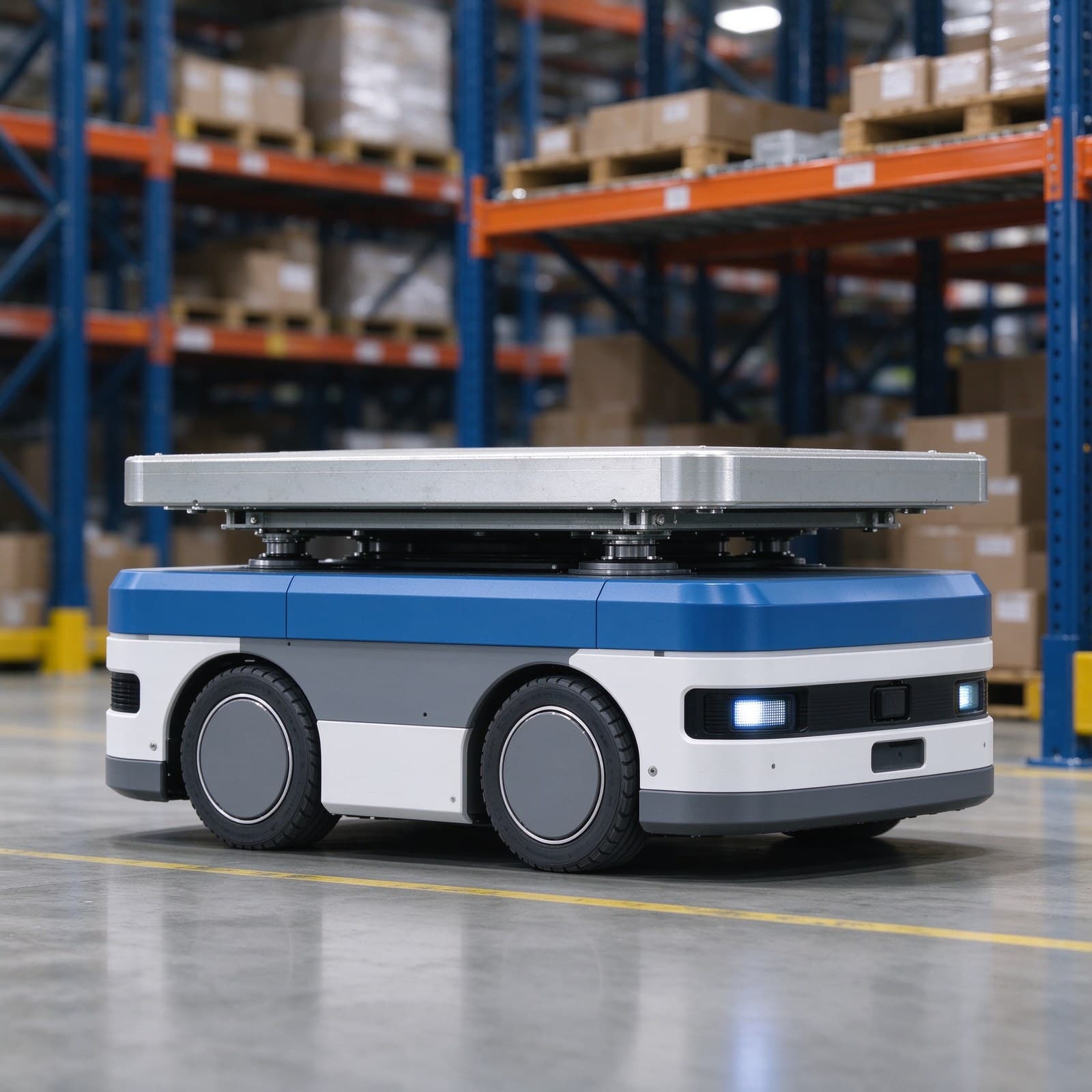
- Pallet-moving AGVs: Designed to transport pallets of raw materials or finished goods between production lines and storage areas.
- Tow-tractor AGVs: Ideal for moving multiple carts or trailers in sequenced workflows, such as automotive or electronics assembly.
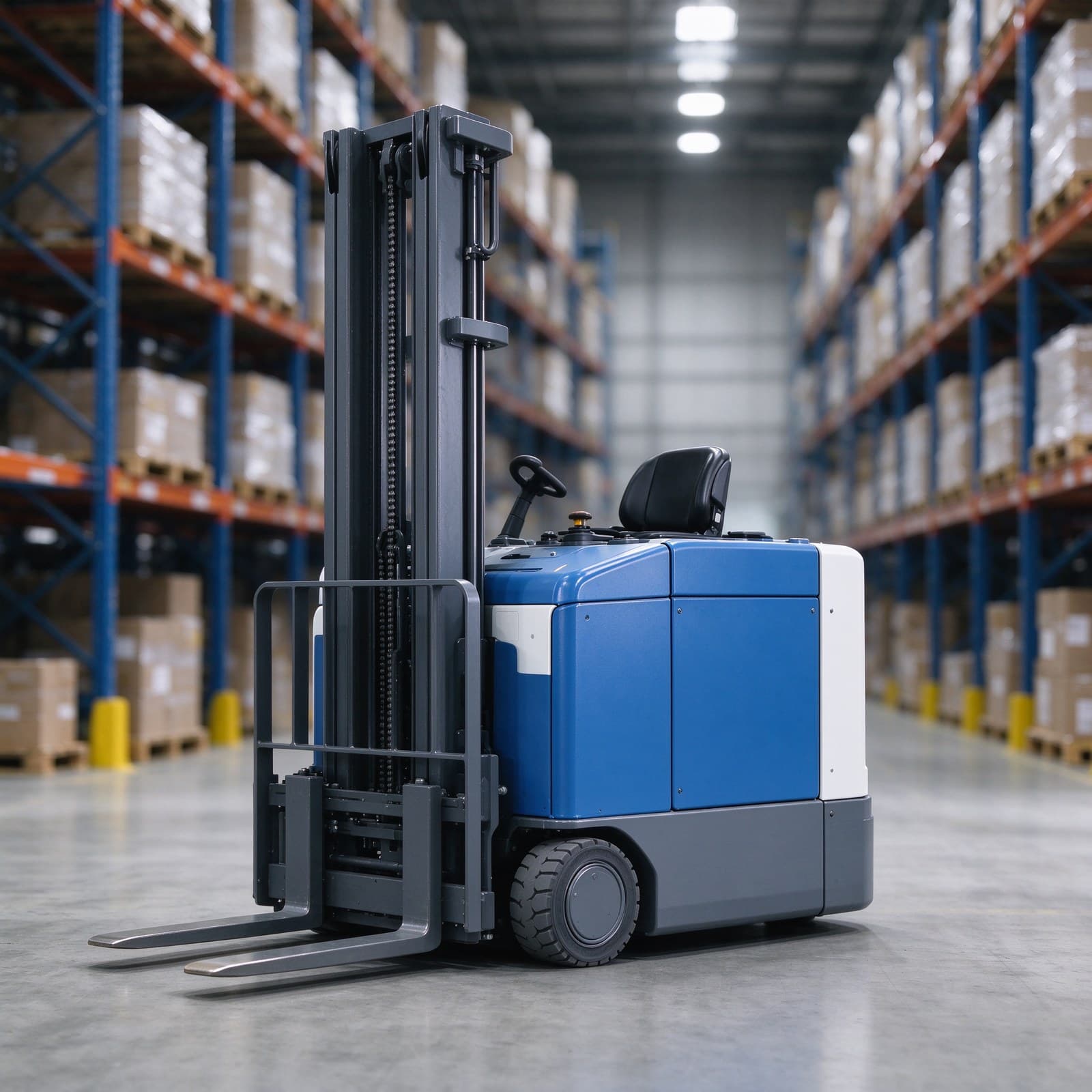
- Forklift AGVs: Equipped with lifting mechanisms to stack and retrieve goods from racks, offering a direct alternative to manual forklift operations.
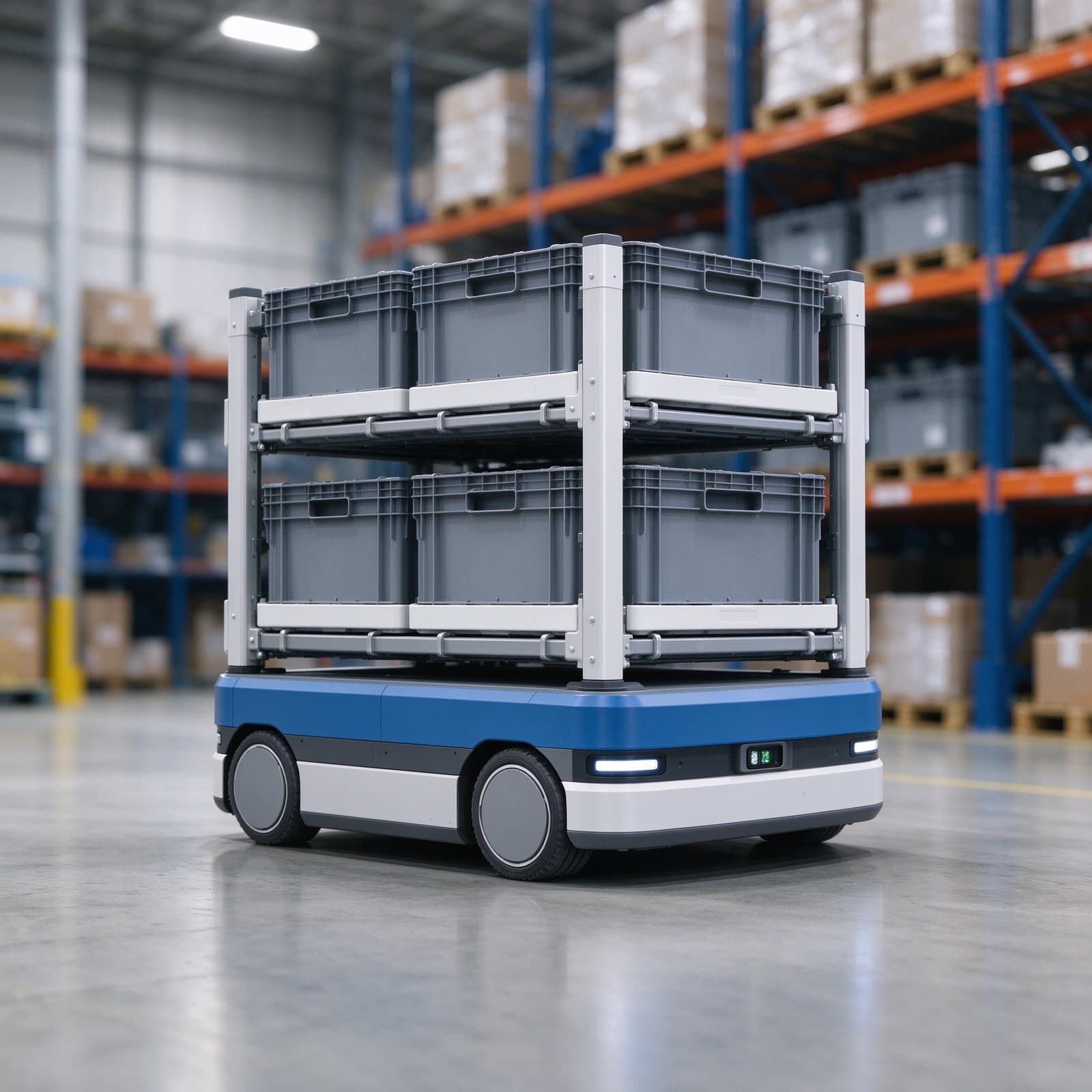
- Light-load AGVs: Built for small part logistics, often used in cleanrooms or electronic component manufacturing.
Each type serves a specific purpose. For instance, if your goal is to automate heavy-duty pallet movement, you need an industrial pallet moving automated guided vehicle designed for high load capacities. If you are focused on flexible manufacturing, a SLAM-based unitary AGV might be a better fit.
Key Benefits of Implementing an Industrial AGV
Investing in industrial AGV solutions for manufacturing plants delivers measurable ROI. First, these systems operate 24/7, eliminating downtime associated with shift changes and operator fatigue. Second, they drastically reduce the risk of accidents caused by human error, improving overall workplace safety. Third, AGVs for warehouse logistics ensure precise inventory placement and retrieval, cutting picking errors by up to 99%. Additionally, data collected from AGV fleets provides real-time visibility into material flow, helping logistics managers optimize layout and throughput. Many factories report a return on investment within 12 to 18 months after deployment.
Practical Applications in Manufacturing and Warehousing
Industrial AGV systems are highly versatile and already widely adopted across multiple sectors. In automotive plants, heavy-duty automated guided vehicles transport engine blocks and chassis along assembly lines. In electronics manufacturing, cleanroom AGVs deliver delicate components without introducing contamination. Food and beverage factories use hygienic, washdown-rated AGVs to move ingredients and finished packaging. Meanwhile, distribution centers leverage industrial automated guided vehicle fleets for replenishment, cross-docking, and order fulfillment, seamlessly integrating with conveyors and robotic arms.
A Practical Buyer's Guide for Industrial AGVs
Selecting the right industrial AGV system requires evaluating more than just price. Start by analyzing your facility's layout, traffic patterns, and load profiles. Consider the following factors:
- Load capacity: Match the AGV's rating to your heaviest typical payload, with a 20% safety margin.
- Navigation method: If you need rapid deployment and flexibility, prioritize SLAM-based AGVs. If budget is a constraint and layout rarely changes, magnetic or RFID navigation may be cost-effective.
- Software integration: Ensure the AGV fleet management software can interface with your existing ERP, MES, or WMS to avoid data silos.
- Safety standards: Look for compliance with ISO 3691-4 and CE marking, which validate the safety integrity of driverless industrial trucks.
- Maintenance and support: Verify whether the supplier offers local technical support, spare parts availability, and remote diagnostics.
An experienced automated guided vehicle supplier will conduct a site survey and simulation before recommending a solution, which prevents costly post-installation surprises.
Final Thoughts
An automated guided vehicle for industrial use is no longer a futuristic concept; it is a proven way to cut operating costs, boost throughput, and build a scalable smart factory. Whether you are automating a single production line or transforming an entire warehouse, the right industrial AGV can deliver years of reliable, safe, and efficient material handling. If you are looking for a reliable AGV supplier from China, feel free to contact us for a customized solution tailored to your facility's specific needs.