

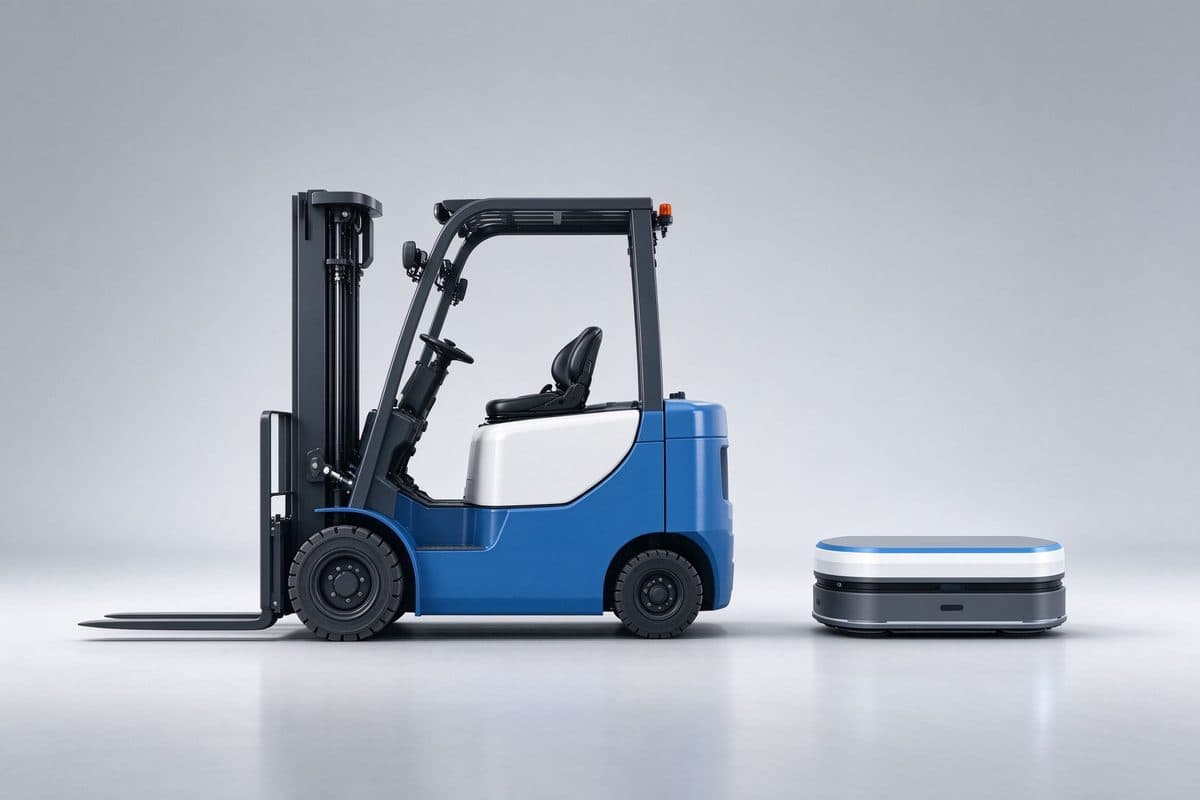
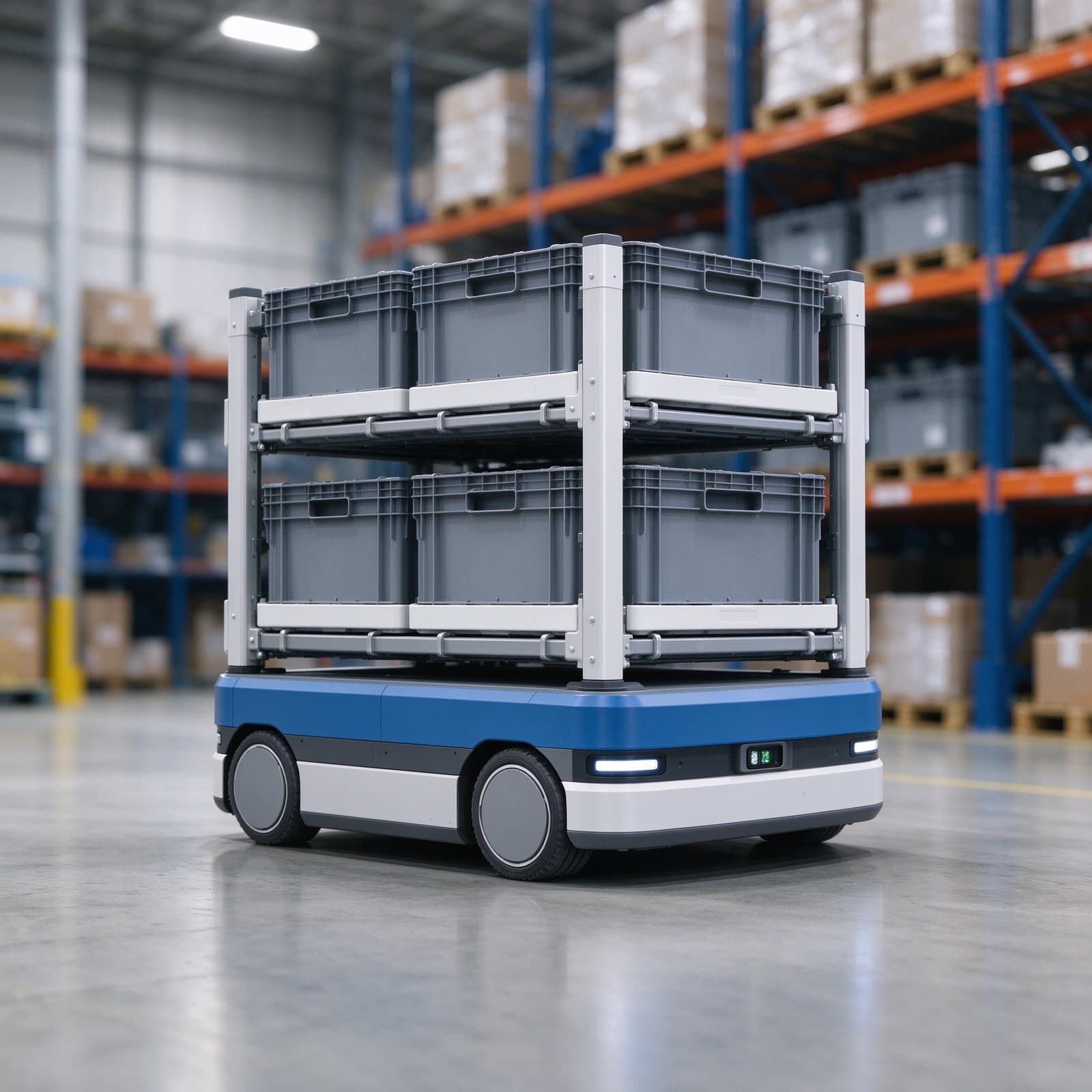

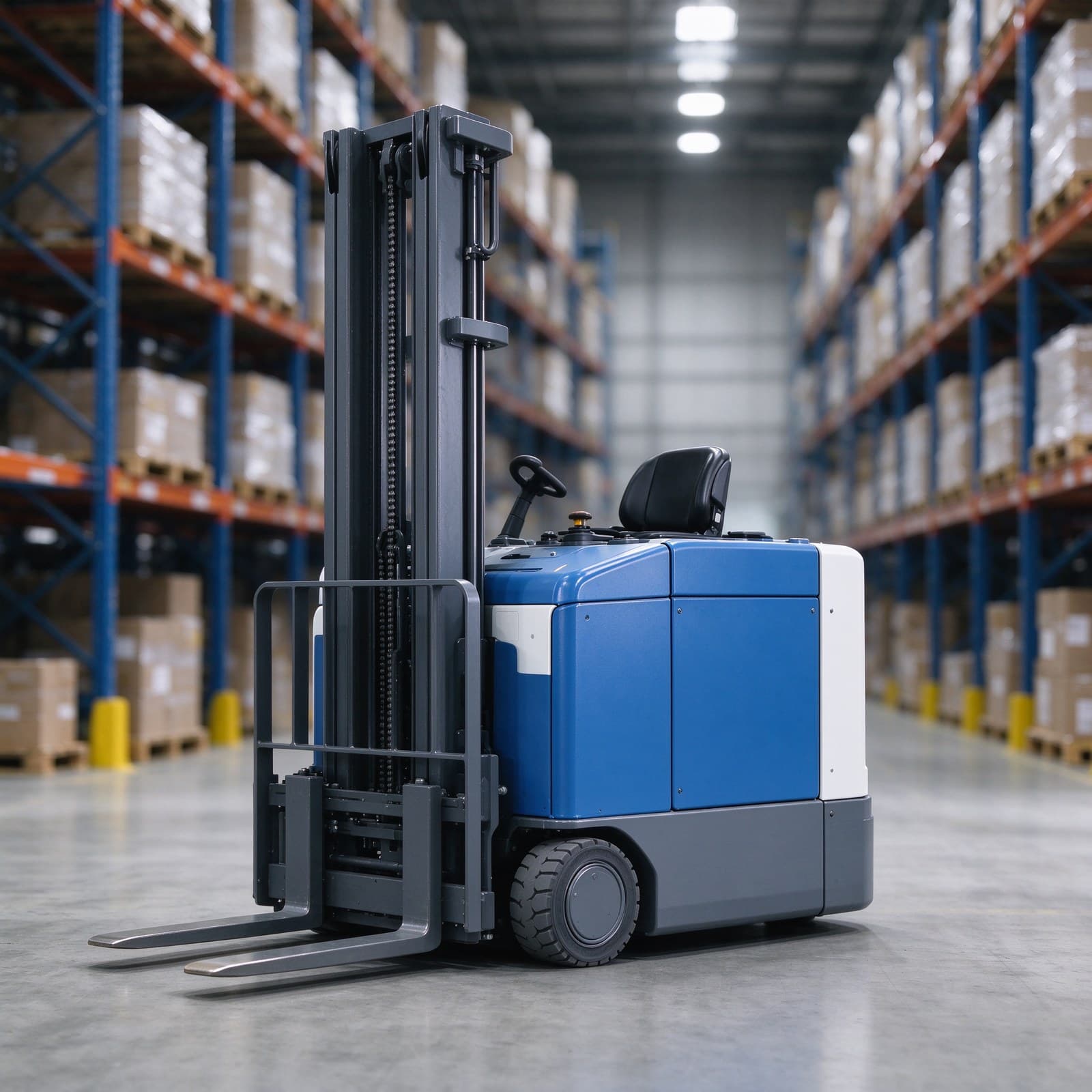
When investing in automated guided vehicles (AGVs) for your factory, the shipping journey from the manufacturer to your facility is just as critical as the AGV's performance on your production line. AGV export packing wooden case solutions ensure that sensitive navigation sensors, motors, and control systems arrive intact, regardless of the distance traveled or the handling conditions at ports and customs. For overseas factory buyers, logistics managers, and automation engineers, understanding how wooden case packaging protects this valuable automation equipment is essential before finalizing an order.
Why Wooden Cases Are the Preferred Export Packaging for AGVs
Wooden cases, typically constructed from plywood or solid wood frames with padding, have long been the industry standard for exporting heavy industrial equipment. AGVs carry precision components—LiDAR scanners, PLC controllers, servo drives, and battery systems—that are vulnerable to vibration, shock, and moisture during transit. Unlike standard cartons, a properly engineered wooden export case provides rigid structural support that absorbs impacts from stacking, crane handling, and rough port conditions. For automated guided vehicle export shipments, wooden cases also comply with ISPM 15 standards, which require heat treatment or fumigation to prevent the spread of invasive pests across borders. This compliance is non-negotiable for AGV shipments entering the US, Europe, Australia, and most other major markets.
Key Factors in Designing AGV Wooden Export Cases
Not all wooden cases offer the same level of protection. When evaluating AGV export packing wooden case solutions from a supplier, pay attention to several design elements:
- Cushioning and shock absorption: High-density foam, EVA padding, or rubber mounts between the AGV frame and the wooden structure absorb vibration during trucking and ocean freight.
- Custom inner dimensions: The case should be tailored to the specific AGV model's dimensions, leaving just enough clearance for protective padding without excessive empty space that allows movement.
- Reinforced corners and beams: Heavy-duty metal corners and steel-reinforced edges prevent the wooden case from collapsing under the weight of multiple stacked units.
- Moisture barrier: Vapor barrier bags or desiccant packets inside the case protect sensitive electronics from humidity, especially during long sea voyages.
- Locking and securing hardware: Steel straps, bolts, or latch mechanisms keep the AGV firmly anchored within the case, preventing shifting if the container is jostled.
Benefits of Proper AGV Export Packaging
Choosing the right AGV export packing wooden case delivers measurable advantages beyond basic protection:
- Reduced transit damage: Properly packed AGVs arrive with zero mechanical or electrical issues, eliminating costly on-site repairs and project delays.
- Lower insurance premiums: Many freight insurers offer reduced rates when equipment is packed in certified wooden export cases, as the risk of damage is significantly lower.
- Faster customs clearance: ISPM 15-compliant wooden cases with proper IPPC stamps prevent delays at ports, where non-compliant packaging can trigger inspections and quarantine.
- Reduced packaging waste: Unlike single-use plastics or disposable crates, high-quality wooden cases can be reused for return shipments or internal plant transport.
- Enhanced brand perception: Buyers who receive AGVs in professional, durable packaging gain confidence in the supplier's attention to quality.
How to Select the Right AGV Packaging Solution
When sourcing AGV export packing wooden case services, follow these practical guidelines:
- Confirm ISPM 15 compliance: Ask for the IPPC stamp on the wooden case and verify the supplier uses certified heat-treated lumber.
- Request a packaging design drawing: A reputable supplier will provide a 3D mockup or technical drawing showing the AGV's positioning, padding thickness, and securing methods.
- Evaluate the supplier's export experience: Choose a partner familiar with shipping industrial automation equipment to your specific country's import requirements.
- Inspect sample packaging if possible: For high-value AGV orders, request a physical or photo inspection of a packed sample before mass production begins.
- Negotiate packaging costs separately: Some suppliers bundle packaging into the AGV price, but breaking it out helps you compare quotes and negotiate better terms.
Common Questions About AGV Export Packing
What is an AGV export packing wooden case?
An AGV export packing wooden case is a custom-built, ISPM 15-compliant wooden enclosure designed specifically to protect automated guided vehicles during international shipping. It combines plywood structure, shock-absorbing padding, and moisture barriers to ensure sensitive AGV components arrive safely.
Why is ISPM 15 compliance important for AGV export packaging?
ISPM 15 requires wooden packaging materials over 6mm thick to be heat-treated or fumigated and stamped with an IPPC mark. Without this compliance, AGV shipments can be rejected or destroyed at international borders, causing significant delays and financial losses.
Can I use alternative packaging instead of wooden cases for AGV export?
While plastic crates or custom foam molds can offer protection, wooden cases remain the most widely accepted and cost-effective solution for heavy industrial equipment like AGVs. They provide superior structural strength for heavy loads and are universally recognized by customs authorities worldwide.
Investing in proper AGV export packing wooden case solutions protects your automation investment from the factory floor to your facility's receiving dock. Whether you are sourcing a single AGV or a fleet of automated guided vehicles, the right packaging ensures your equipment arrives ready for immediate deployment. If you are looking for a reliable AGV supplier from China with proven export packaging expertise, feel free to contact us for a customized solution tailored to your destination and equipment specifications.