

When global manufacturing and logistics companies plan to upgrade their facilities, one of the most critical questions they face is: can you send engineer to install AGV overseas? Navigating the complexities of international automation deployment can be daunting. Buyers often worry about unexpected travel costs, technical barriers, and how to ensure smooth AGV deployment in foreign factories.
The short answer is a resounding yes. Reputable Chinese AGV manufacturers with overseas installation capabilities routinely dispatch highly trained technical teams across borders to handle complex logistics automation projects. By leveraging comprehensive AGV overseas project management, your facility can seamlessly transition to an automated operations model. This guide breaks down everything you need to know about overseas AGV on-site commissioning services, from initial setup to final acceptance, helping international buyers make confident, informed decisions.
The Overseas AGV Installation Process
Understanding the workflow of an AGV project is the first step toward a successful deployment. Before any engineer is dispatched, your facility must meet basic physical and digital infrastructure requirements. This includes preparing flat, level floors, ensuring clear traffic pathways, and setting up a robust Wi-Fi network to support fleet communication.
When conditions are met, the overseas installation typically follows a structured three-step approach:
- Pre-installation and Simulation: The project begins with a comprehensive review of your factory layout. Software engineers map the environment and create a digital twin simulation to optimize traffic flow, obstacle avoidance, and charging station placement before any physical hardware arrives.
- On-site Assembly: Once the AGV fleet arrives at your overseas facility, installation engineers oversee the mechanical assembly. They physically align the navigation tapes (for magnetic systems), set up docking stations, and install charging points.
- System Commissioning and Operator Training: This is where the AGVs are activated and mapped in the live environment. Engineers run multiple test cycles to refine route algorithms and ensure seamless integration with your existing Warehouse Management System (WMS) or Enterprise Resource Planning (ERP) software. Finally, they conduct hands-on training for your local operators to ensure your team is fully equipped to manage the new automated guided vehicles daily.
AGV Deployment in Foreign Factories
Cross-border logistics and automation bring unique challenges, but professional project managers are well-versed in overcoming them. When you partner with a factory that offers global AGV deployment, they handle the heavy lifting of international logistics, including customs clearance, sea freight, and conformity to local equipment standards.
Communication is another vital pillar of international AGV deployment. Top-tier suppliers ensure their control panels and operational software are available in native or international languages to prevent miscommunication. Furthermore, a reliable Chinese AGV manufacturer will provide clear engineering visa support and transparent travel logistics, ensuring your on-site commissioning services run without bureaucratic delays.
Beyond language, compliance with local safety and electrical standards is paramount. International buyers must ensure that the AGV system comes equipped with the necessary electrical components—such as CE, UL, or FM certified parts—depending on the specific regional requirements. This preparedness eliminates hidden compliance costs. Ultimately, a professional overseas deployment relies on transparent project management contracts that explicitly define engineering hours, visa timelines, and performance guarantees, so you know exactly what to expect.
Choosing the Right Type of AGV for Your Facility
Selecting the correct automated guided vehicle type is crucial for maximizing your return on investment. A reputable supplier offering on-site installation will assess your specific operational needs before recommending a system.
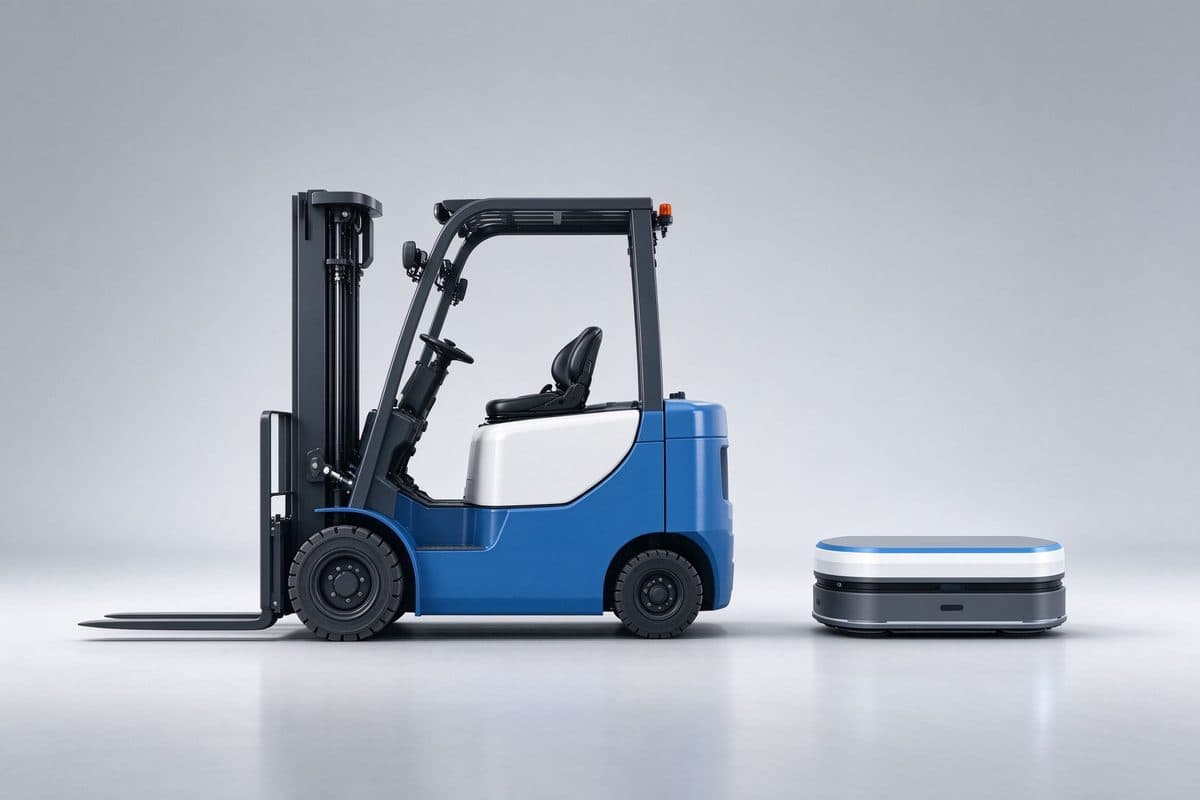
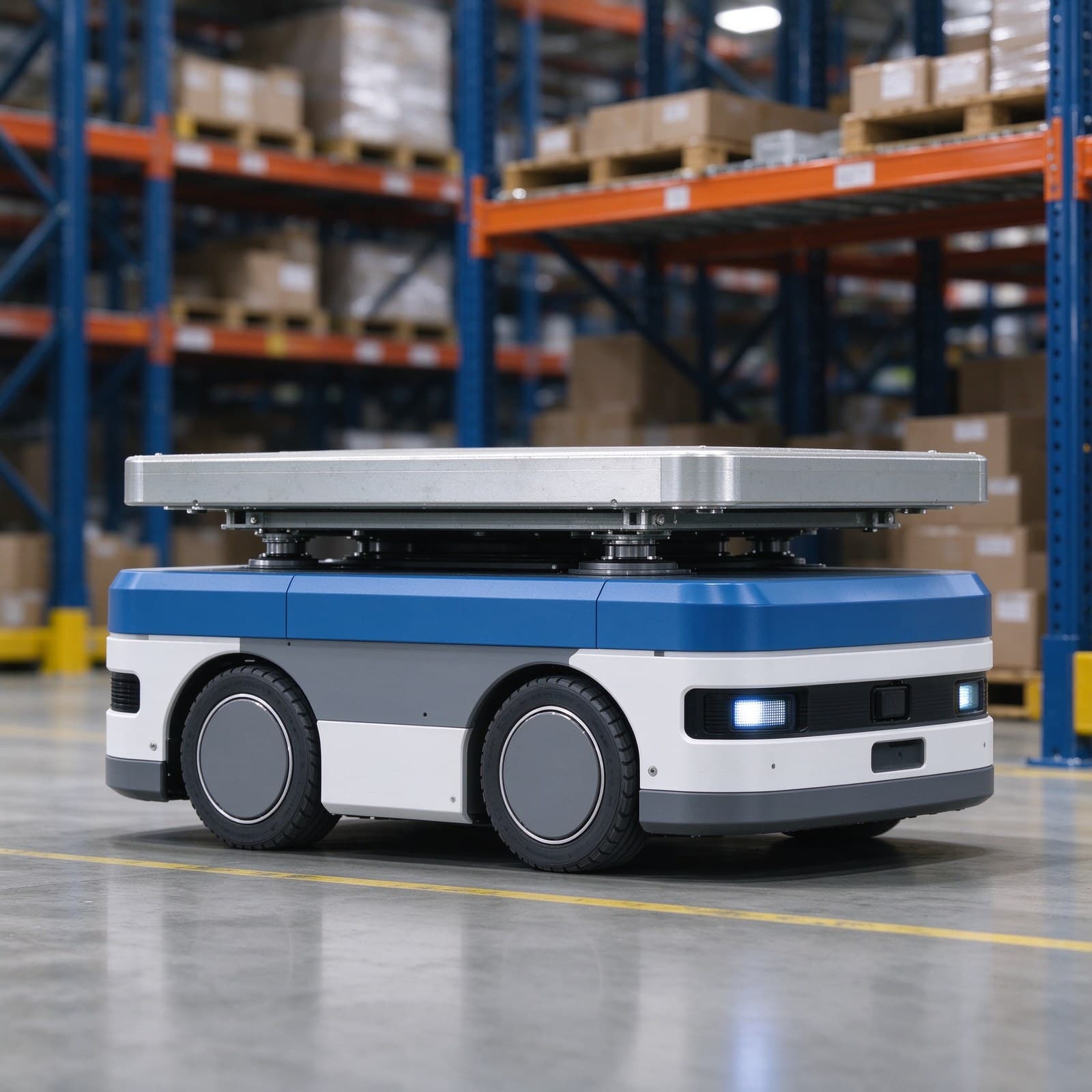
- Magnetic Navigation AGVs: These are highly reliable for fixed, repetitive routes in manufacturing plants. They follow magnetic tapes laid on the floor, making them ideal for linear transport tasks.
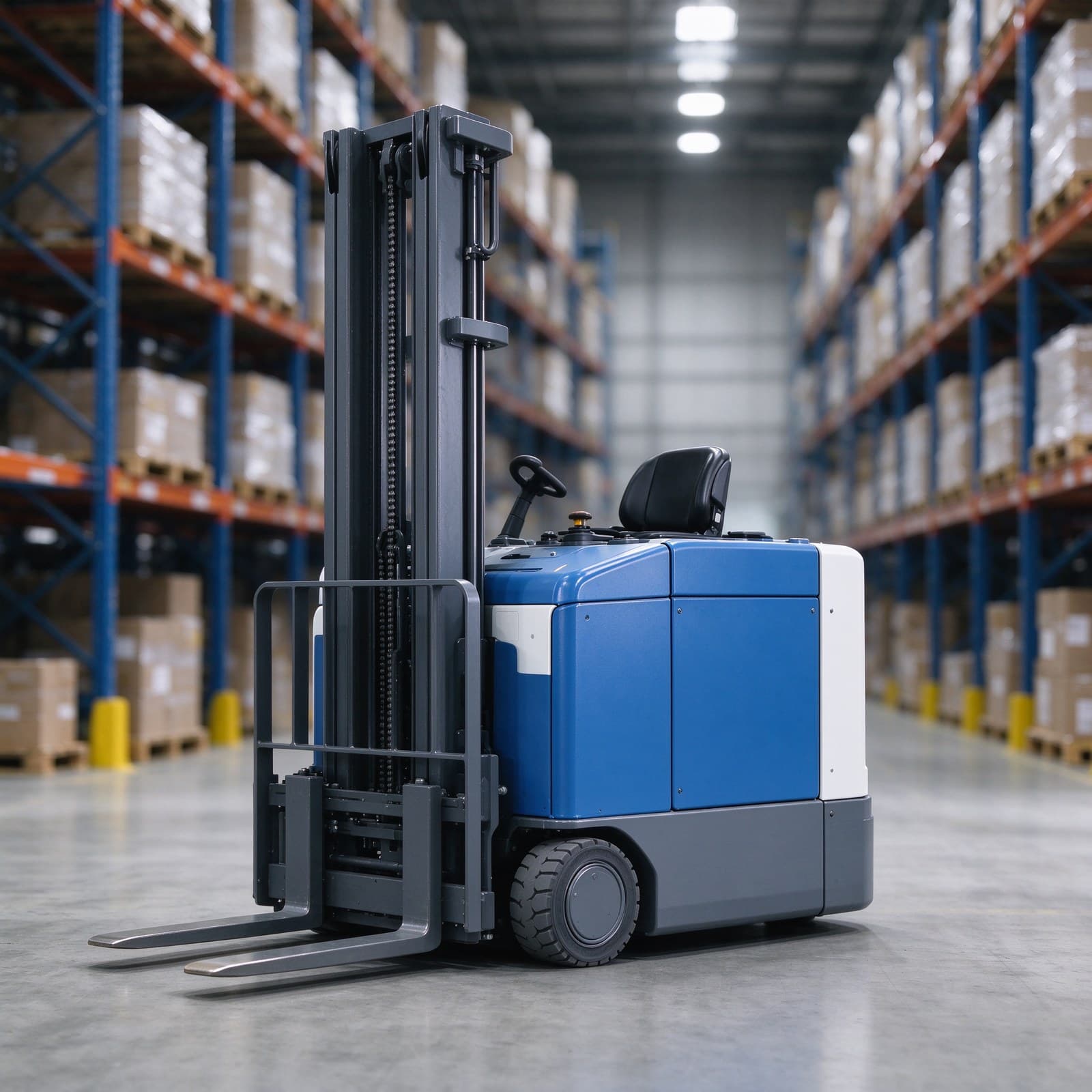
- Laser-Guided Forklifts: Perfect for heavy-duty logistics, these AGVs use laser reflectors to navigate complex warehouse layouts. They can lift pallets to significant heights and adapt to changing floor environments without extensive floor modifications.
- SLAM (Simultaneous Localization and Mapping) AGVs: Utilizing LiDAR technology, SLAM-based autonomous mobile robots can dynamically map their environment. This makes them incredibly flexible for facilities that frequently rearrange their floor layouts.
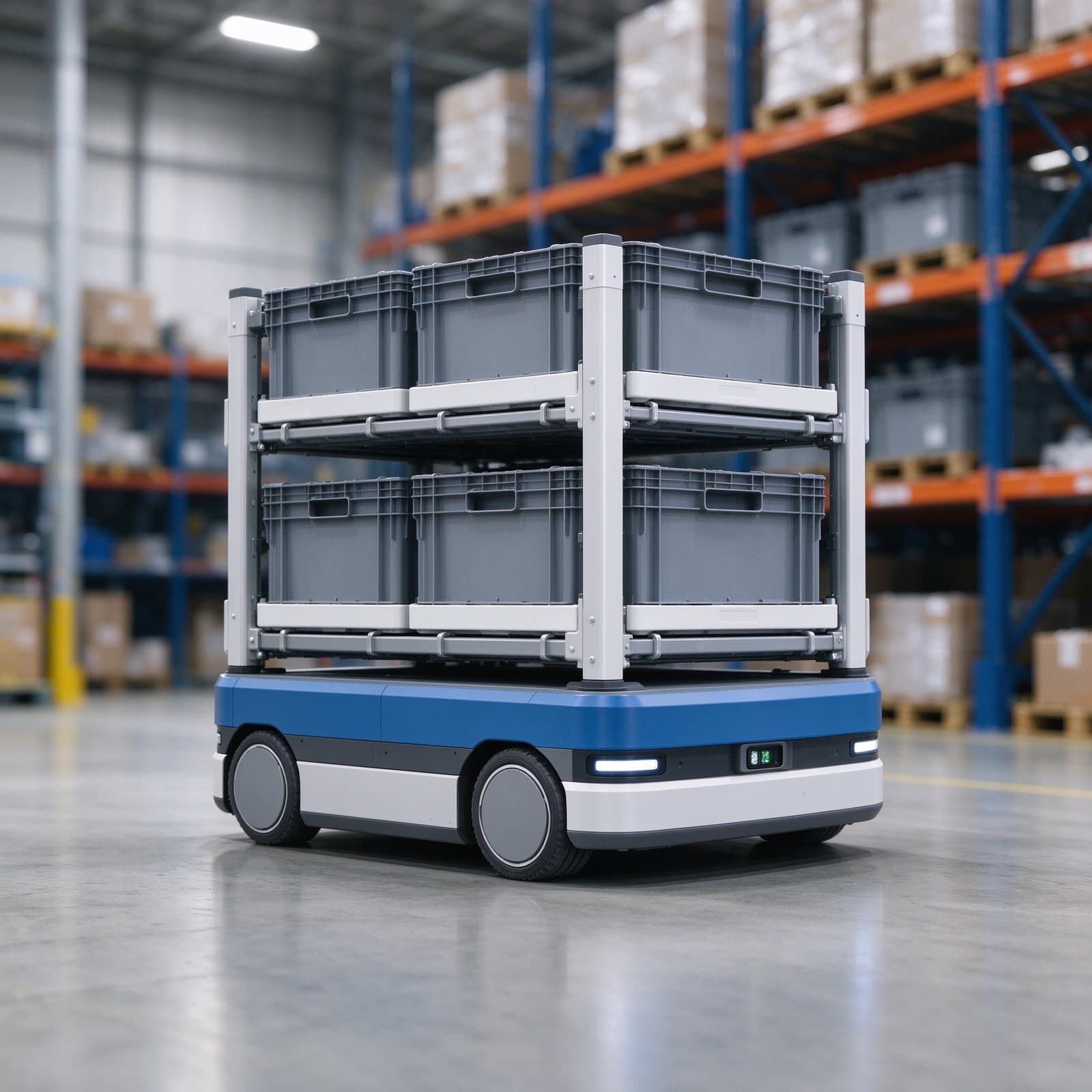
- Goods-to-Person Picking Systems: These automated guided carts bring shelving directly to pickers, drastically reducing walk time and increasing order fulfillment speed.
Overcoming Challenges in Global AGV Deployment
One of the main anxieties regarding international automation is after-sales maintenance. However, modern AGV overseas on-site commissioning services incorporate advanced remote diagnostic tools. Many systems feature cloud-based control platforms that allow engineers to monitor fleet health, troubleshoot software glitches, and even update firmware remotely from their home country.
For hardware issues, reputable manufacturers equip your site with a comprehensive inventory of spare parts before the engineers depart. Additionally, standardizing components across your fleet simplifies the supply chain for future replacements. This combination of localized spare parts and global remote engineering support ensures minimal downtime, empowering your operations to maintain peak efficiency regardless of geographic location.
ROI and Advantages of Overseas Automation
Investing in a complete AGV deployment in foreign factories yields substantial long-term advantages. By automating material handling, global manufacturers can significantly reduce labor costs and eliminate human errors in transit.
Implementing robust warehouse automation solutions allows you to achieve higher throughput accuracy and a safer working environment. Most enterprises see a rapid return on investment, often within 1.5 to 3 years, thanks to increased operational efficiency and reduced product damage. Ultimately, the key to unlocking these advantages lies in choosing an AGV partner who delivers comprehensive support—from meticulous overseas project management to hands-on local operator training.
Conclusion
In today’s interconnected global economy, borders are no longer barriers to advanced industrial automation. If you are wondering, can you send engineer to install AGV overseas? the answer is an absolute yes. By partnering with experienced Chinese AGV manufacturers with overseas installation expertise, you can confidently transform your logistics operations. From precise on-site commissioning to long-term remote support, a professional team will guide you through every step.
If you are looking for a reliable AGV supplier from China, feel free to contact us for a customized solution tailored to your factory's unique operational requirements.
FAQ
1. Will I be charged extra for travel expenses when you send an engineer to install AGV overseas?
Typically, travel expenses such as round-trip flights, local accommodation, and visa costs are transparently quoted and included in the overall AGV project management contract. A reputable supplier will provide a clear, upfront breakdown of these costs with no hidden fees.
2. Can the supplier guide us remotely instead of sending engineers to reduce costs?
While modern AGVs support advanced remote video guidance for simple setups, complex logistics projects require on-site engineers. Physical mapping, dynamic traffic debugging, and safety system integration demand hands-on expertise to ensure system stability.
3. How long does it take to send an engineer for overseas AGV installation?
The dispatch timeframe usually depends on the project's complexity and visa processing times. Generally, suppliers can deploy engineers for AGV overseas on-site commissioning services within 2 to 4 weeks after the pre-installation phase is completed.