



When sourcing automated guided vehicles (AGVs) from overseas manufacturers, the payment structure you agree to can shape the entire project's risk profile, cash-flow cycle, and long-term supply reliability. For international buyers—factory procurement teams, logistics managers, and automation engineers—the right AGV payment terms protect capital while keeping deployment timelines on track. This guide breaks down the most common AGV payment terms for international buyers, explains how each structure works in practice, and offers practical advice for negotiating terms that suit both parties in 2026.
Why AGV Payment Terms Matter in International Procurement
Cross-border equipment deals rarely follow a single, uniform payment pattern. Unlike domestic purchases where open account (OA) terms are standard, international AGV procurement typically involves staged payments tied to manufacturing milestones. These arrangements determine when cash leaves your account, how much leverage you retain during commissioning, and how protected you are if delivery or quality falls short.
Poorly structured payment terms can trap working capital in progress payments, expose buyers to upfront risk, or create disputes over acceptance criteria. Well-negotiated terms, on the other hand, align cash outflow with verified project progress—reducing exposure to fraud, delayed shipments, and post-delivery performance gaps.
Common Types of AGV Payment Terms for International Buyers
1. Telegraphic Transfer (T/T) — Milestone-Based
The most widely used structure for AGV systems is the T/T milestone payment, typically split into 30% deposit, 70% balance before shipment. More risk-conscious buyers negotiate a 30/60/10 split: 30% deposit to start production, 60% upon factory acceptance testing (FAT), and the final 10% after site commissioning and successful operation. This approach ties final cash release to proven performance.
2. Letter of Credit (L/C)
For high-value AGV fleet orders, buyers often use an irrevocable L/C issued by their bank, with payment released against shipping documents. While an L/C guarantees payment only when documentary conditions are met, it still leaves little room for post-delivery quality claims unless the agreement explicitly links document release to successful commissioning.
3. Documents against Payment (D/P) or Acceptance (D/A)
Under D/P, the buyer's bank releases shipping documents only after full payment. D/A allows the buyer to accept a time draft and receive documents first, with payment deferred—a more flexible option for buyers with strong credit, though less common for AGV procurement due to the level of trust required.
4. Open Account (OA) with Credit Insurance
OA terms—payment within 30, 60, or 90 days of delivery—are increasingly offered to repeat international buyers. To mitigate supplier risk, buyers often secure export credit insurance or use a third-party escrow service. OA terms are rare in first-time AGV deals but become viable as relationships mature and delivery track records are established.
How to Choose the Right AGV Payment Terms
Choosing AGV payment terms for international buyers depends on several factors: supplier credibility, order scale, technology maturity, and after-sales support commitments.
- For new suppliers: Prioritize milestone payments with a meaningful balance retained until FAT or site commissioning. This protects against incomplete deliveries and performance shortfalls.
- For repeat orders: Consider negotiating OA terms or extended D/A windows to improve cash-flow efficiency.
- For large fleet orders: Combine an L/C structure with a performance bond or escrow arrangement to balance security and flexibility.
Always verify the supplier's export license, after-sales support network, and spare-parts availability before committing to payment terms. A low upfront price with restrictive terms often costs more in downtime and remediation later.
Negotiating AGV Payment Terms — Practical Tips
- Request post-commissioning payment: Even if suppliers push for balance-before-shipment, negotiate a 10–15% retention released after 30 days of stable operation.
- Use escrow for high-risk deals: Third-party escrow services hold funds until both parties confirm delivery and acceptance, adding a layer of trust without stalling production.
- Leverage first-batch orders: Offer a larger initial order in exchange for more favorable payment terms on subsequent batches—this builds trust while improving your cash cycle.
- Clarify warranty and spare-parts terms: Payment terms should align with warranty coverage; avoid paying 100% before the warranty period begins.
Managing Payment Terms Across Multiple AGV Suppliers
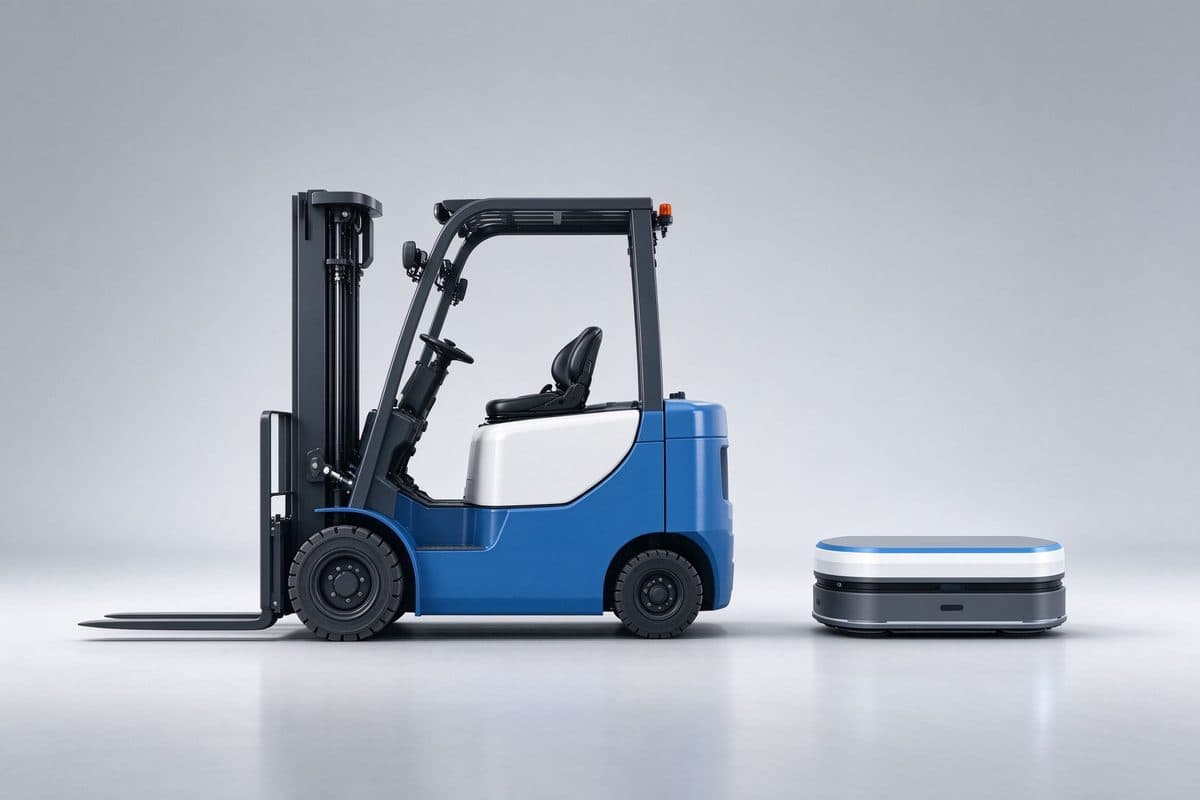
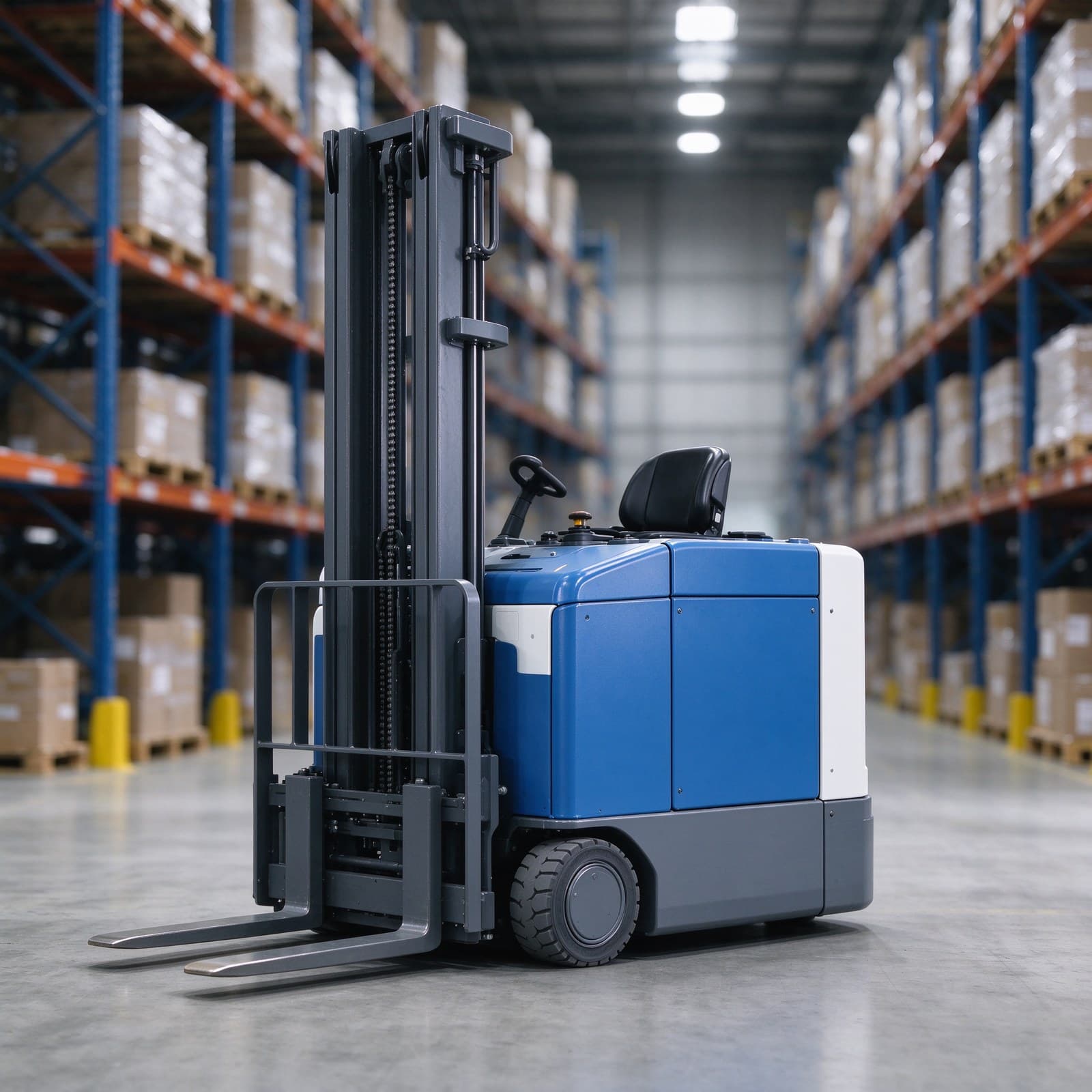
As automated material handling fleets expand, buyers often work with multiple AGV vendors for different vehicle types—pallet-moving AGVs, forklift AGVs, and omnidirectional platforms. Standardizing payment terms across suppliers simplifies accounts payable workflows and improves negotiation leverage.
A practical approach is to establish a preferred terms framework—such as 30% deposit, 60% FAT, 10% post-commissioning—and extend it to all new supplier agreements. This consistency reduces administrative overhead and makes cash-flow forecasting far more predictable.
In summary, well-structured AGV payment terms for international buyers protect capital, align cash outflow with verified project progress, and build a foundation for long-term supplier partnerships. Whether you are procuring a single AGV unit or scaling an automated fleet, understanding and negotiating the right payment structure is a strategic advantage—not just an administrative detail.
If you are looking for a reliable AGV supplier from China with transparent, buyer-friendly payment terms, feel free to contact us for a customized solution tailored to your production schedule and budget.
FAQ
1. What are the safest AGV payment terms for first-time international buyers?
The safest structure is a milestone-based T/T arrangement with a 30% deposit, 60% upon factory acceptance testing (FAT), and 10% released after site commissioning and stable operation. This minimizes upfront risk while ensuring the final payment is tied to verified performance.
2. How can I reduce risk when paying an AGV supplier by T/T?
Use a third-party escrow service to hold funds until delivery and acceptance are confirmed. Always request factory inspection reports, FAT videos, and detailed packing lists before releasing the balance. For large orders, consider combining T/T with an irrevocable letter of credit.
3. Are open account (OA) terms possible for AGV procurement?
Yes, OA terms are possible but typically reserved for repeat buyers with a proven payment history. If you are new to a supplier, you can negotiate OA for future orders by placing a larger initial order or offering a letter of credit as backup security.