

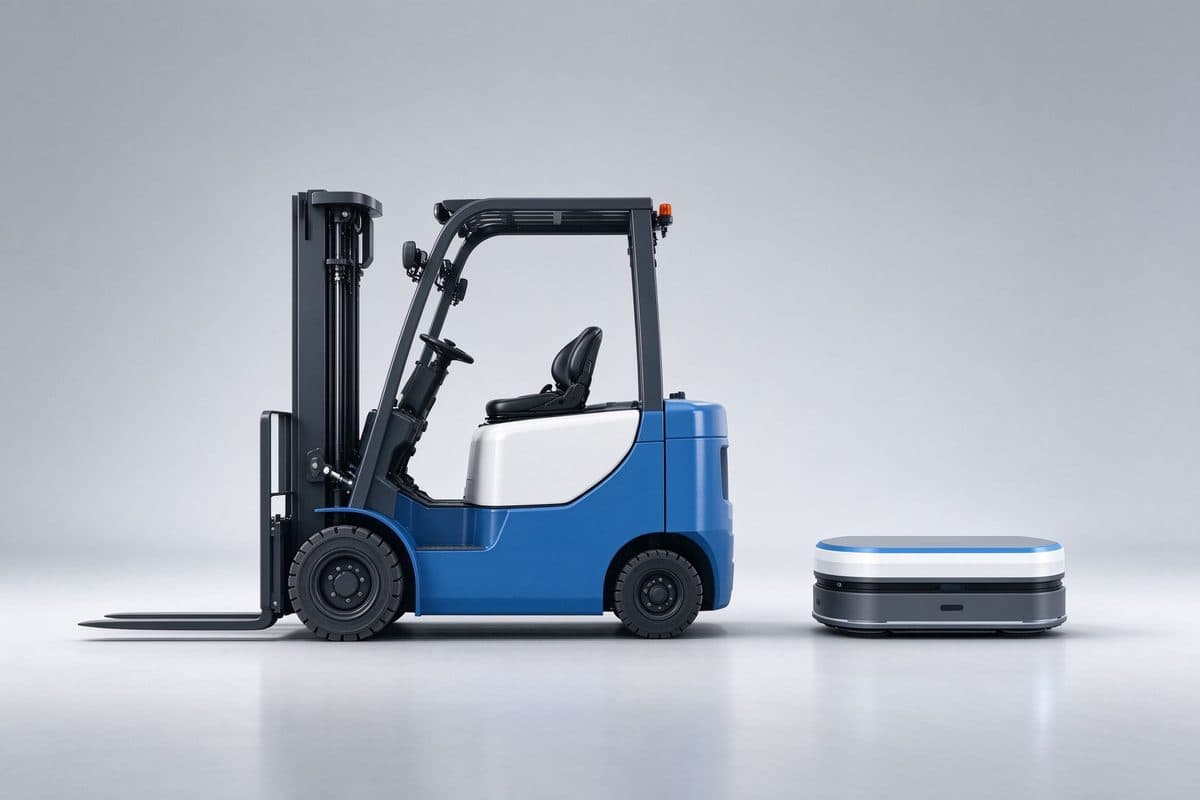
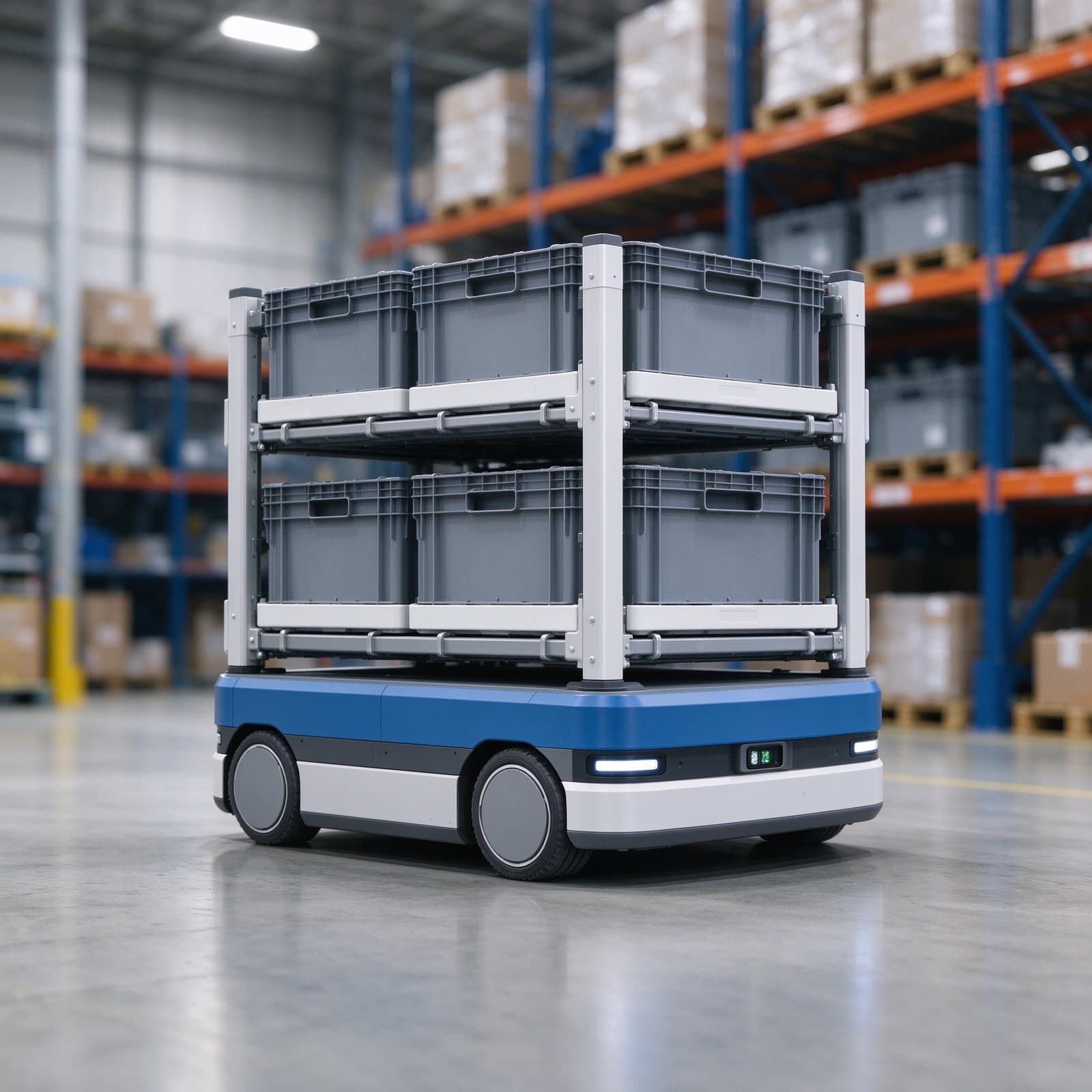
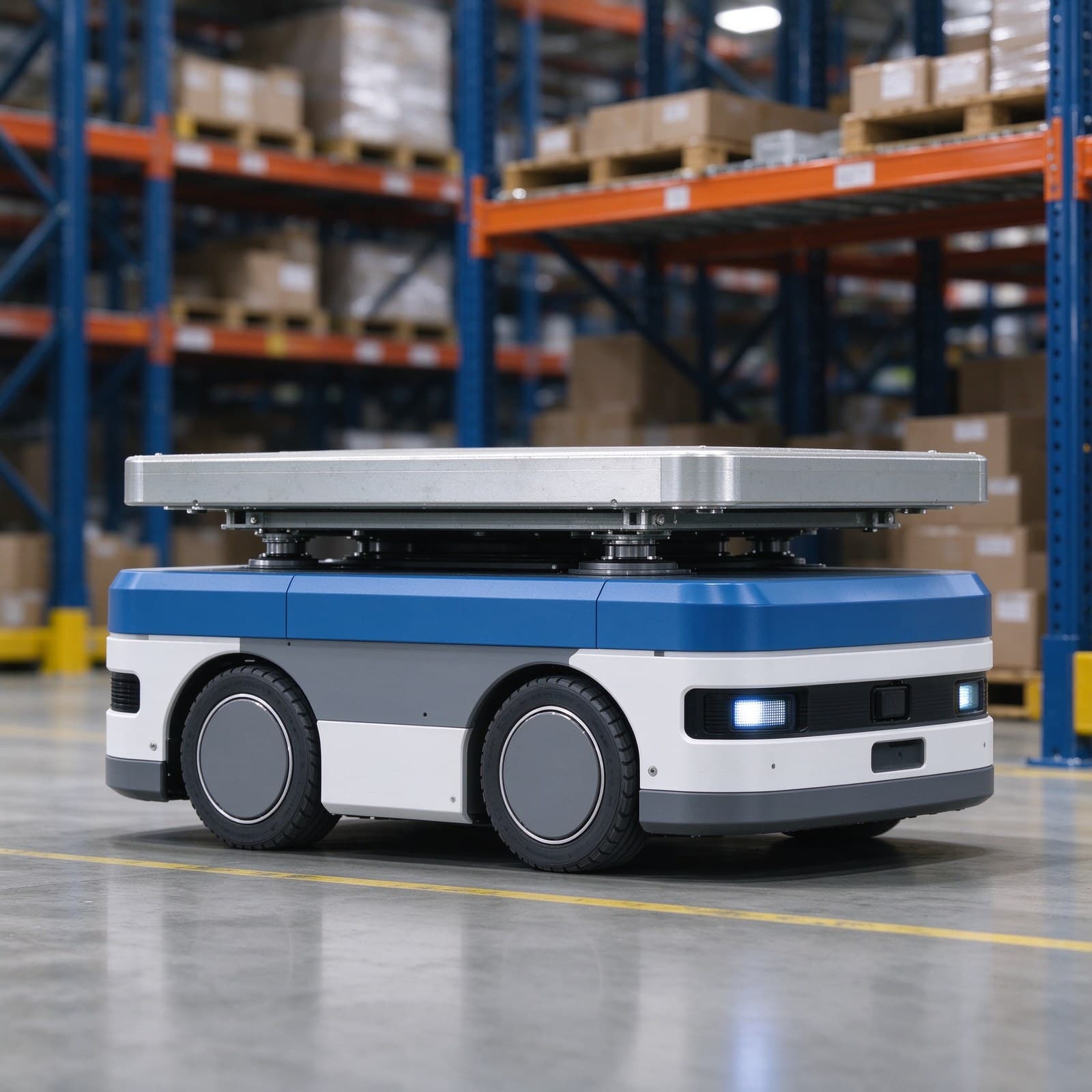
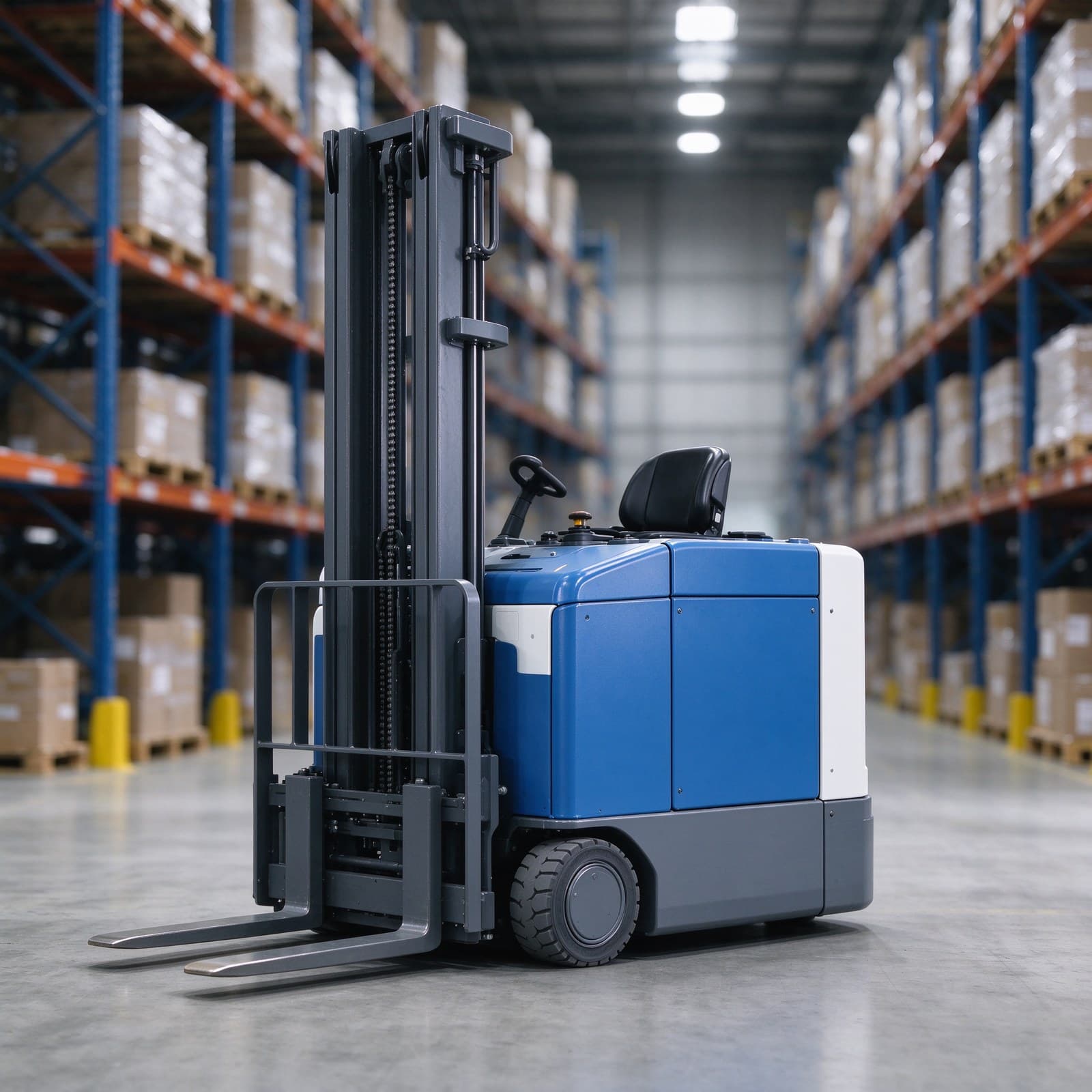
If you are modernizing a factory floor or upgrading a warehouse, you have likely encountered the term "SLAM." But what is SLAM in AGV navigation? SLAM stands for Simultaneous Localization and Mapping. It is a cutting-edge technology that allows Automated Guided Vehicles (AGVs) to build a real-time map of their surroundings while simultaneously figuring out their own position within that map. For factory procurement managers and automation engineers, SLAM eliminates the need for costly physical infrastructure like magnetic tapes or reflectors, offering a truly flexible, plug-and-play solution for internal logistics.
How Does SLAM in AGV Navigation Work?
To understand what is SLAM in AGV navigation, it helps to look under the hood. SLAM algorithms work by combining data from onboard sensors—typically LiDAR, 2D laser scanners, or depth cameras—with data from the vehicle's internal odometry (wheel or inertial sensors).
As the SLAM-based AGV moves through an unknown environment, its sensors continuously scan the surroundings. The software compares these new scans to previous ones to detect landmarks such as walls, machinery, racks, or pillars. Through a process called "scan matching," the system calculates the vehicle's precise location and simultaneously adds new details to the digital map. Advanced SLAM algorithms also utilize "loop closure" to correct any accumulated drift, ensuring long-term navigational accuracy.
SLAM vs. Other Navigation Methods
To fully grasp what is SLAM in AGV navigation, it is essential to compare it with traditional positioning methods:
- Magnetic Tape & QR Code Navigation: These are highly reliable but rigid. Changing a factory layout requires physically moving tapes or replacing hundreds of floor QR codes, resulting in high labor costs and production downtime.
- LiDAR Reflector Navigation: This method uses stationary reflectors to calculate the AGV's position. While accurate, installing and maintaining these reflectors is a heavy upfront infrastructure cost.
- FIAT (Factory Information Architecture and Technology): FIAT relies on pre-existing maps from building blueprints and scans to navigate. While useful for static environments, it struggles with dynamic, constantly changing factory layouts.
- SLAM Navigation: Unlike the methods above, SLAM requires zero physical infrastructure. The AGV learns the environment on its own. This makes it the ideal choice for dynamic facilities where production lines shift frequently.
Key Advantages of SLAM-Based AGVs
Investing in SLAM technology brings a multitude of benefits to industrial automation:
- Fast Deployment: Without the need to install wires, magnets, or reflectors, a SLAM-equipped AGV can be deployed in a new facility in a fraction of the time.
- Maximum Flexibility: If you reconfigure your production line next month, the AGV simply re-maps the new environment automatically. This dynamic adaptability is a game-changer for lean manufacturing.
- Reduced Maintenance: Less physical infrastructure means fewer physical components to break, wear out, or maintain.
- High Precision: Modern SLAM algorithms integrated with LiDAR offer centimeter-level accuracy, which is perfectly adequate for precise docking at machine tool loaders, assembly lines, and automated conveyors.
How to Choose the Right SLAM AGV for Your Facility
When selecting a SLAM navigation system, consider the following operational factors:
- Environment Complexity: Is your facility crowded with dynamic obstacles, such as moving forklifts and human workers? SLAM is exceptionally good at handling dynamic environments thanks to advanced obstacle avoidance algorithms.
- Payload Capacity: Are you moving lightweight pallets or heavy-duty AGVs carrying tons of raw materials? Ensure the SLAM-equipped vehicle has the right chassis and motors to handle your specific load.
- Fleet Scalability: If you plan to scale up, choose a vendor that offers a robust Fleet Management System (FMS). A good FMS allows dozens of SLAM AGVs to share the same map, coordinate traffic, and optimize routes efficiently.
- Environmental Conditions: For harsh environments with dust, steam, or variable lighting, look for AGVs with IP-rated enclosures and sensors specifically tuned for low-visibility SLAM mapping.
Applications of SLAM AGVs in Industry
The flexibility of SLAM makes it highly versatile. Today, SLAM-based pallet-moving AGVs are widely used in electronics manufacturing, automotive assembly plants, and 3PL warehouses. In environments requiring high hygiene standards, such as pharmaceutical plants or cleanroom environments, SLAM-based cleanroom AGVs navigate seamlessly without floor markings. Furthermore, heavy-duty AGVs utilizing SLAM are transforming heavy material handling in steel mills and heavy machinery plants.
Conclusion
Understanding what is SLAM in AGV navigation is the first step toward future-proofing your factory's material handling processes. By adopting SLAM technology, you gain a flexible, low-maintenance, and highly efficient material handling system that adapts to your business growth, rather than constraining it. If you are looking for a reliable AGV supplier from China, feel free to contact us for a customized solution tailored to your facility's unique requirements.