

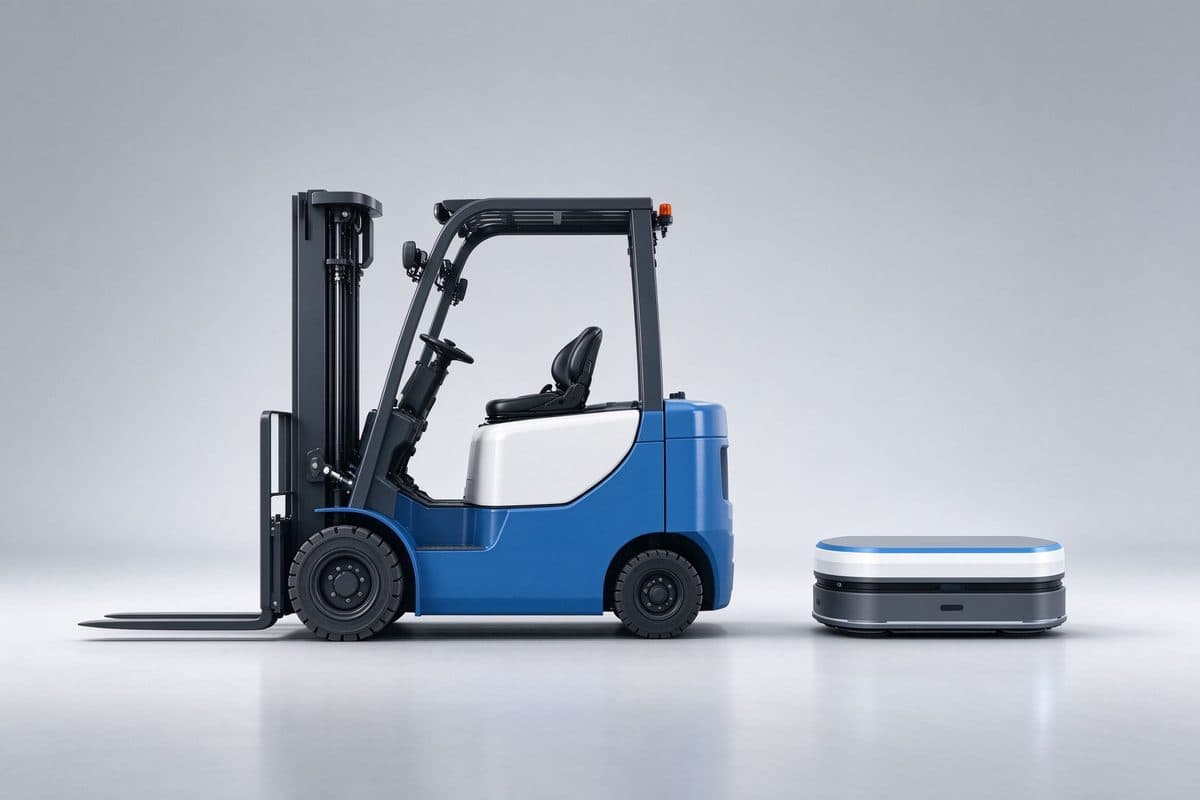
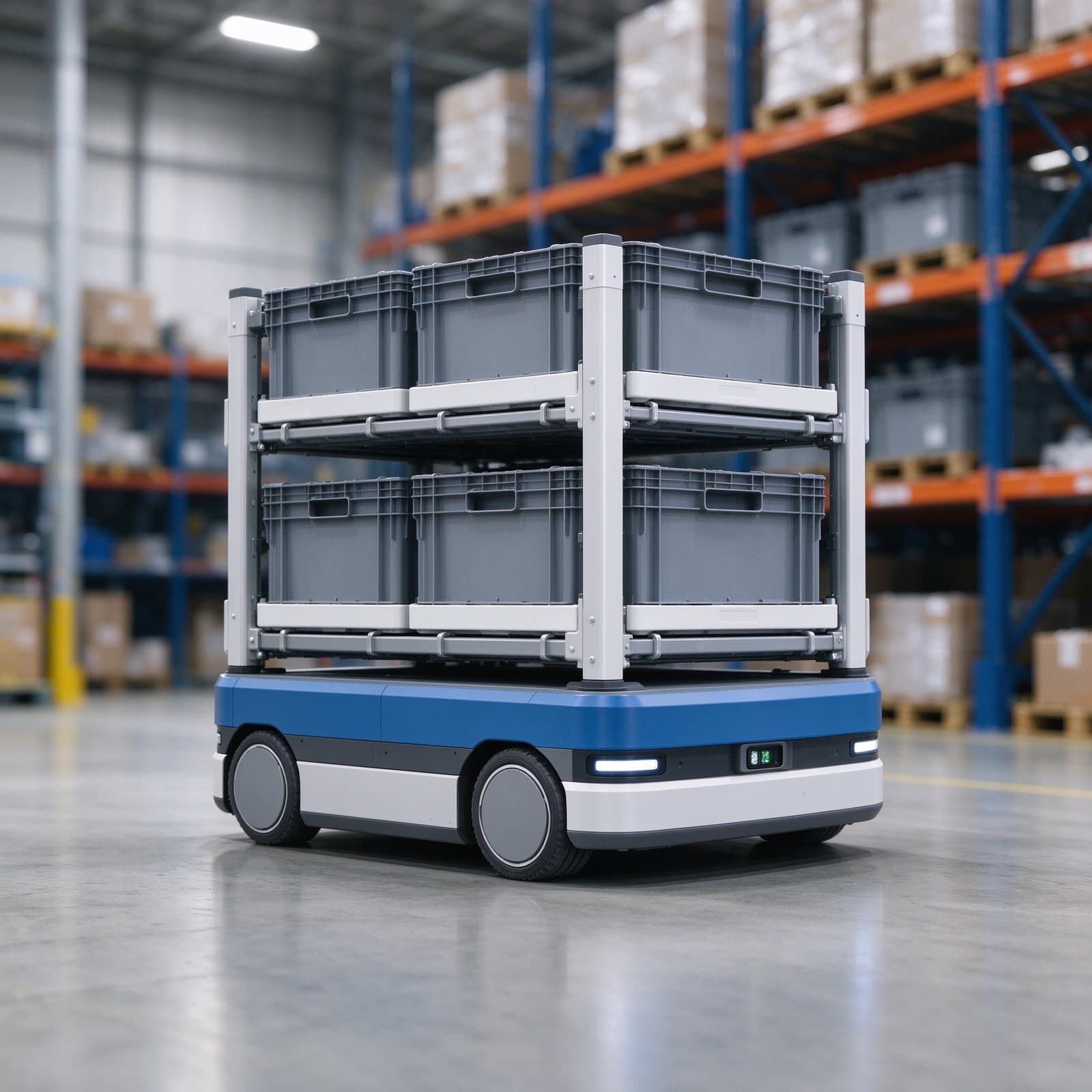
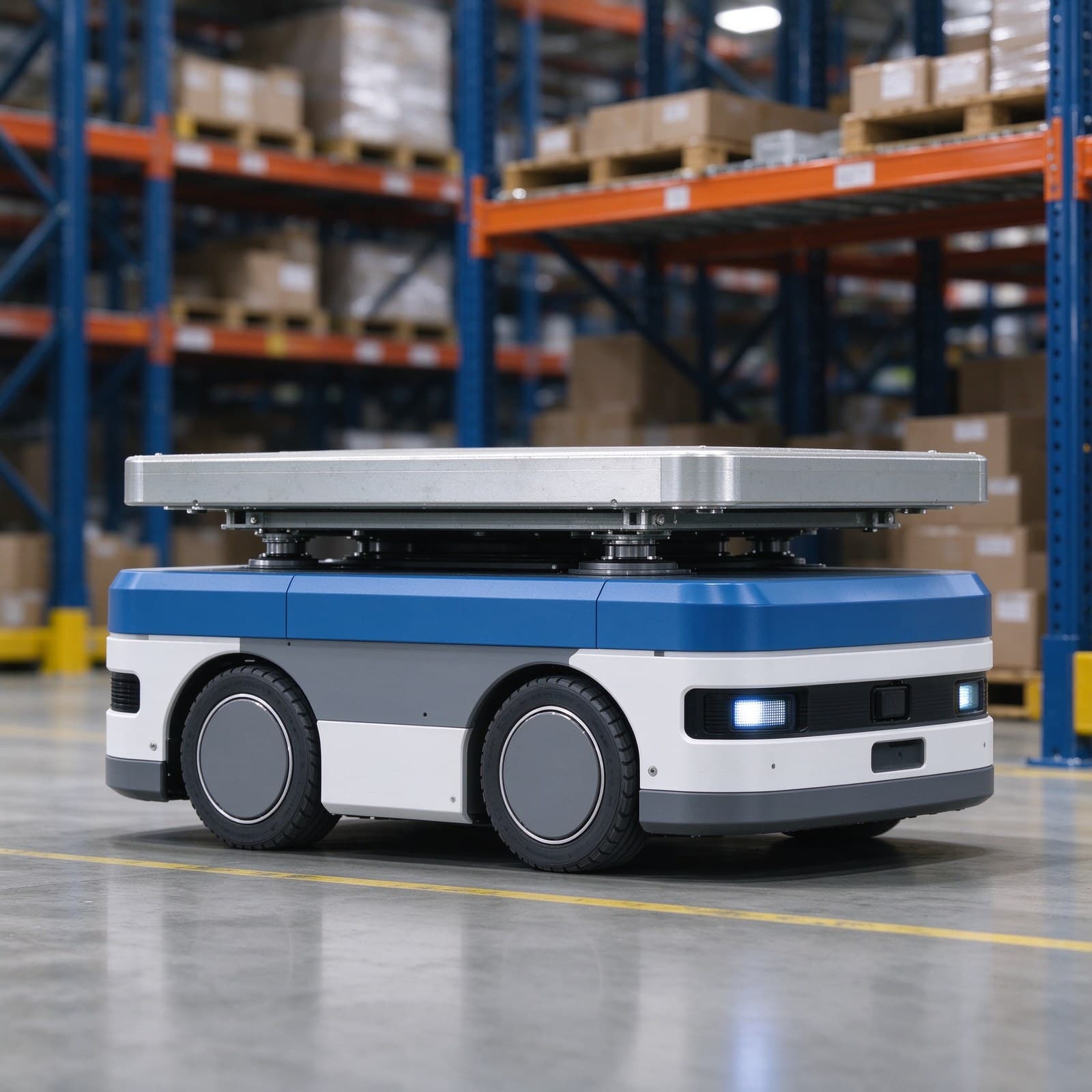
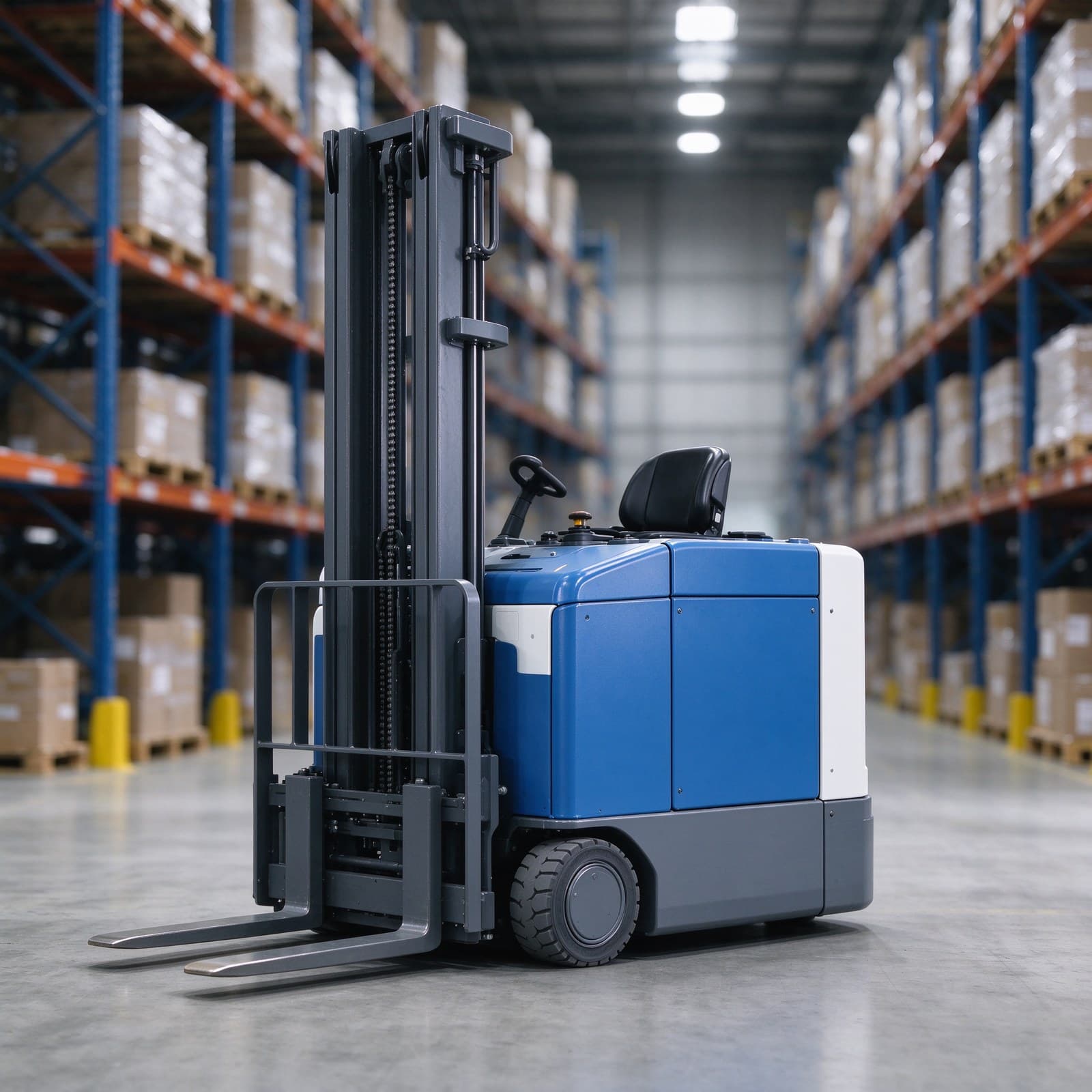
The short answer is yes—but the right outdoor AGV requires careful design choices. Automated Guided Vehicles (AGVs) can operate outdoors reliably when they combine outdoor AGV navigation technologies (such as GNSS/RTK, LiDAR SLAM, or a hybrid approach), a weatherproof AGV enclosure, and safety features suited to dynamic, uncontrolled environments. From cross-dock yards to steel mills and construction sites, outdoor AGVs for logistics and heavy-duty material handling deliver 24/7 automation, improved traceability, and reduced labor reliance—provided you select a platform engineered for real-world conditions.
Below, we break down how outdoor AGVs work, what to specify, and how to choose the best solution for your site.
How Outdoor AGV Navigation Actually Works (and Where It Fails)
Outdoor AGV systems typically use one or more of the following AGV outdoor navigation methods:
- GNSS/RTK (GPS-corrected): Offers centimeter-level positioning in open yards. Accuracy degrades near tall structures, dense roofs, or in heavy tree cover. Use with inertial measurement units (IMUs) and dead-reckoning for robustness.
- LiDAR SLAM (Simultaneous Localization and Mapping): Builds a map of the environment and localizes against it. Excellent in complex layouts, but performance can be affected by snow, heavy rain, or low-reflectivity surfaces.
- Natural feature navigation (e.g., 3D vision/point cloud): Uses existing structures (buildings, poles, walls) as reference points—ideal for outdoor AGV applications with evolving layouts.
- Hybrid architectures: Many vendors combine GNSS in open areas with LiDAR/vision in structured zones to maintain uptime.
For durable outdoor AGV platforms, also consider:
- Sensor redundancy: Multiple LiDARs, radar, and cameras mitigate occlusion and weather-induced failures.
- Dynamic path planning: Avoid obstacles, re-route around temporary blockages, and integrate with gates, dock levelers, and recharging stations.
- Environmental resilience: IP ratings (see below), thermal management, and vandalism-resistant components.
Key Design Features for Weatherproof, Long-Lasting Operation
To ensure outdoor AGV deployments succeed, look for these engineering specifications:
- Enclosure and protection: A typical weatherproof AGV should meet IP54 minimum, with IP65 or higher recommended for washdown areas or heavy rain. Ensure cable connectors, charge contacts, and sensor housings meet the same standards.
- Operating temperature range: Specify a platform that runs reliably from -20°C to +50°C, with battery chemistry and thermal management designed for extremes. Add heaters for cold starts and dew point management.
- Battery and charging: Outdoor AGVs often use lithium iron phosphate (LiFePO4) batteries for long cycle life and thermal stability. Consider opportunity charging or automated battery swapping to maintain uptime.
- Tires and drivetrain: Non-marking, abrasion-resistant tires and a robust suspension system are essential for uneven terrain. For outdoor forklift AGVs, wet or icy surfaces require anti-skid control and slower speed profiles.
- Safety standards: Look for ISO 3691-4 compliance (the global benchmark for driverless industrial trucks) and integrate light curtains, bumpers, warning beacons, and acoustic alerts tailored for outdoor environments.
- Cybersecurity and connectivity: Outdoor Wi-Fi 6 or 5G networks plus secure network segmentation protect against interference and malicious activity. Use OTA (over-the-air) updates only from trusted vendors.
Selecting the Best AGV Type for Your Outdoor Application
Outdoor AGVs span several categories. Choose based on payload, terrain, and process:
- Outdoor logistics AGVs: Typically used in yards, cross-docks, and port environments for trailer loading, container handling, and order fulfillment. Payloads range from hundreds of kilograms to tens of tons.
- Outdoor AGV pallet movers: Designed for dock-to-dock transport in distribution centers with outdoor lanes. Look for tight turning radius and excellent anti-slip control.
- Outdoor forklift AGVs: Ideal for loading/unloading trucks in manufacturing yards. Ensure outdoor forklift AGVs include mast-and-fork obstruction detection and high-visibility status lights.
- Heavy-duty outdoor AGV platforms: Wheeled or track-driven modules that carry very heavy or oversized loads—common in steel, lumber, and precast concrete yards.
- Outdoor AGV tuggers: Flexible tow tractors for moving multiple carts across outdoor facilities, particularly in food, beverage, or automotive plants with mixed indoor/outdoor flows.
Payload and environment sizing
- Estimate the worst-case load (peak weight, center of gravity, and dynamic forces during acceleration/turning).
- Account for gradient and surface quality. A 5% grade increases required traction and torque significantly.
- Consider clearance and ramps. Industrial outdoor AGVs should handle slopes up to 10–15% with controlled speed and stability.
Step-by-Step Buyer’s Checklist
- Define your operating envelope: Temperature range, precipitation, dust, lighting, and noise constraints.
- Map the workflow: Lane widths, intersections, gates, dock systems, and charging infrastructure.
- Choose navigation: Open yards favor outdoor AGV with GPS/RTK; complex structures may require outdoor AGV LiDAR SLAM.
- Validate safety: Ensure compliance with ISO 3691-4, local regulations, and site-specific risk assessments.
- Review uptime strategy: Plan for charging stations, battery swaps, maintenance windows, and software updates.
- Pilot before scale-up: Run a time-bounded outdoor AGV pilot to measure reliability, throughput, and integration gaps.
Real-World Outdoor AGV Examples
- Port and intermodal yards: Automated yard tractors move containers between berths, rail ramps, and storage blocks. The best systems integrate with terminal operating systems (TOS) for real-time tasking.
- Construction sites: Outdoor AGV carts carry materials across rough terrain, reducing rework and injuries. Vision-based localization allows quick adaptation to changing layouts.
- Utility and energy plants: Outdoor AGVs for logistics transport pipes, transformers, and heavy components in high-dust or high-temperature environments.
- Manufacturing parks: Autonomous outdoor pallet movers connect workshops, warehouses, and loading docks without dedicated infrastructure.
Common Challenges and How to Overcome Them
- Rain, snow, and ice: Use weatherproof AGV designs with heated sensors, hydrophobic coatings, and tire selection optimized for wet traction. Reduce speed in icy conditions.
- Changing layouts: Prioritize outdoor AGV navigation that supports mapping updates and temporary re-routing, such as LiDAR SLAM combined with landmark recognition.
- Interference and connectivity gaps: Redundant networks (Wi-Fi + 5G), local edge compute, and offline mission execution reduce downtime.
- Regulatory compliance: Align with ISO 3691-4 and local safety directives. Engage your insurer and safety officer early.
Conclusion: Start Small, Scale Smart, and Protect Uptime
Outdoor AGVs can work reliably when you match the platform’s navigation, durability, and safety to your environment. Begin with a focused outdoor AGV pilot on a single lane or process, measure throughput and error rates, and refine your operational playbook before full deployment. Prioritize ISO 3691-4 compliance, weatherproof AGV specifications, and a vendor with proven integration experience across ERP/MES/TOS systems.
If you are looking for a reliable AGV supplier from China, feel free to contact us for a customized solution. We offer outdoor AGVs, industrial outdoor AGVs, outdoor forklift AGVs, and heavy-duty outdoor AGV platforms tailored to your payload, terrain, and climate—backed by engineering support and global service.
FAQ
1. Can AGVs work outside in heavy rain or snow?
Yes. Select an IP65-rated, weatherproof AGV with heated sensors and wet-grip tires. Many vendors enable reduced speed profiles and redundancy modes when precipitation or ice is detected.
2. Which is better for outdoor AGV navigation: GPS/RTK or LiDAR SLAM?
GPS/RTK works best in open yards with good satellite visibility; LiDAR SLAM performs well in complex, structured environments. The best solution is often hybrid, using GNSS in open areas and SLAM/vision in obstructed zones.
3. Do outdoor AGVs need special batteries?
Use LiFePO4 batteries with thermal management for stable performance across temperature extremes. Consider opportunity charging or battery swapping to maintain uptime in high-throughput scenarios.","tags":["AGV outdoor use","outdoor AGV navigation","weatherproof AGV","industrial outdoor AGVs","outdoor AGV deployment","outdoor AGV pilot","outdoor forklift AGV","outdoor AGV applications","AGV outdoor safety","AGV supplier China"]}