

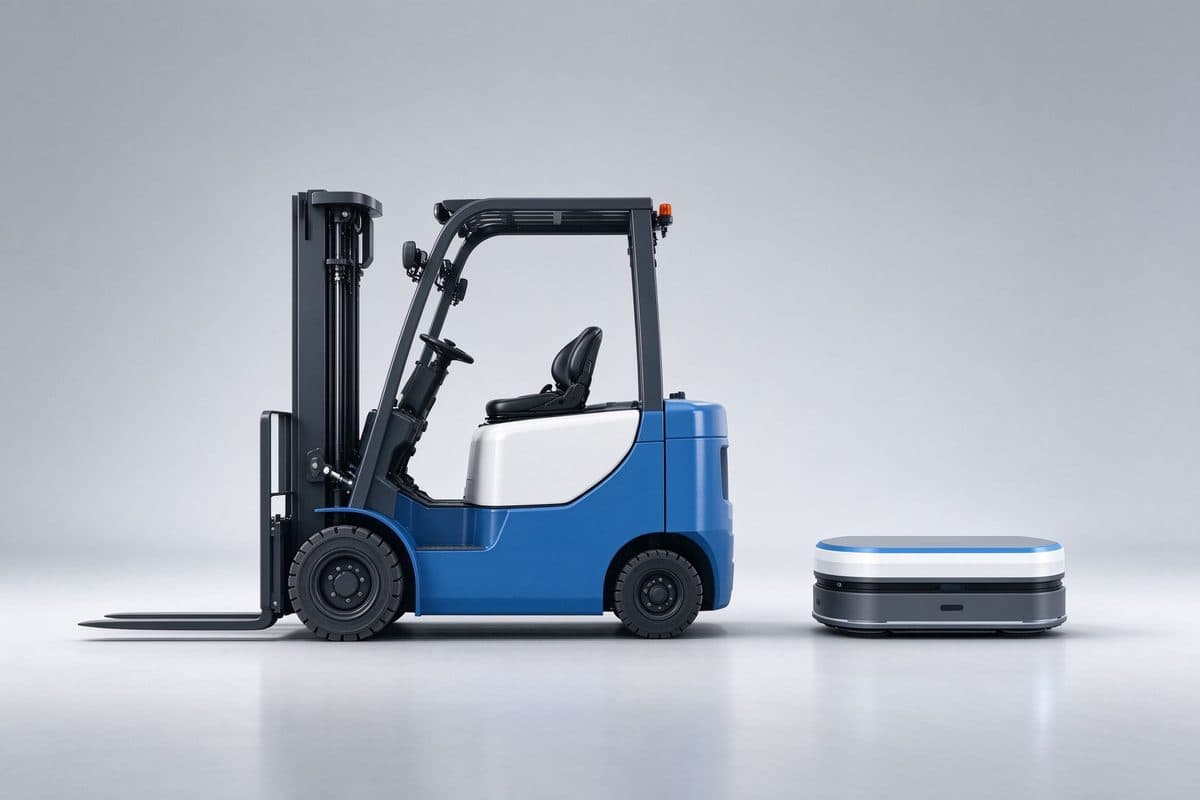
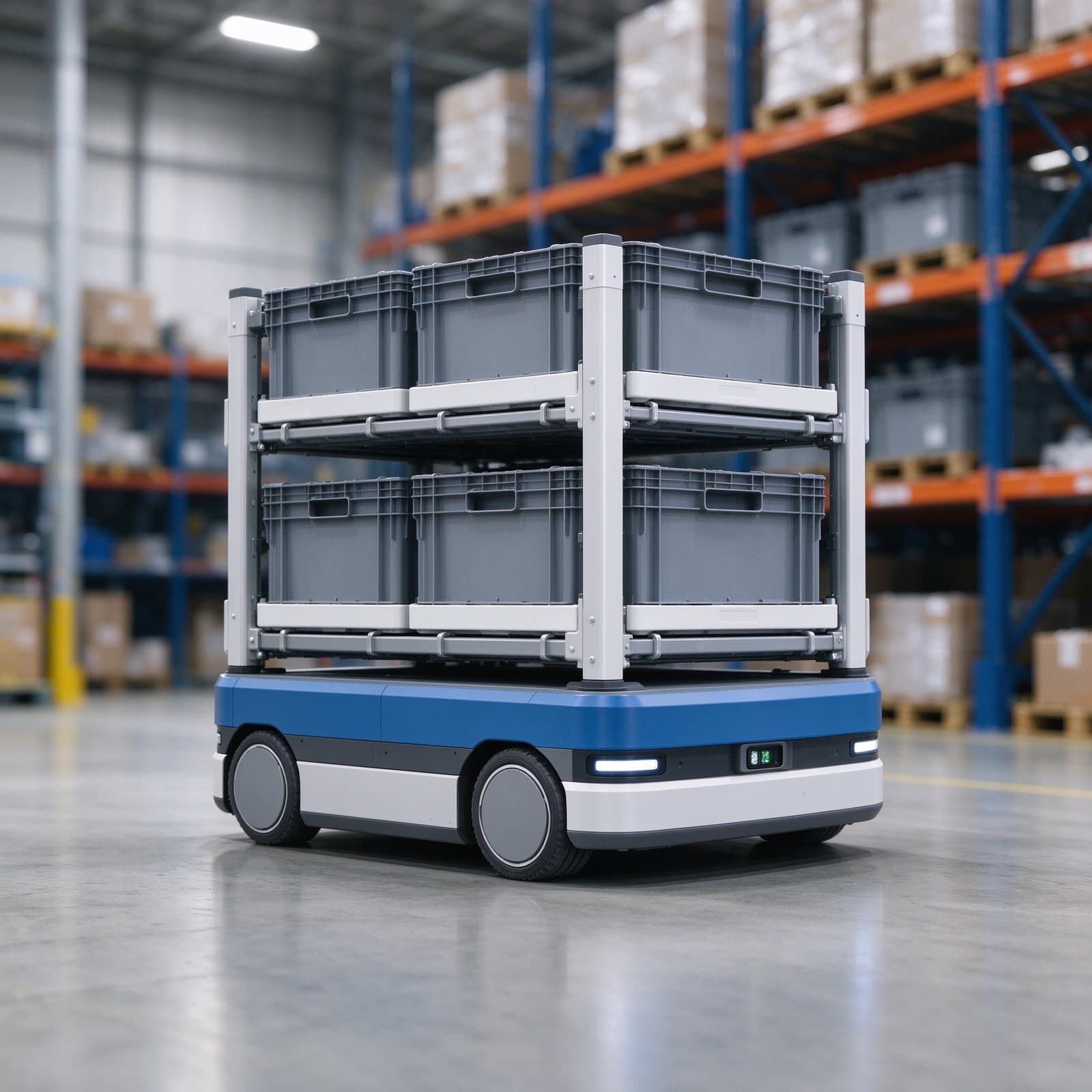
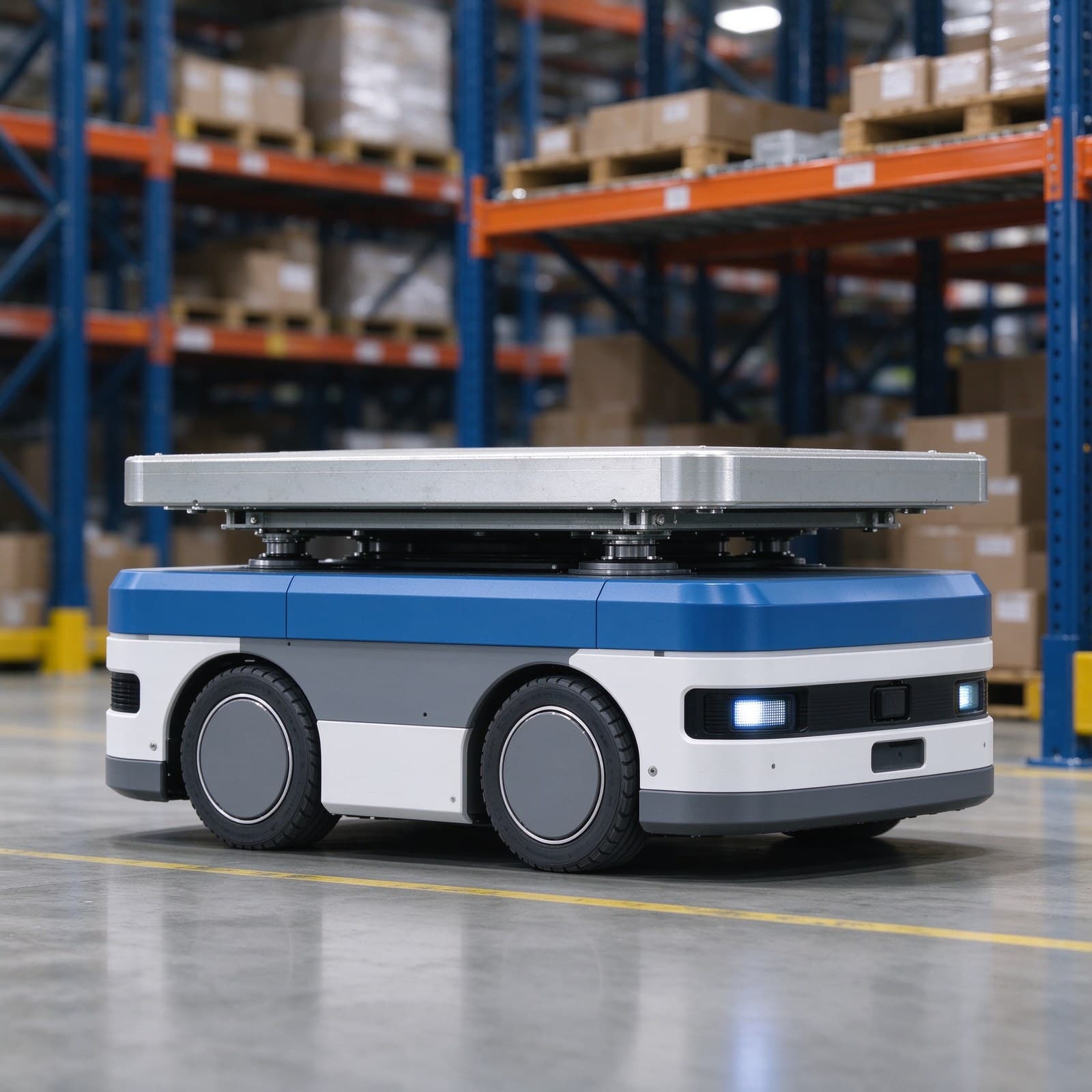
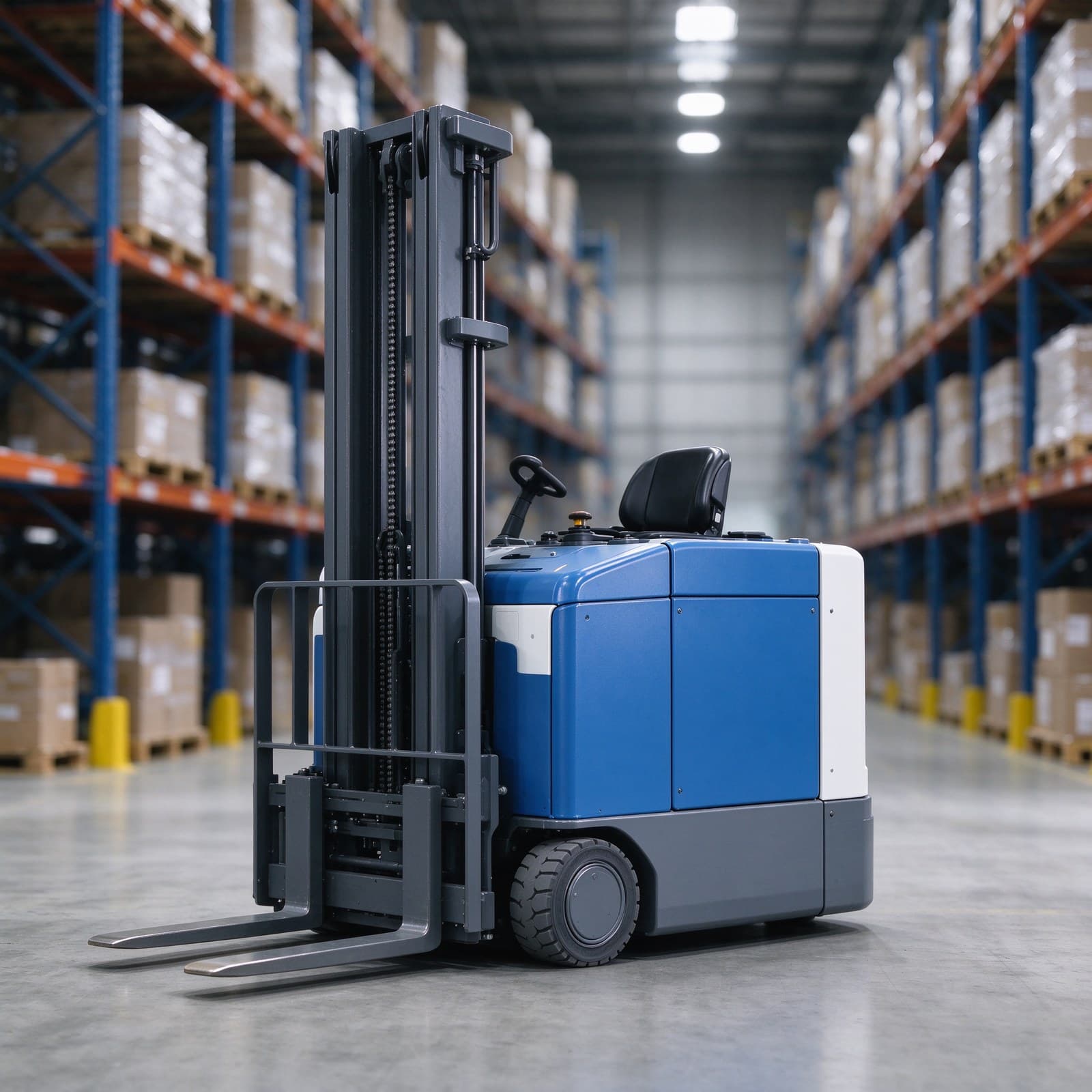
If you are investigating how to upgrade your factory floor or warehouse operations, understanding how does laser navigation work in agv systems is a crucial first step. Laser navigation is currently one of the most popular, flexible, and efficient technologies in the automated material handling industry. By utilizing advanced Light Detection and Ranging (LiDAR) sensors, these autonomous mobile robots can navigate complex environments without relying on physical guides. For facility managers and automation buyers, knowing how this technology operates is the key to making a cost-effective procurement decision.
The Core Mechanics: How Does Laser Navigation Work in AGV?
The technology relies on a simple yet highly sophisticated principle. Unlike traditional methods that require embedded wires or magnetic tapes, laser-guided AGVs are completely wire-free.
1. Scanning the Environment
A laser scanner is mounted on top of the AGV. As the vehicle moves, this scanner rotates and emits rapid laser beams in all directions. These beams bounce off surrounding objects—such as walls, machinery, racks, and even human workers—and return to the sensor. By calculating the time it takes for the laser to return, the system determines the exact distance to these obstacles, creating a 360-degree real-time map of the surroundings.
2. Localization and Navigation
The AGV's onboard computer uses a technology called Simultaneous Localization and Mapping (SLAM). It compares the real-time laser scan data with an existing facility map loaded into its memory. Through this comparison, the system continuously calculates the robot's exact location within the facility. Once positioned, the central fleet management software determines the optimal route, sending instructions to the AGV to safely transport materials to its destination.
Types of Laser Navigation Systems in AGVs
When exploring AGV navigation technologies, you will generally encounter two main types of laser-guided systems:
- Reflector-Based Laser Navigation: This is the traditional and most common method. Infrared lasers are installed around the facility, often on walls or steel posts. The AGV's onboard laser sensor detects these reflectors to calculate its exact position. It is highly reliable, offers pinpoint accuracy, and is generally more affordable.
- Laser SLAM Navigation (No Reflectors): This represents the cutting edge of automation. Instead of fixed reflectors, the AGV uses its LiDAR to read natural features in the environment, such as pillars, doors, and boxes. This eliminates the need for expensive site modifications, offering unmatched flexibility if your facility layout changes frequently.
Advantages of Laser-Guided AGVs for Modern Facilities
Understanding how does laser navigation work in agv also means recognizing its immense value propositions for industrial buyers:
- High Precision and Efficiency: Laser navigation provides centimeter-level accuracy. This ensures the safe, reliable docking of AGVs with automated production lines, CNC machines, and charging stations.
- Dynamic Path Planning: If an employee or a pallet blocks the planned route, a laser-guided AGV can instantly detect the obstacle, halt safely, and automatically calculate a new route to its target destination.
- Simplified Installation: Because it does not require taping the floor or pulling wires, deployment is incredibly fast. It significantly reduces installation time and minimizes operational downtime.
- Complex Environment Adaptation: Laser systems are exceptionally good at navigating large, complex spaces like sprawling automotive plants or large electronics manufacturing facilities.
Key Considerations for Purchasing Laser-Guided AGVs
As a procurement manager, evaluating the laser navigation AGV cost is just one piece of the puzzle. Before purchasing, consider the following factors:
- Environmental Assessment: While excellent indoors, highly reflective surfaces (like floor-to-ceiling polished mirrors) or extreme outdoor glare can sometimes interfere with laser readings. Ensure your facility is compatible.
- Precision Requirements: Evaluate how tightly your AGV needs to dock with machines. For standard pallet moving, reflector-based systems are usually sufficient; for high-precision assembly, natural feature SLAM might be required.
- System Ecosystem: Ensure the AGV's software can integrate seamlessly with your existing Warehouse Management System (WMS) or Enterprise Resource Planning (ERP) software.
- Total Cost of Ownership (TCO): Consider not just the initial laser navigation AGV cost, but also maintenance, software updates, and scalability. A flexible SLAM system might require a higher upfront investment but yields long-term savings through easy reconfiguration.
Real-World Applications Across Industries
Laser-guided AGVs are the backbone of automation in many sectors. In automotive manufacturing, they transport heavy car chassis seamlessly across assembly lines. In electronics factories, laser-guided forklift AGVs precisely lift and deliver shelves of delicate components to pick stations. Meanwhile, in smart warehousing, automated laser-guided carts optimize space utilization and accelerate order fulfillment, proving indispensable for modern supply chains.
Conclusion
In summary, laser navigation empowers AGVs with the autonomy, precision, and adaptability required to thrive in today's fast-paced industrial landscape. Whether you are automating a single production cell or completely transforming a massive distribution center, selecting the right navigation technology is a critical investment.
If you are looking for a reliable AGV supplier from China, feel free to contact us for a customized solution and competitive pricing tailored to your facility's exact requirements.
Frequently Asked Questions (FAQ)
What are the three types of AGV navigation commonly used in the industry?
The three most common types of AGV navigation are magnetic tape navigation, laser navigation, and vision-based navigation. Each offers different balances of cost, accuracy, and environmental flexibility.
Does a laser-guided AGV need physical installations like wires or tapes?
No. Laser-guided AGVs operate wire-free. They use LiDAR sensors to scan their surroundings and map natural or reflective features, allowing them to navigate dynamic environments without physical tracks on the floor.
How much does a laser-guided AGV cost on average?
The laser navigation AGV cost varies widely depending on the payload capacity, safety features, and navigation type (reflector vs. SLAM). Typically, a standard industrial laser-guided AGV ranges from $10,000 to $50,000 USD.