

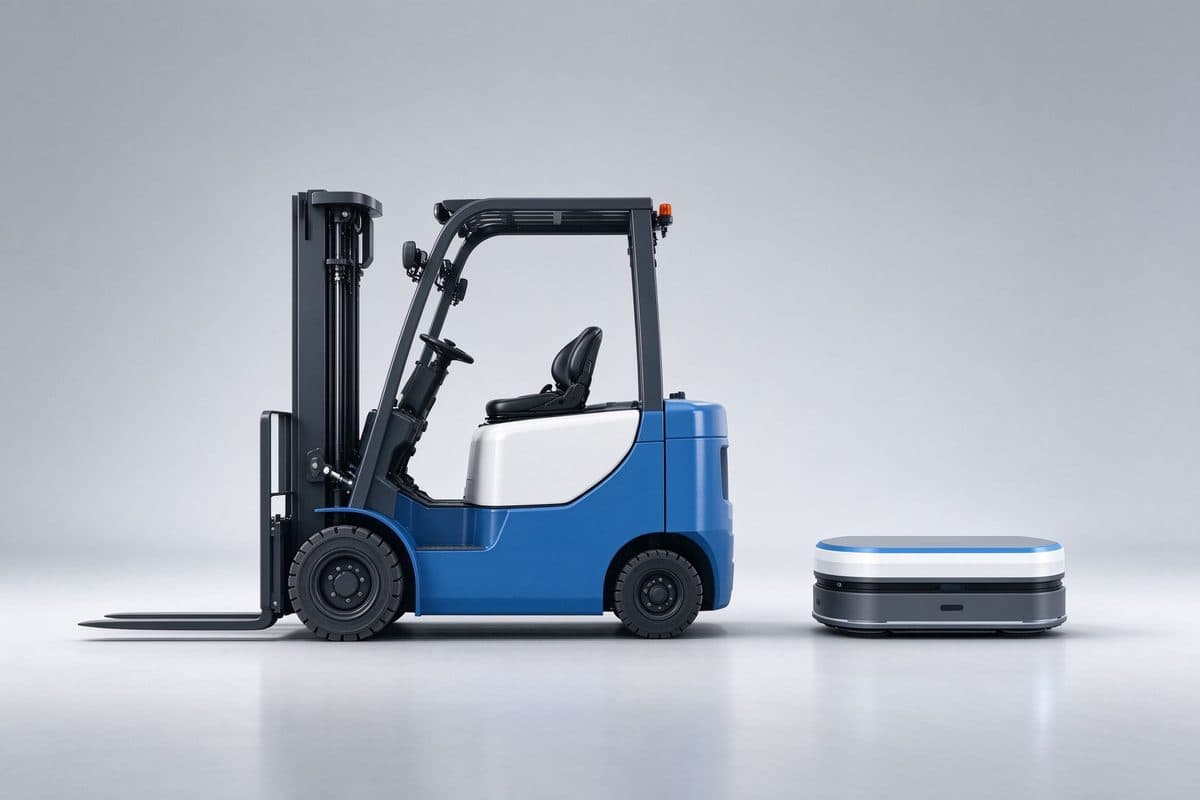
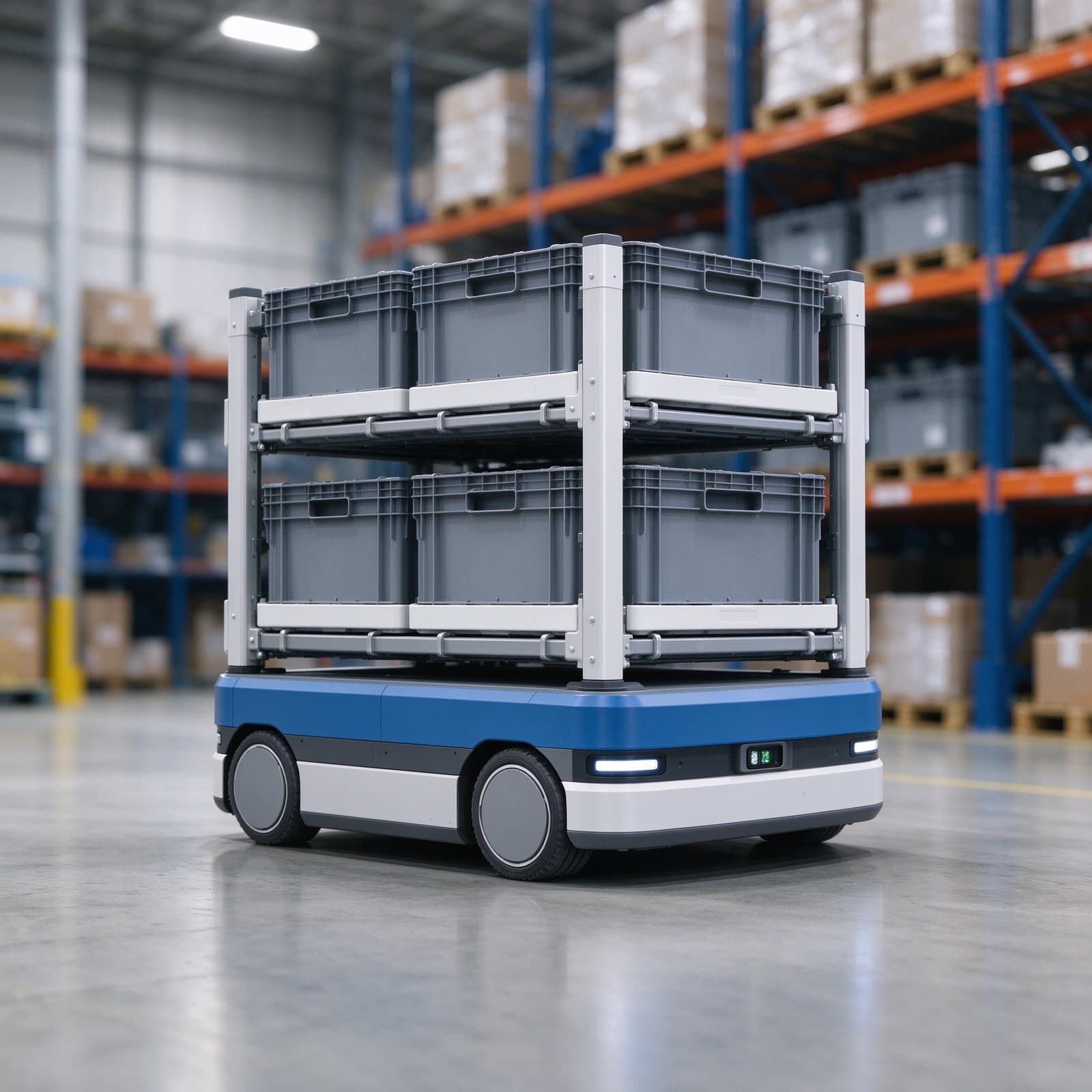
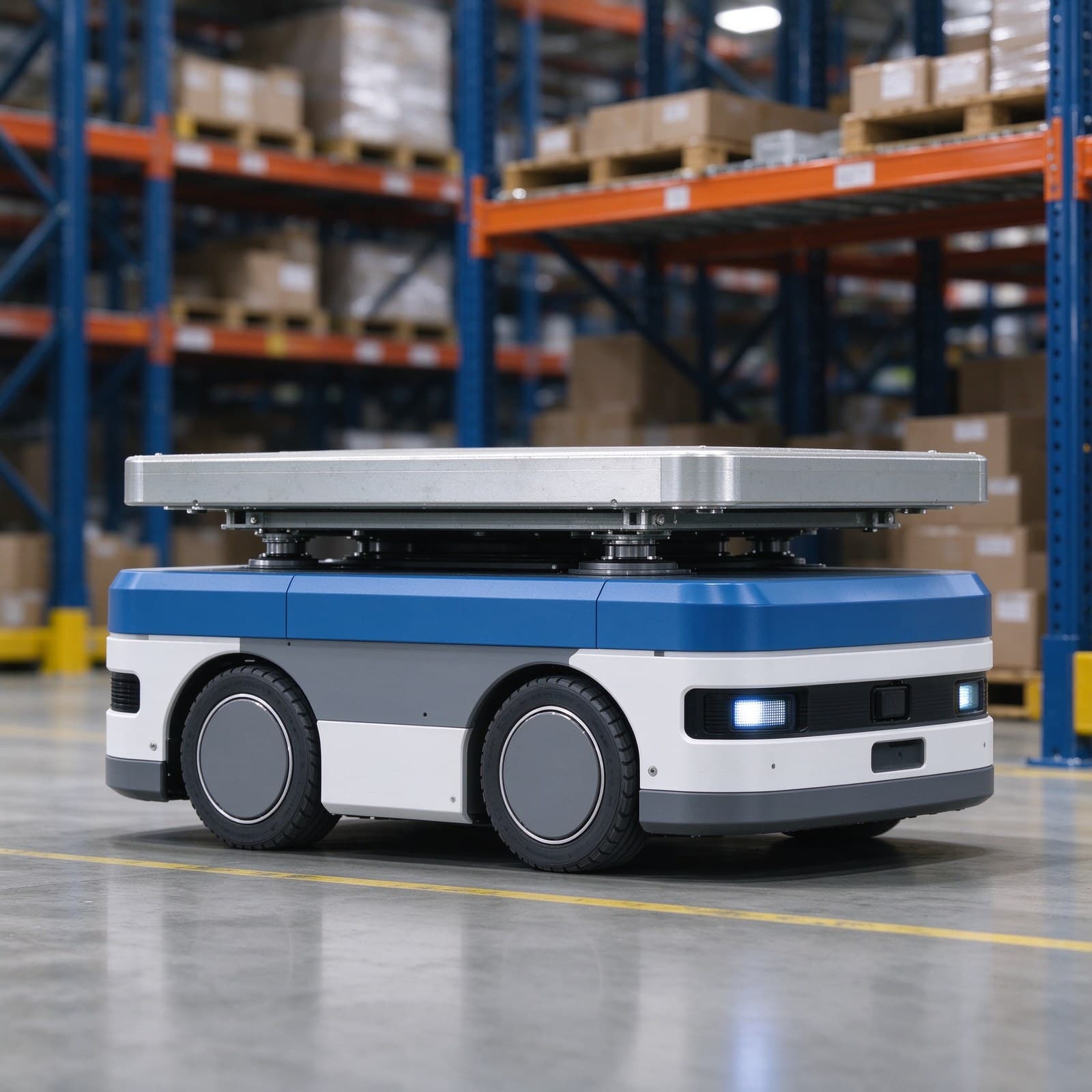
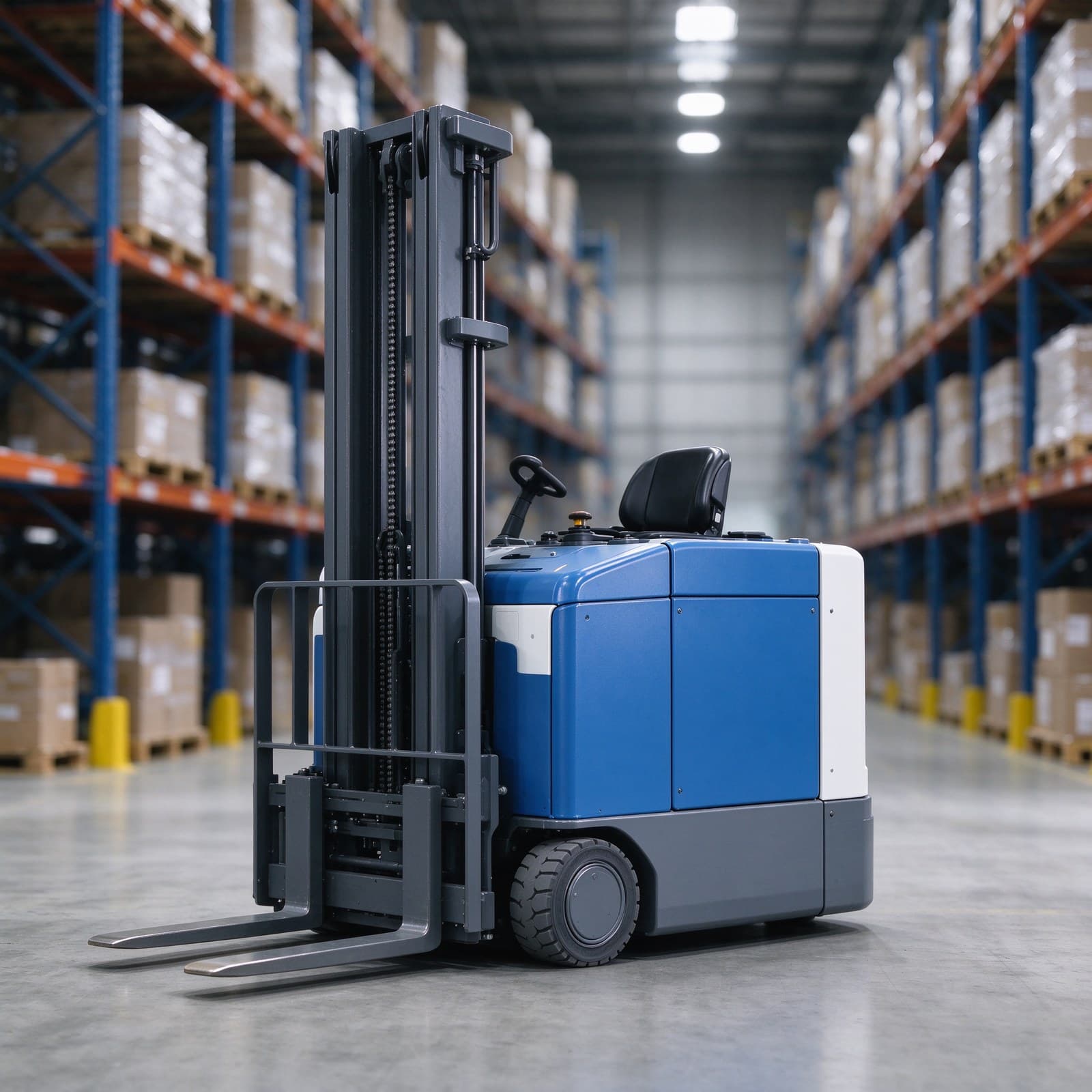
Automated Guided Vehicles (AGVs) are transforming warehouse operations worldwide, but when multiple AGVs share the same floor, collision risks threaten efficiency, safety, and equipment lifespan. If you're wondering how to avoid collision between two AGVs in your facility, the answer lies in combining smart sensors, intelligent software, and standardized protocols. Let's explore the most effective strategies to keep your AGV fleet running smoothly.
1. Pre-Collision Detection Systems
The foundation of collision avoidance starts with robust detection hardware. Modern AGVs use a combination of sensors to detect obstacles early: LiDAR systems provide 360-degree coverage up to 30 meters, identifying static and moving objects in real time; 2D/3D cameras capture visual data to recognize pallets, racks, and even humans; ultrasonic sensors fill gaps in low-light or dusty environments. For warehouse AGVs, choose sensors with adjustable detection ranges—for example, setting a 5-meter warning zone for high-speed corridors and 2 meters for tight turns.
2. Dynamic Path Planning & Routing Algorithms
Even the best sensors won't help if AGVs take conflicting routes. Advanced AGV fleets use AI-powered dynamic path planning to avoid collisions before they happen. Algorithms map real-time positions of all AGVs, adjust paths to avoid deadlocks, and prioritize traffic flow—for instance, pausing one AGV for 10 seconds to let another pass a narrow aisle. Software like SLAM (Simultaneous Localization and Mapping) enables AGVs to update paths autonomously as new obstacles (like a parked forklift) appear.
3. Standardized Traffic Rules & Zoning
Treat your warehouse floor like a mini city: designate one-way corridors, mark pedestrian zones with clear signage, and implement virtual traffic lights at intersections. AGVs can be programmed to follow traffic rules—stopping at stop signs, yielding to pedestrians, and lining up in designated waiting areas. For high-traffic zones, create dedicated lanes for different AGV types (e.g., pallet movers vs. forklifts) to reduce conflict. Many facilities also use zoning software to limit AGV speeds in high-risk areas like loading docks.
4. Speed Limits & Safety Curves
Slow and steady wins the race for collision prevention. Program AGVs with dynamic speed limits—for example, max speed 1 m/s in open corridors and 0.3 m/s near intersections. Use safety curves to calculate safe stopping distances: an AGV carrying a 1-ton load needs longer to brake than an empty one. Additionally, install physical speed bumps in high-traffic areas and configure AGVs to automatically slow down when entering these zones.
5. Regular Maintenance & Software Updates
Technology alone isn't enough—maintenance keeps systems reliable. Schedule monthly sensor calibrations to ensure LiDAR and cameras align correctly; check for loose wiring or damaged bumpers that could trigger false stops. Update AGV firmware quarterly to fix bugs, improve collision detection algorithms, and add new features (like better obstacle recognition for pallets). For warehouses with 10+ AGVs, invest in a fleet management system that logs all near-misses and collision incidents—use this data to refine your avoidance strategies over time.
Mastering how to avoid collision between two AGVs is not just about technology—it's about integrating sensors, software, and process into a cohesive safety plan. Whether you're scaling your warehouse fleet or automating a factory floor, these strategies will keep your AGVs efficient and your operations safe.
If you're looking for a reliable AGV supplier from China, feel free to contact us for a customized solution tailored to your facility's needs. We offer end-to-end support from system design to ongoing maintenance.