

Understanding Industry 4.0 AGV Application
Industry 4.0 AGV application refers to the integration of intelligent, autonomous mobile robots into manufacturing and intralogistics operations. If you are evaluating whether these systems are right for your facility, the core question is not just about the technology—it is about return on investment and operational compatibility. Unlike traditional conveyor belts or rail-guided carts, modern automated guided vehicles (AGVs) leverage AI-driven navigation, seamless ERP/MES integration, and real-time fleet management to deliver measurable results. In this guide, we break down how Industry 4.0 AGVs work, their key types, and how to select the right solution for your factory.
What is an Industry 4.0 AGV?
At its core, an Industry 4.0-compatible AGV is an autonomous mobile robot designed to transport materials without human intervention. These systems operate using advanced navigation technologies, including LiDAR, SLAM (Simultaneous Localization and Mapping), and magnetic tape or QR codes. Unlike legacy systems that follow rigid, fixed paths, modern AGVs can dynamically reroute around obstacles, adapt to changing floor layouts, and communicate bidirectionally with other machinery. This makes them an ideal Industry 4.0 AGV application solution for flexible manufacturing environments where efficiency, traceability, and safety are top priorities.
Types of AGVs for Manufacturing and Warehousing
The right AGV type depends entirely on your material handling requirements. Here are the most common variants used in Industry 4.0 facilities:
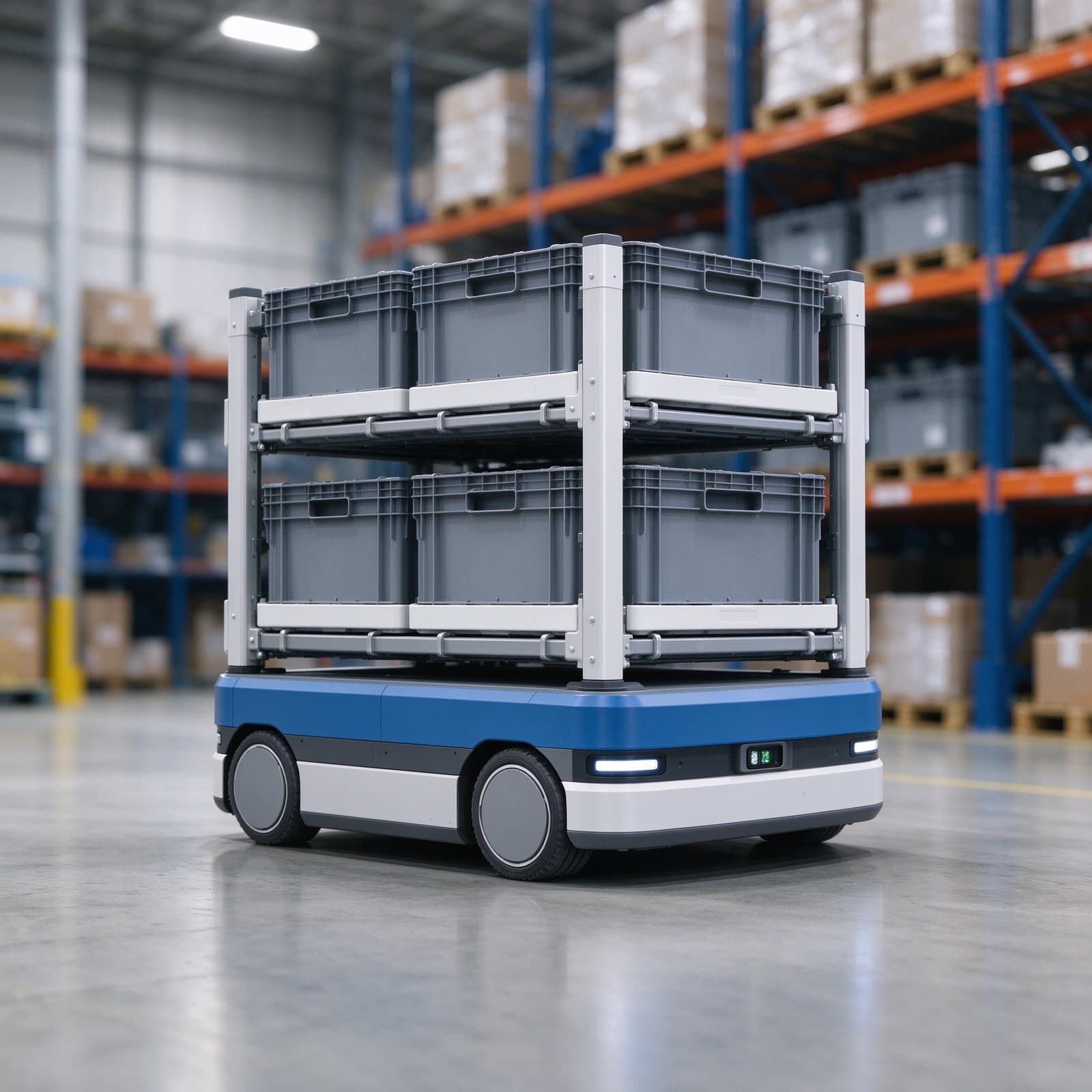
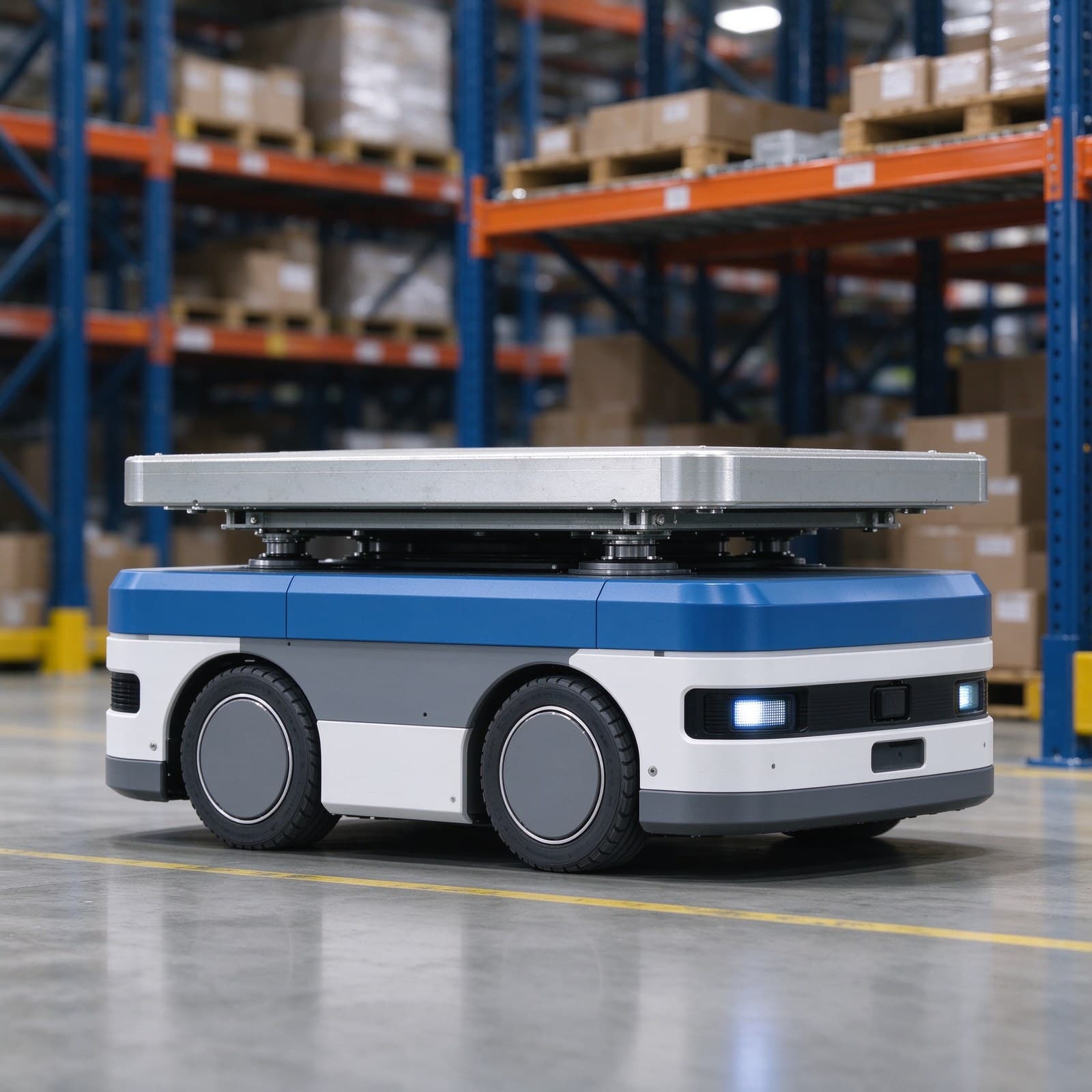
- Latent AGVs: These robots lift and carry pallets or carts from beneath, making them perfect for automated warehouse replenishment and shop floor material delivery.
- Towing AGVs: Designed to pull heavy trailers or carts, these are essential for moving raw materials across large factory floors.
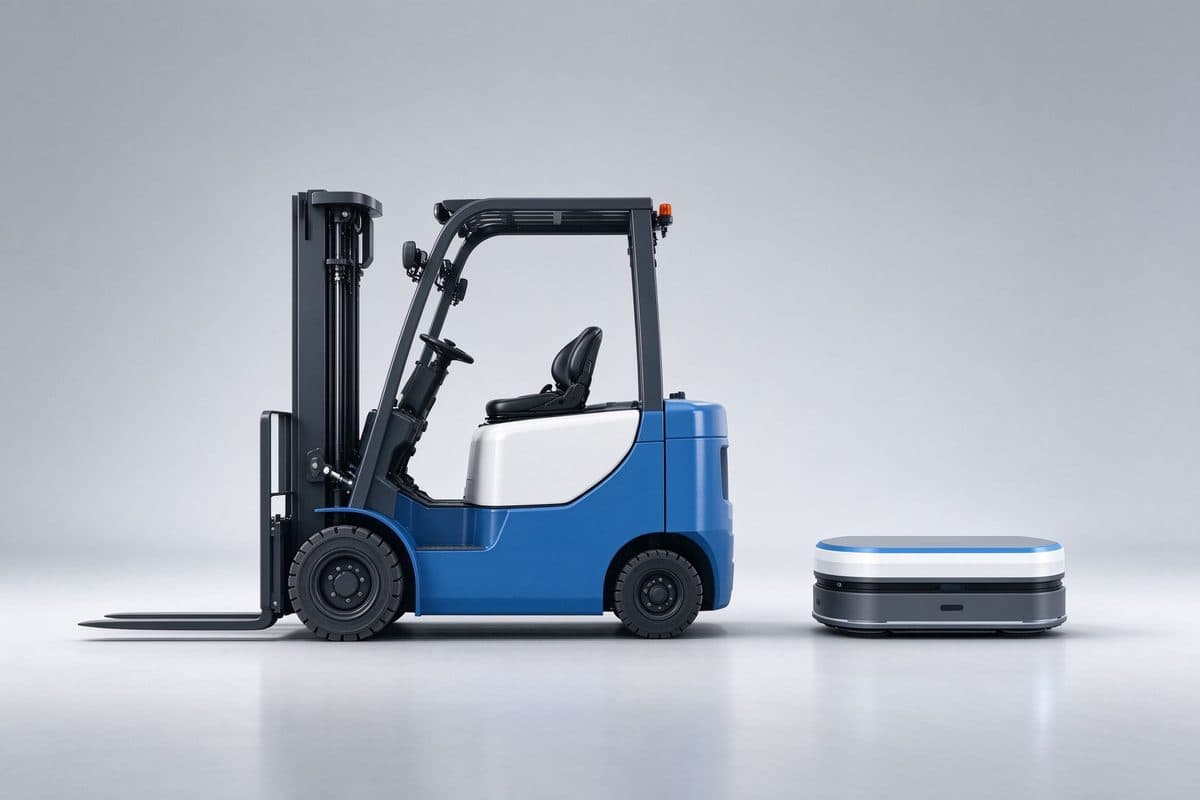
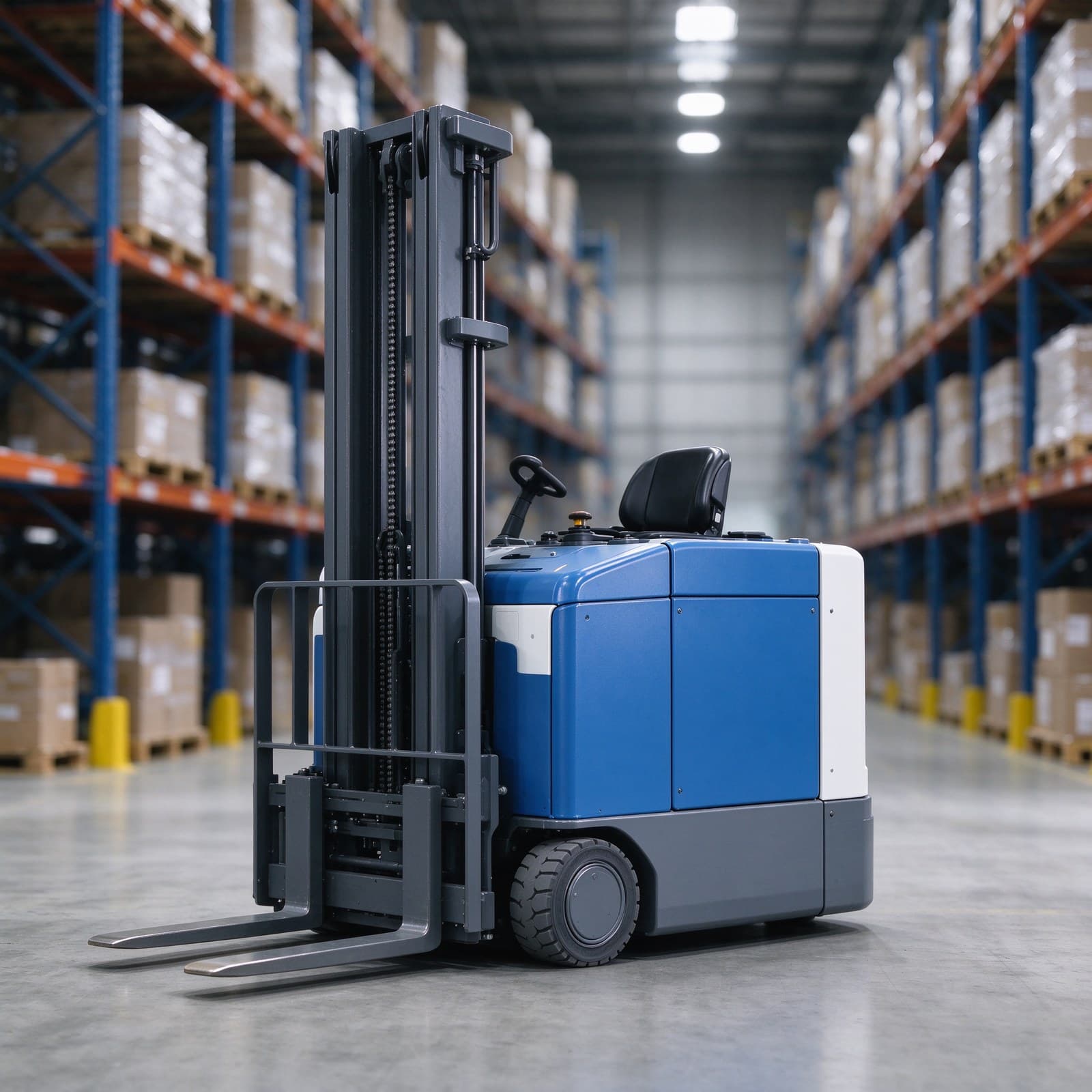
- Forklift AGVs: Fully automated versions of traditional forklifts, capable of lifting and stacking loads up to 2 tons, ideal for container loading and rack storage.
- Omnidirectional AGVs: Featuring mecanum wheels, these units can move in any direction, offering unmatched flexibility in tight, congested production lines.
Each type serves a unique purpose, and many modern deployments integrate multiple types to create a hybrid, end-to-end autonomous mobile robots for factories ecosystem.
Key Advantages of Industry 4.0 AGV Application
Implementing Industry 4.0 AGVs offers transformative benefits that directly impact productivity, safety, and cost efficiency:
- Higher Return on Investment (ROI): By eliminating labor costs, reducing material damage, and enabling 24/7 operations, AGVs typically deliver payback within 1.5 to 3 years.
- Operational Flexibility: Unlike fixed conveyors, AGVs can be reprogrammed to adapt to new production lines or product mixes with minimal downtime.
How to Choose the Right AGV Solution
Selecting the optimal Industry 4.0 AGV system requires balancing technical specifications with operational needs. Follow this structured approach:
- Evaluate Supplier Capabilities: Partner with vendors offering end-to-end support, including on-site training, 24/7 maintenance, and guaranteed uptime. Request reference sites and performance data.
- Calculate ROI Metrics: Compare total investment (hardware, software, installation) against annual savings in labor, reduced downtime, and increased throughput. Target a 3-year payback period.
- Match Navigation to Environment: Choose LiDAR SLAM for dynamic, high-density floors; magnetic tape for cost-sensitive, fixed-path applications; or QR code navigation for high-precision routes.
- Prioritize Software Integration: Ensure the AGV fleet management software (e.g., MiR Fleet) integrates seamlessly with your existing ERP, WMS, and MES systems.
A successful Industry 4.0 AGV application project requires meticulous planning, from route optimization to load capacity analysis. Partner with a supplier who provides transparent data, pilot testing, and dedicated after-sales support.
Successful Industry 4.0 AGV Application Case Studies
Real-world implementations highlight the tangible benefits of integrating AGVs into manufacturing workflows:
- Automotive Manufacturing: A Tier-1 automotive supplier deployed 20 latent AGVs to transport engine components across a 50,000 m² facility. The result: a 40% reduction in manual transport labor, zero material damage incidents, and a 22-month ROI payback.
- Electronics Production: A consumer electronics factory integrated 10 omnidirectional AGVs to deliver SMT components to assembly lines. This eliminated line stoppages caused by delayed material delivery, boosting overall equipment effectiveness (OEE) by 18%.
These cases demonstrate that Industry 4.0 AGV application is not just theoretical—it delivers measurable, factory-floor impact.
Frequently Asked Questions
Q1: What is the difference between an AGV and an AMR?
A: AGVs (Automated Guided Vehicles) follow predefined paths using fixed infrastructure (magnetic tape, QR codes, or wires), while AMRs (Autonomous Mobile Robots) use onboard sensors and AI to navigate freely and dynamically, offering greater flexibility in dynamic environments.
Q2: How long does it take to see ROI from an Industry 4.0 AGV investment?
A: Most facilities see payback within 18 to 36 months, depending on labor costs, operation scale, and the complexity of integration. Standard metrics include reduced labor hours, lower material damage rates, and increased throughput.
Q3: What is the minimum order quantity for custom AGVs?
A: Lead times and minimum orders vary by supplier, but standard models are available for immediate deployment, while fully customized solutions (e.g., heavy-duty platforms, cleanroom-certified units) typically require 8-12 weeks of production and a minimum order of 2-5 units.