

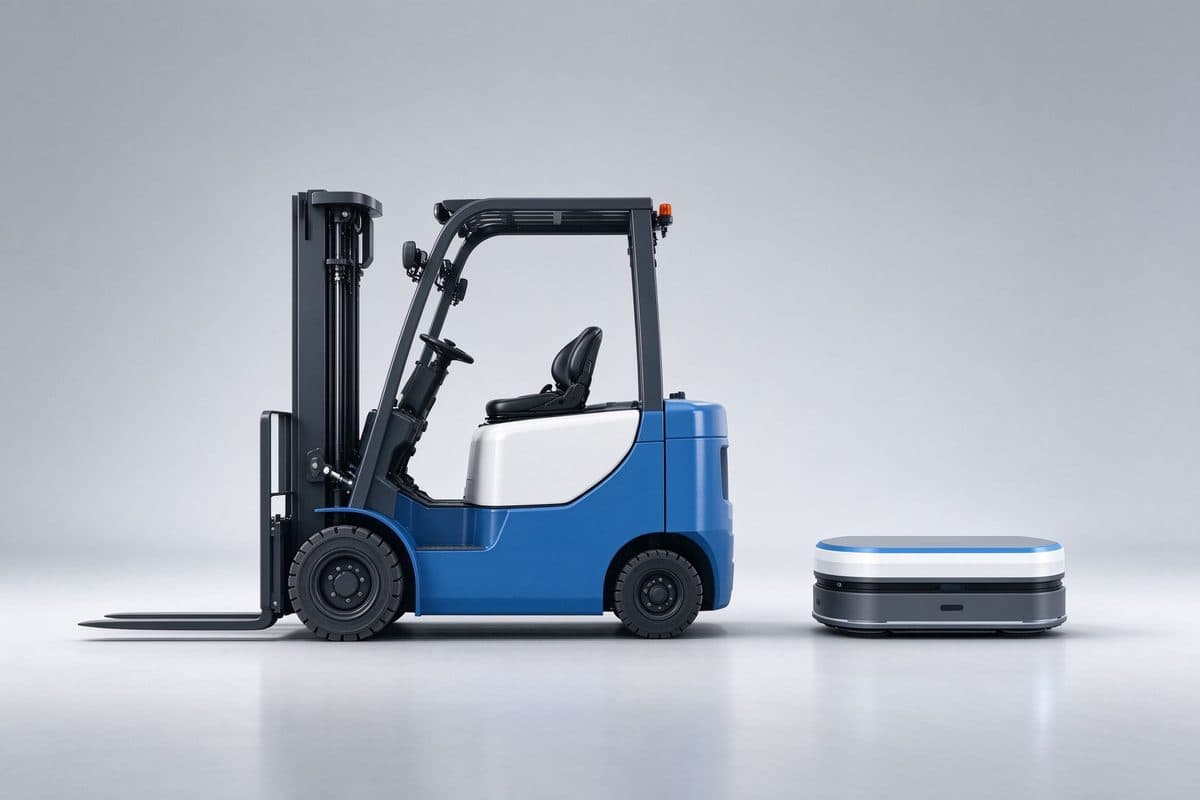
How AGV Technology Is Evolving
Automated Guided Vehicles have moved far beyond fixed magnetic tapes. Today’s advanced AGV navigation systems rely on SLAM (simultaneous localization and mapping), LiDAR sensors, and 3D vision, enabling dynamic path planning in complex warehouse environments. This evolution reduces deployment time and allows vehicles to adapt to layout changes without extensive re-engineering.
For procurement managers, understanding these technological shifts is critical. A modern automated material handling solution must integrate with WMS/ERP platforms via standardized APIs like VDA 5050, ensuring seamless fleet orchestration and data transparency across operations.
Key Trends Shaping AGV Industry Development
- AI-Enhanced Fleet Intelligence: Machine learning algorithms now predict congestion before it occurs, optimizing task allocation across mixed-fleet environments.
- 5G & Edge Computing: Ultra-low latency networks support swarm robotics, enabling hundreds of vehicles to operate collaboratively in high-throughput facilities.
- Subscription-Based Deployment: “Automation-as-a-Service” models reduce upfront CAPEX, allowing manufacturers to scale operations gradually.
- Sustainability Focus: Lithium-ion powered AGVs with regenerative braking cut energy costs by 30% compared to traditional lead-acid systems.
AGV Types That Match Modern Factory Needs
Choosing the right vehicle platform depends on load type, floor conditions, and throughput requirements:
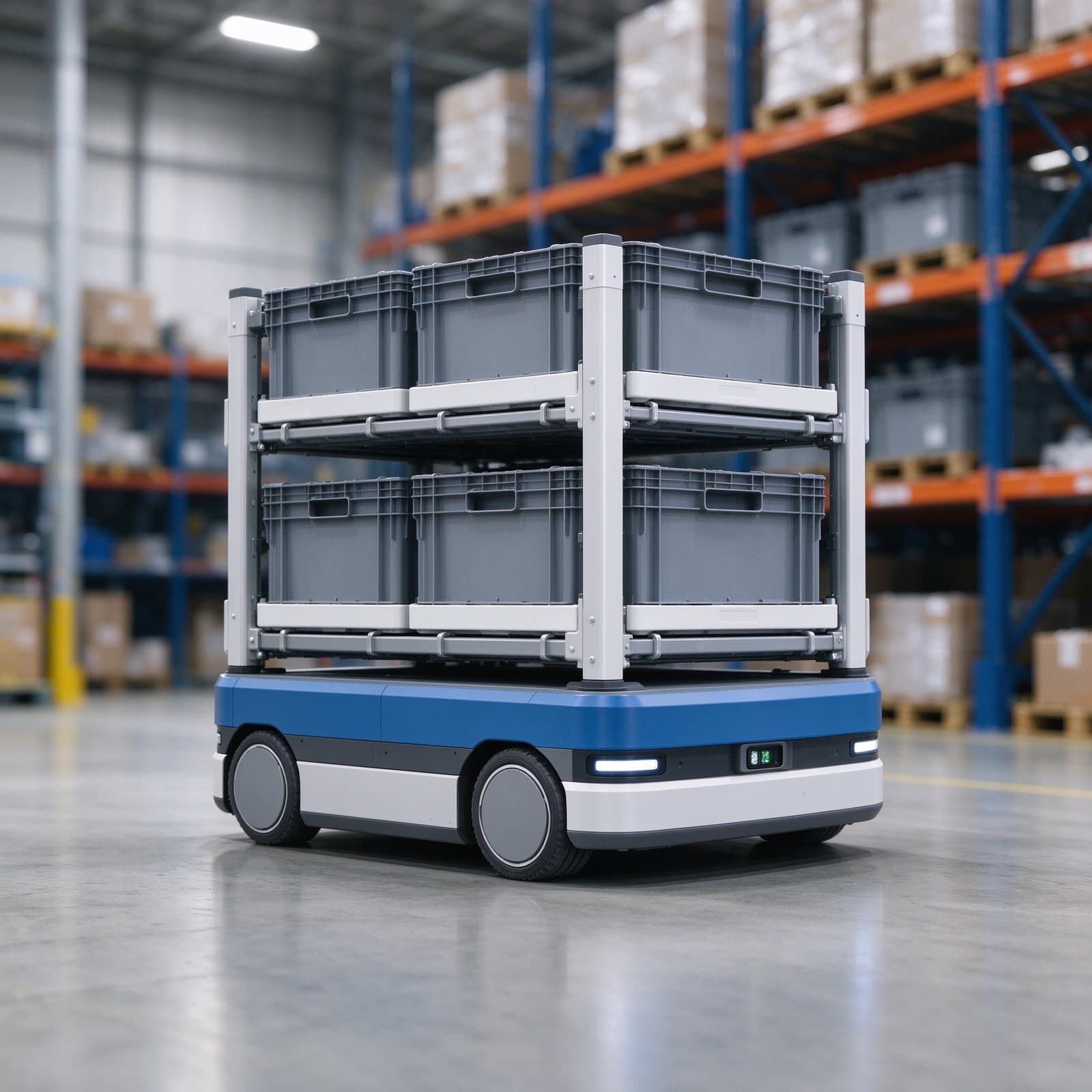
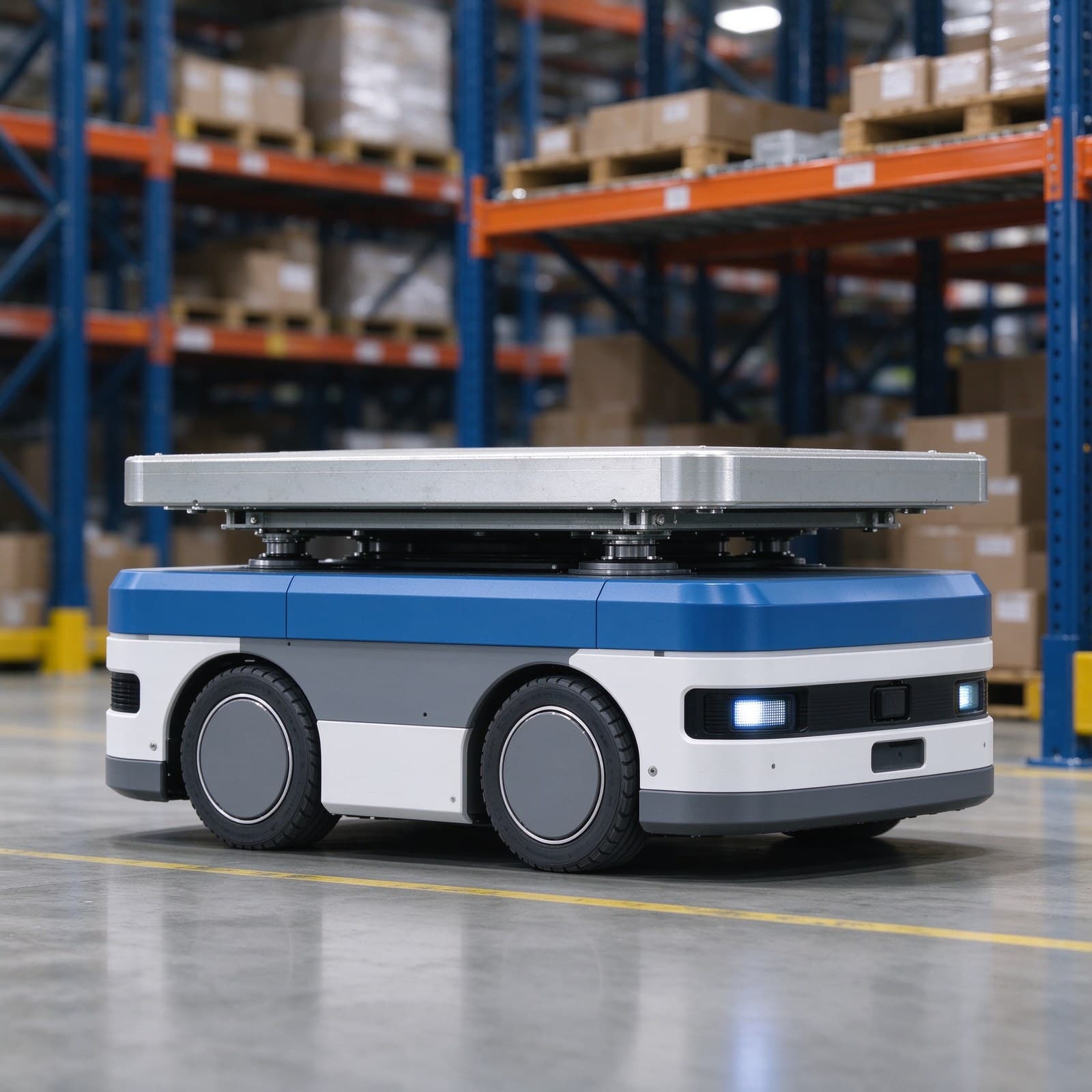
- Low-profile AGVs: Ideal for electronics assembly lines where floor space is limited.
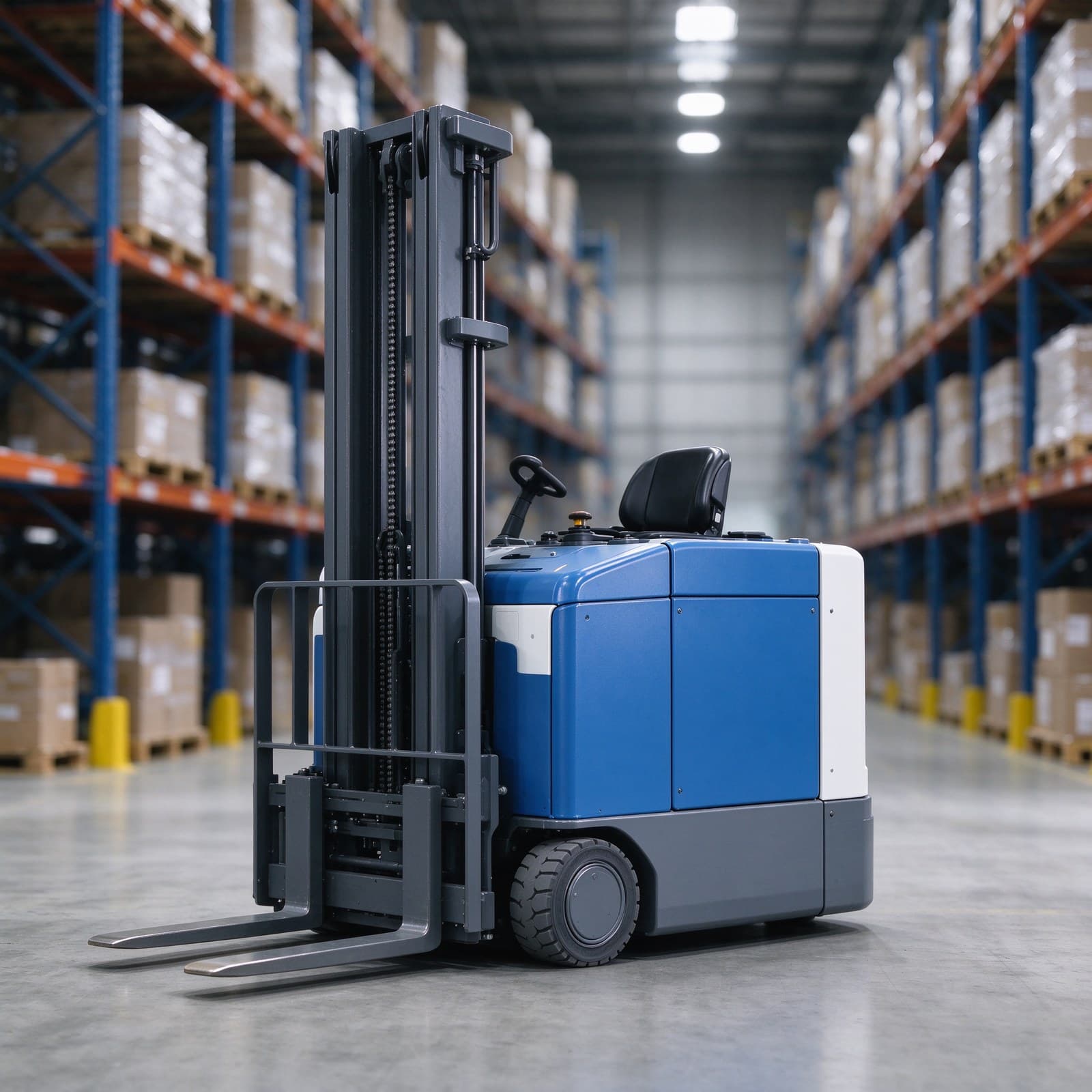
- Automated pallet trucks: Engineered for heavy-duty pallet movement in food & beverage warehouses.
- Heavy-duty AGV trolleys: Designed for automotive body shops, capable of towing 20+ tons with precision positioning.
A typical AGV industry development roadmap now emphasizes modular designs that can be reconfigured across different production lines within a single facility.
ROI Factors: Cost, Efficiency & Scalability
When evaluating suppliers, consider:
- Total Cost of Ownership (TCO): Include maintenance contracts, spare parts availability, and software update fees over a 5-year horizon.
- Scalability: Opt for platforms that support gradual fleet expansion without proprietary lock-in.
- Integration Capabilities: Verify compatibility with existing conveyor systems, elevators, and door controllers.
Industry benchmarks show that well-planned AGV system integrations deliver ROI within 18-24 months, with average labor cost reductions of 45% in repetitive material transport tasks.
Real-World Application Cases
Automotive Sector: A Tier-1 supplier deployed 42 automated pallet trucks across its painting workshop, reducing paint intermediate inventory by 60% and achieving ISO 9001 compliance through traceable material flows.
3PL Warehouses: A European logistics center implemented low-profile AGVs with automatic battery swapping stations, achieving 22-hour continuous operation and cutting order fulfillment errors from 0.8% to 0.05%.
E-Commerce Fulfillment: A Southeast Asian distributor integrated heavy-duty AGV trolleys with picking stations, reducing pick path length by 75% and increasing throughput from 800 to 3,200 orders per hour during peak seasons.
FAQs About AGV Industry Trends
Q: How do I choose between AGVs and AMRs for my warehouse?
A: AGVs follow fixed or semi-fixed paths with high repeatability, ideal for structured environments. AMRs navigate autonomously using onboard intelligence, offering flexibility for dynamic layouts. For mixed-use facilities, hybrid solutions are increasingly popular.
Q: What is the typical deployment timeline for a mid-size factory AGV system?
A: A standard 10-vehicle deployment typically requires 8-12 weeks including site survey, infrastructure preparation, vehicle configuration, and operator training. Complex integrations with legacy systems may extend this to 4-6 months.
Q: How do I ensure data security when connecting AGVs to cloud platforms?A: Implement end-to-end encryption, role-based access controls, and comply with ISO 27001 standards. Work with vendors that offer on-premise server options for sensitive manufacturing environments.