

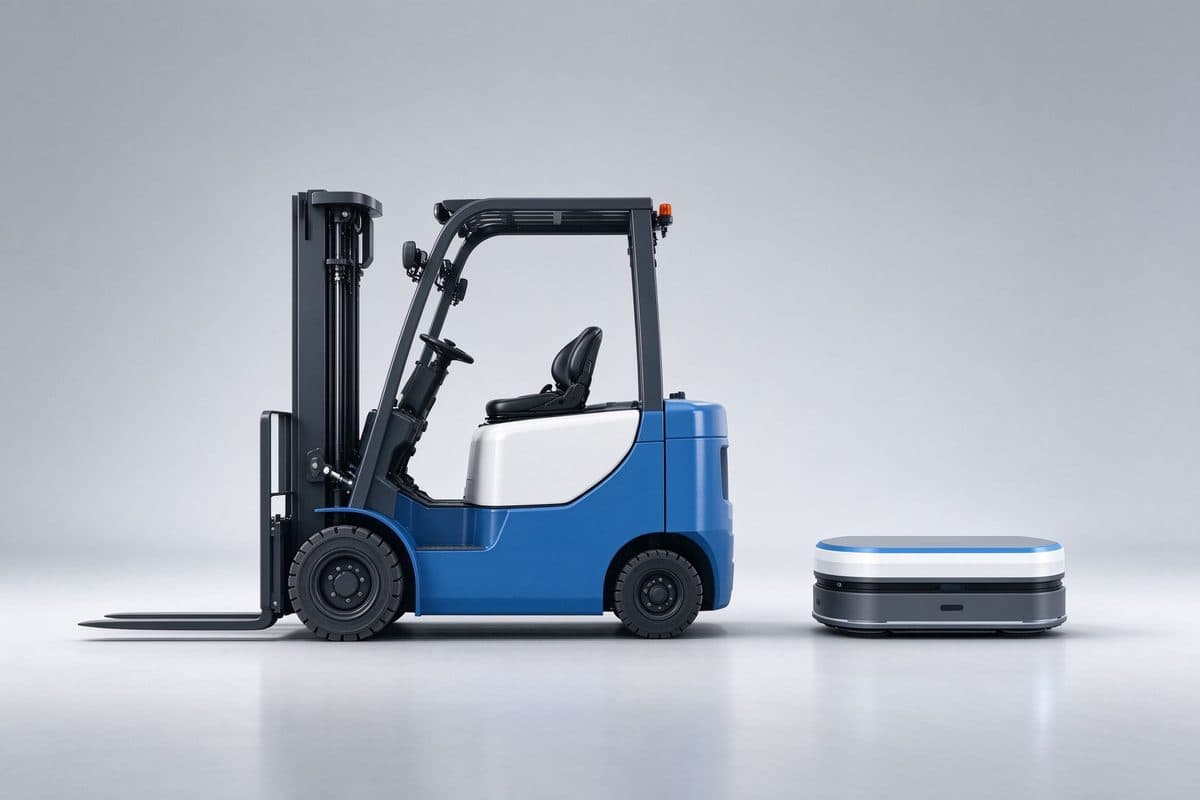
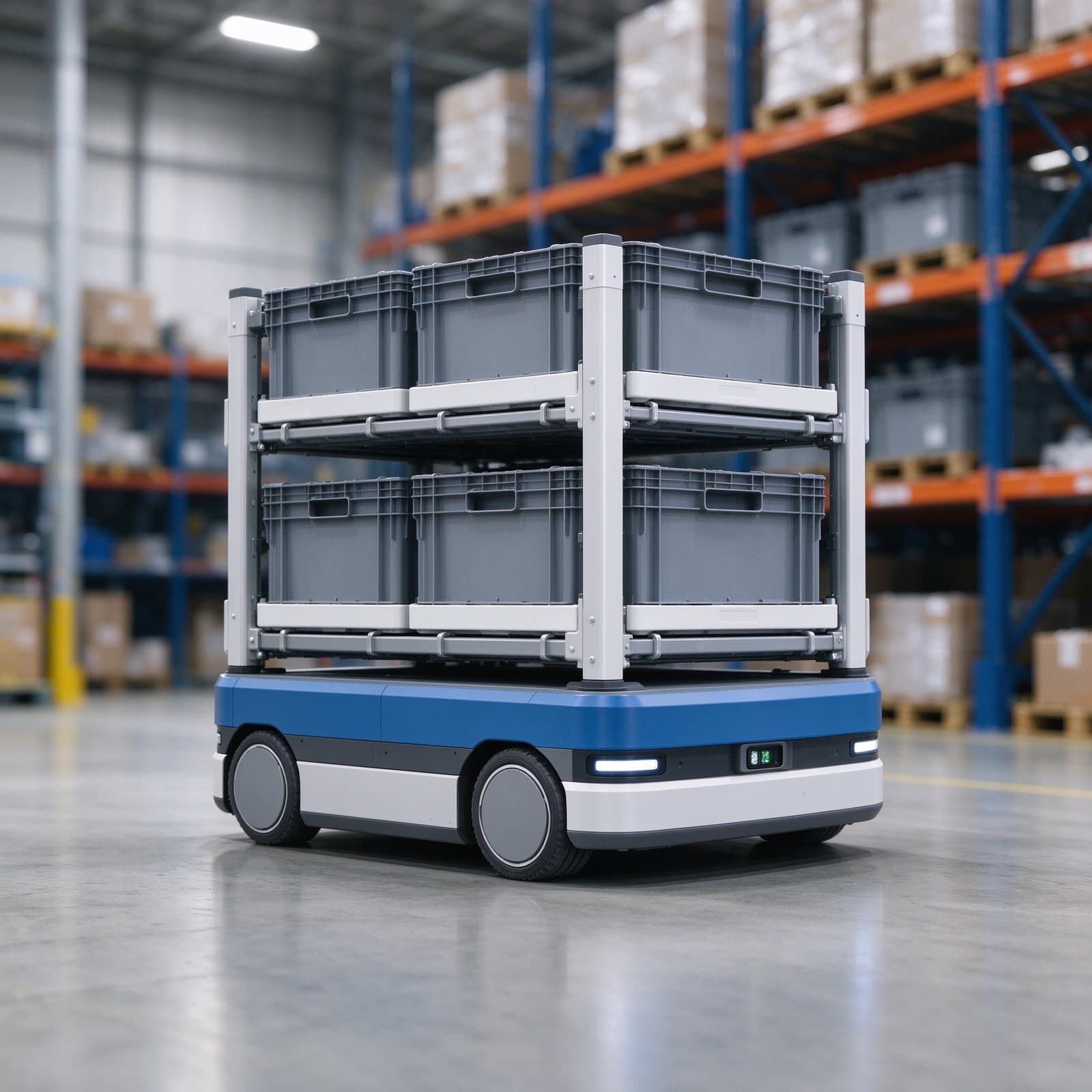
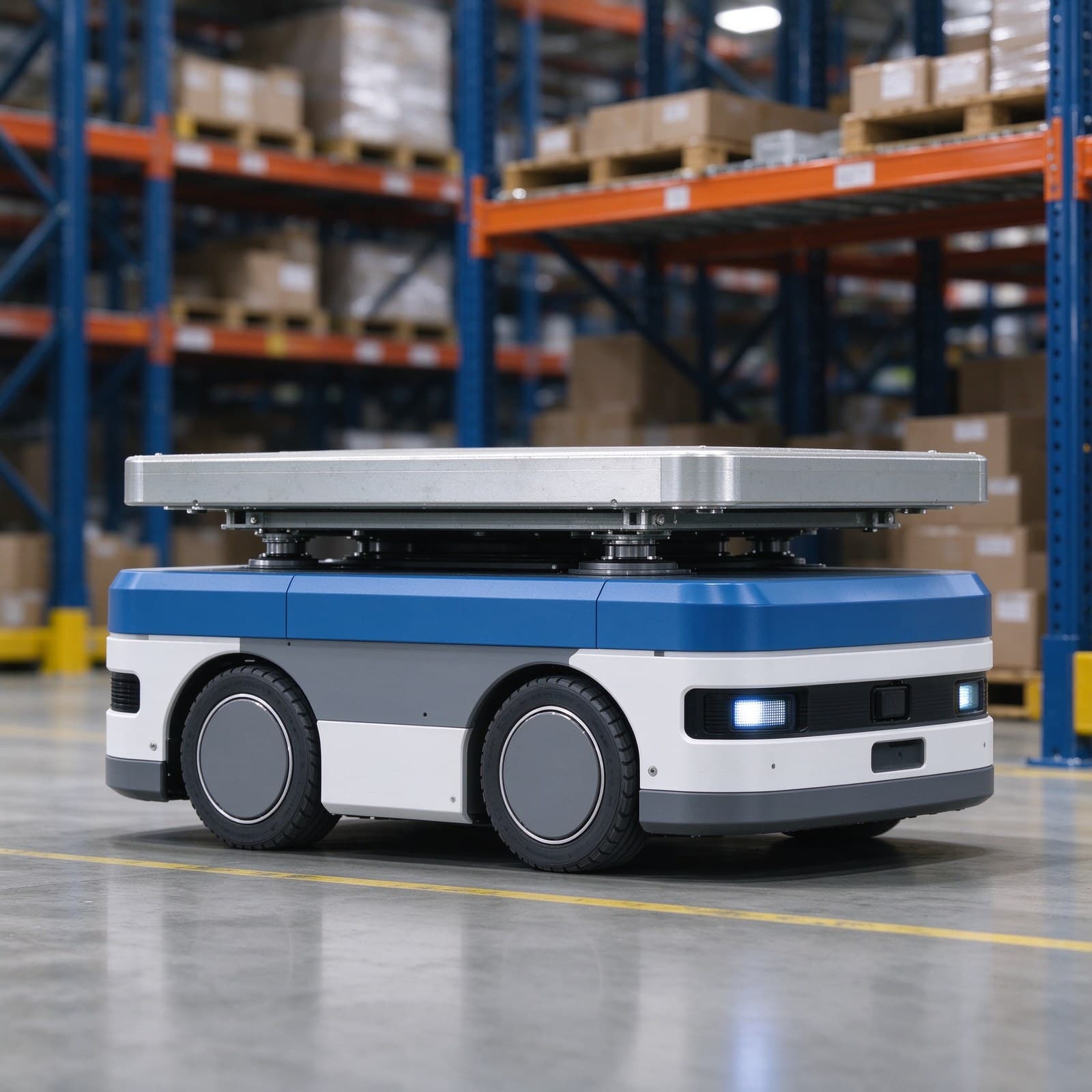
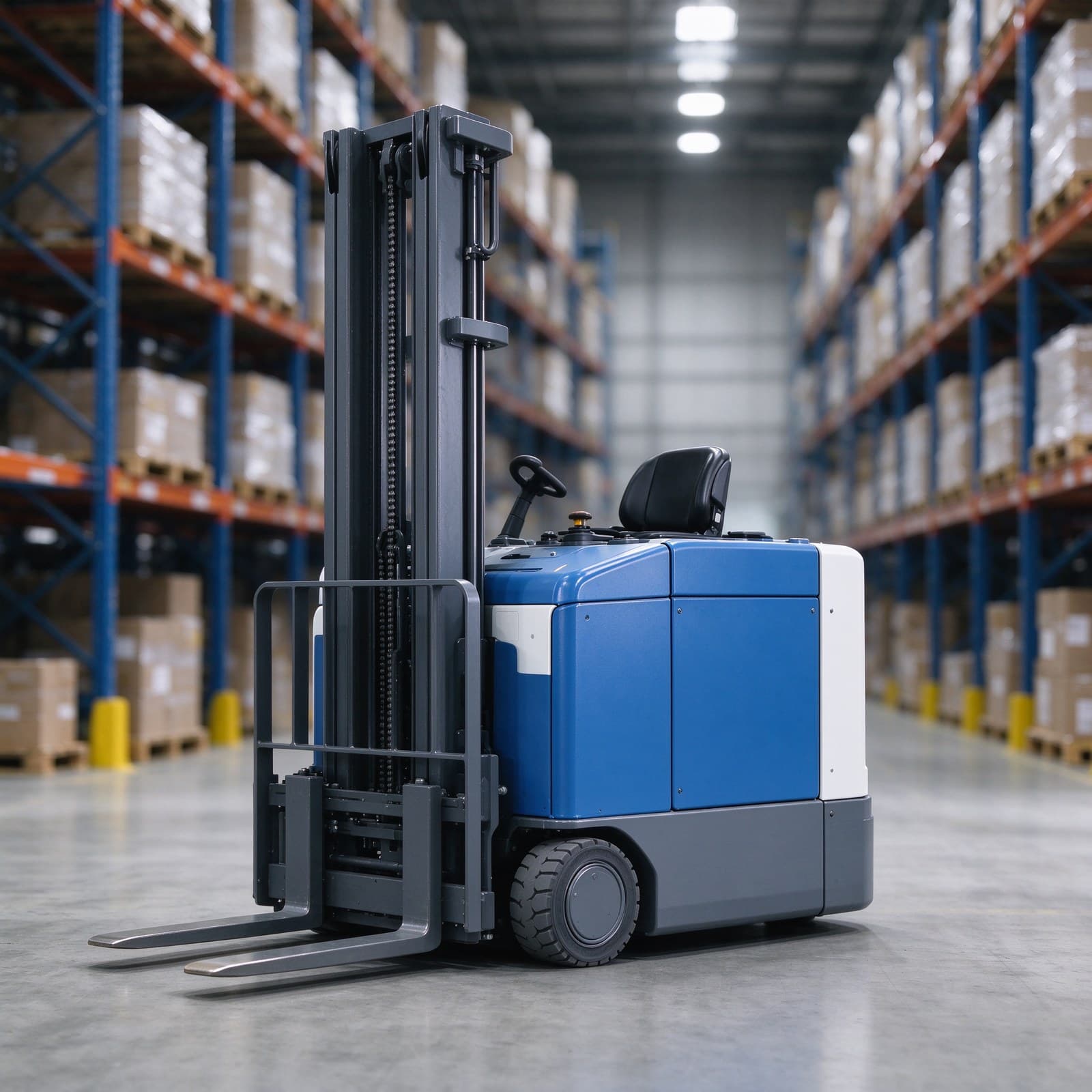
In the competitive world of industrial automation, one question increasingly dominates procurement meetings: Is an AGV forklift cheaper than a manual forklift in the long run? For factory buyers, logistics managers, and engineers evaluating warehouse automation solutions, the answer isn’t as straightforward as sticker prices suggest. Let’s break down the true costs, hidden savings, and operational impacts to help you make an informed decision.
Direct Cost Comparison: Upfront vs Long-Term
At first glance, manual forklifts appear budget-friendly. A basic electric forklift costs $10,000-$30,000, while industrial AGVs start at $50,000-$150,000. However, this comparison ignores critical factors like labor costs, maintenance expenses, and productivity gains.
Manual forklifts require skilled operators, with annual labor costs ranging from $50,000-$80,000 per driver in the U.S. and EU. Add maintenance (20% of purchase price yearly), fuel/electricity, and insurance, and total 5-year ownership costs easily reach $200,000-$500,000.
AGV forklifts, despite higher upfront costs, eliminate driver expenses entirely. Their 5-year total cost of ownership (TCO) often drops to $100,000-$300,000 when factoring in automation savings, making them 30-50% more cost-effective long-term.
Operational Efficiency: The Hidden Profit Driver
AGVs operate 24/7 without fatigue, boosting warehouse throughput by 40-60% compared to manual shifts. For example, an AGV system can reduce order fulfillment errors by 90% and cut material handling delays by 75%, directly impacting customer satisfaction and revenue.
Manual forklifts, conversely, suffer from downtime (10-15% annually), operator turnover, and inconsistent workflows. Companies using AGVs report 45% less warehouse space wasted on forklift aisles, optimizing storage density and reducing rent costs.
Scalability and Adaptability
AGV systems scale effortlessly—adding units costs 30-50% less than hiring new operators. They integrate seamlessly with WMS/ERP systems, enabling real-time inventory tracking and predictive maintenance. Manual forklifts lack this digital integration, requiring costly manual data entry and limiting scalability.
For hybrid operations, AGV forklift rental models let businesses test automation with minimal risk. Many Chinese suppliers now offer pay-per-use schemes, making AGV adoption accessible even for small warehouses.
Case Study: Automotive Parts Manufacturer
A German automotive supplier replaced 12 manual forklifts with 8 AGVs, achieving:
- 200% ROI in 2.8 years
- $2.1M annual labor savings
- 35% faster material deliveries
- Near-zero workplace accidents
Key Decision Factors
- Throughput needs: AGVs shine in high-volume, repetitive tasks
- Facility size: Larger warehouses benefit more from AGV efficiency
- Labor costs: In regions with $15+/hour wages, AGVs pay back faster
- Technology readiness: Existing WMS integration reduces AGV deployment costs
Final Verdict
While manual forklifts suit low-budget, low-volume operations, AGVs deliver measurable savings for scalable, data-driven businesses. The future belongs to smart logistics—where automation isn’t just about cost reduction, but strategic advantage.
If you’re planning to upgrade your material handling system, our team specializes in cost-effective AGV solutions tailored to your warehouse layout and throughput goals. Request a free ROI analysis today.
FAQ Schema
{"@context": "https://schema.org", "@type": "FAQPage", "mainEntity": [{"@type": "Question", "name": "What’s the average AGV payback period?", "acceptedAnswer": {"@type": "Answer", "text": "Industrial AGVs typically break even in 1.5-3 years, depending on labor costs and utilization rates."}}, {"@type": "Question", "name": "Can AGVs work in cold storage?", "acceptedAnswer": {"@type": "Answer", "text": "Yes, our AGV forklifts operate in -20°C environments with specialized battery systems."}}, {"@type": "Question", "name": "Are AGVs suitable for small factories?", "acceptedAnswer": {"@type": "Answer", "text": "Compact AGV models serve facilities under 5,000m², with rental options reducing upfront costs by 60%."}}]}