

AGV System Design and Development: A Complete Guide for Buyers
As factories worldwide increasingly adopt automation to streamline operations, more buyers are exploring whether an Automated Guided Vehicle (AGV) system can deliver the efficiency gains they need. If you are evaluating automated material handling for your facility, this guide breaks down the essentials of AGV system design and development—from core components and engineering workflows to real-world benefits and deployment best practices. We will also address key questions buyers often ask during sourcing, such as how to select the right AGV for your environment, what to expect from AGV system integration, and how to ensure long-term reliability. By the end, you will have a clear framework to make informed decisions and choose a solution that aligns with your operational goals.
Key Components of AGV System Design
AGV system design centers on integrating hardware, software, and infrastructure to enable autonomous material movement. The foundation lies in navigation technologies, which determine how an AGV understands its environment. Common navigation types include magnetic tape (low-cost but fixed), laser SLAM (high accuracy and flexible), and 2D/3D vision-based systems (ideal for dynamic spaces). Each type trades off between setup complexity, adaptability, and cost—buyers should match navigation to their facility’s layout and future needs.
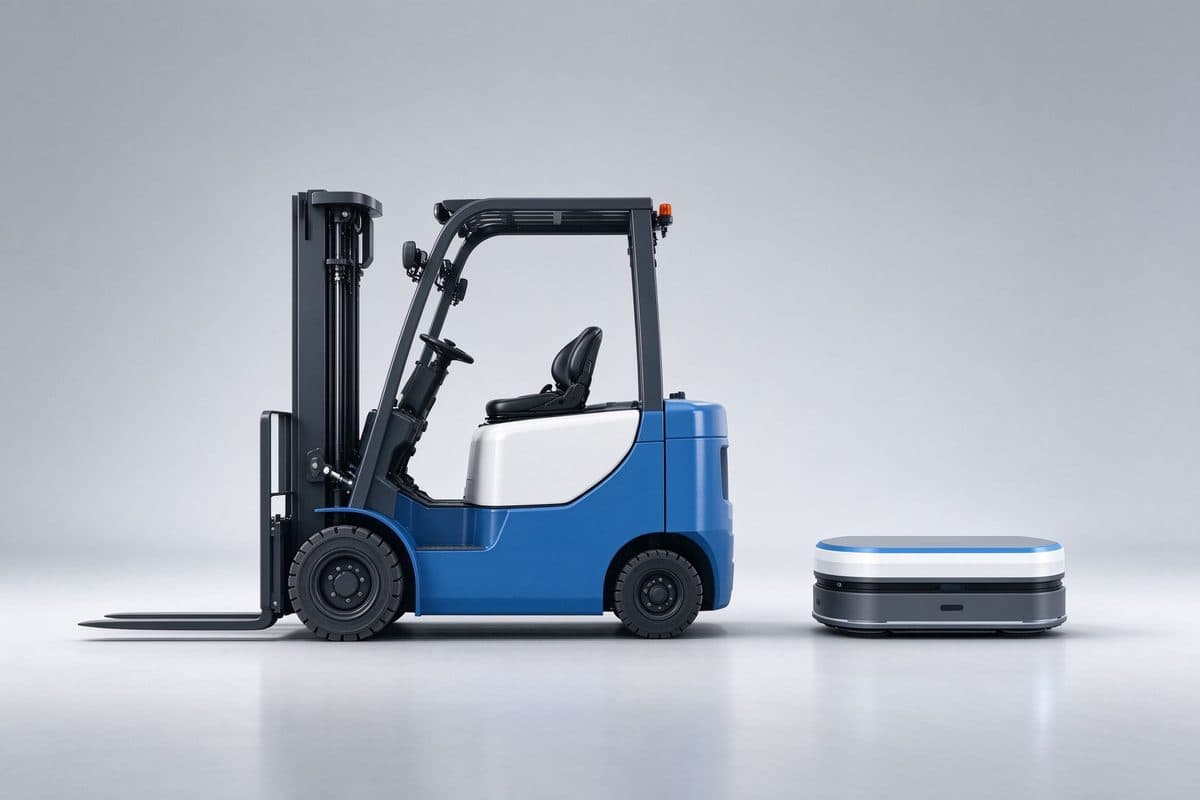
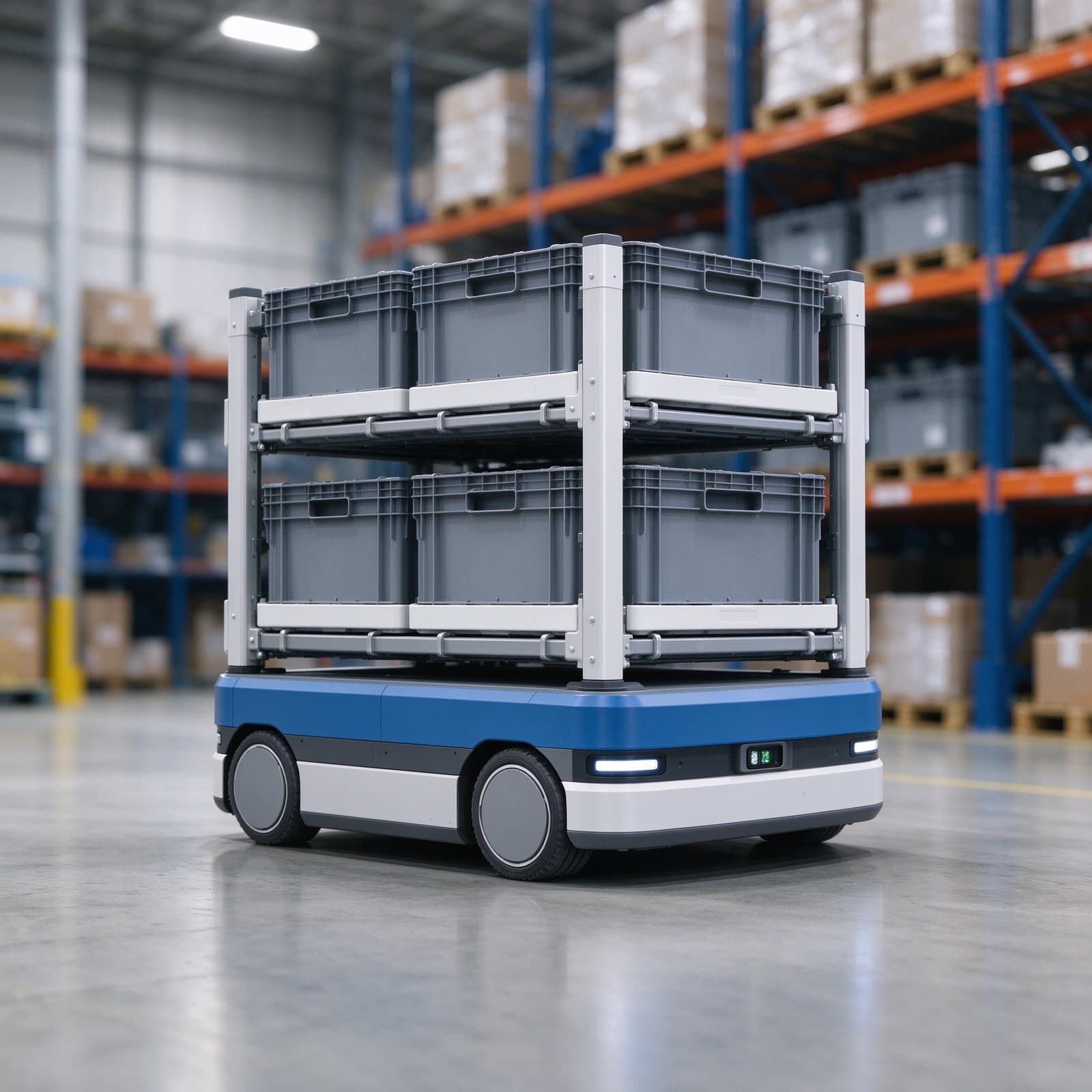
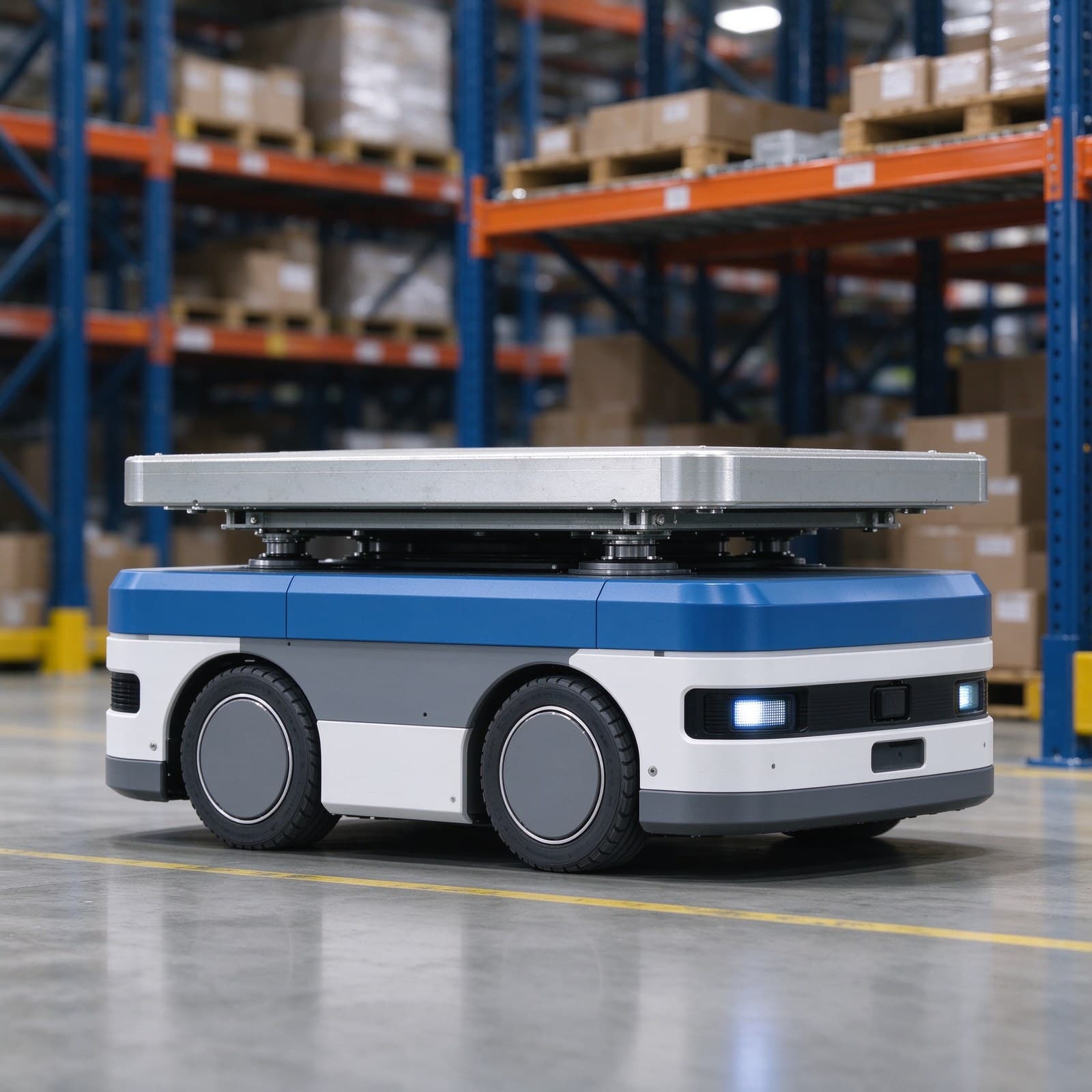
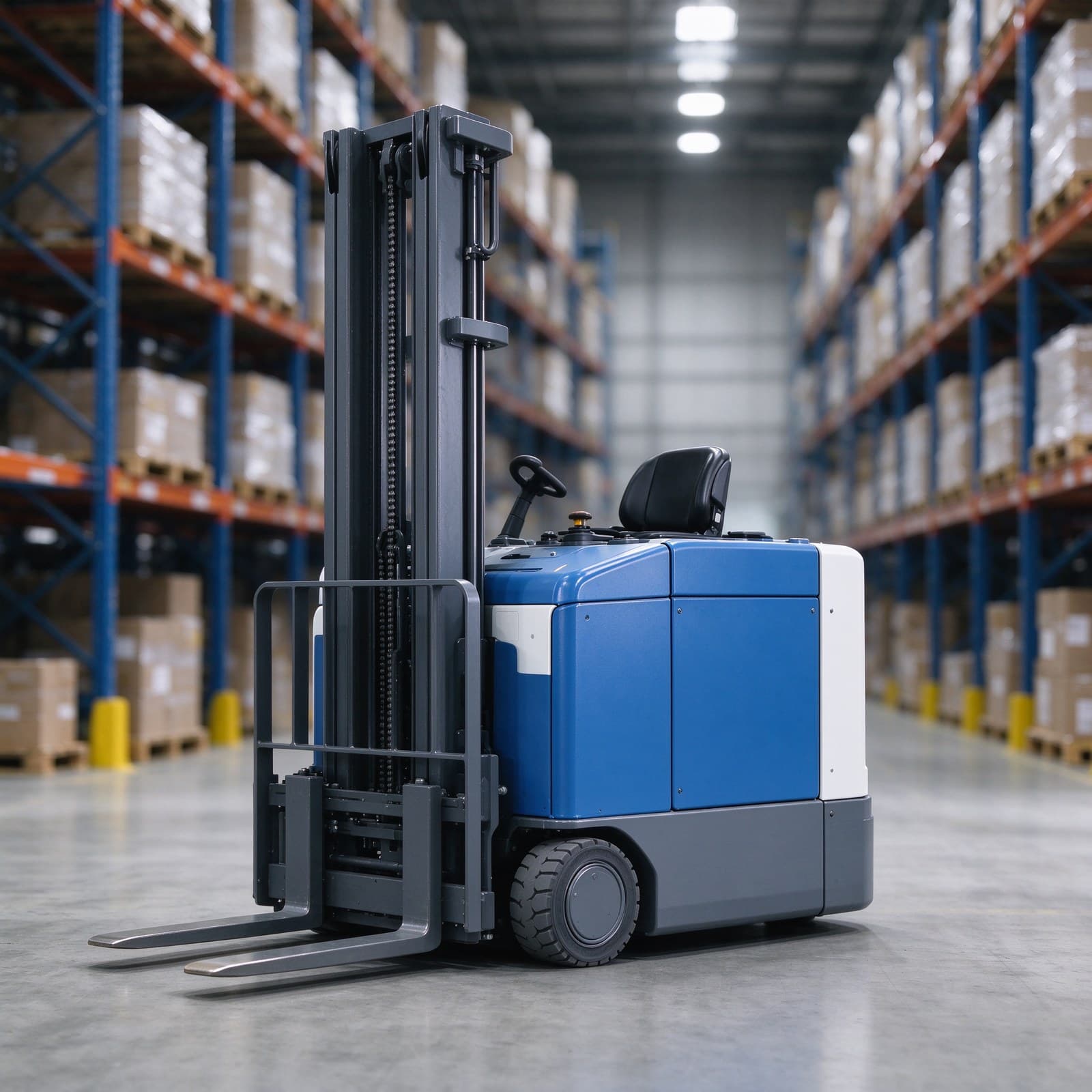
The vehicle itself is tailored to the application. AGVs range from forklift-style units for pallet handling to tow tractors for long-distance hauling, and unit-load carriers for shelf-to-shelf transport. Key specifications like load capacity (from 50kg to over 1,500kg), speed, and battery type (e.g., lithium-ion for fast charging) must align with daily throughput requirements.
The control system acts as the AGV’s “brain.” A master control system (MCS) coordinates vehicle tasks, integrates with warehouse management systems (WMS) or enterprise resource planning (ERP) software, and optimizes routes dynamically. Safety features are non-negotiable: proximity sensors, emergency stop buttons, and zone monitoring prevent collisions and protect personnel.
Critical Steps in AGV System Development
AGV system development is a phased process that ensures the solution fits both current needs and future scalability. The first step is requirement analysis, where engineers assess facility layout, material flow volumes, operating hours, and integration points with existing equipment (e.g., conveyors or production lines).
Next comes system architecture design, defining vehicle specifications, navigation logic, and software interfaces. For example, a factory with frequent layout changes might prioritize SLAM-based AGVs over magnetic tape systems. Control system development follows, focusing on task scheduling algorithms and real-time monitoring interfaces.
Prototyping and testing are crucial to validate performance. Engineers conduct simulations to identify potential bottlenecks, then deploy prototypes in a controlled environment to refine navigation accuracy, obstacle avoidance, and battery life. Finally, system integration and on-site commissioning ensure seamless alignment with facility operations, including staff training and safety protocol development.
Benefits of AGV System Design and Development
Investing in a well-designed AGV system delivers measurable returns. Automated material handling reduces labor costs by minimizing manual tasks like carrying and sorting, while 24/7 operation boosts throughput. Accuracy improves as AGVs eliminate human errors in pick-and-place tasks, leading to fewer inventory discrepancies.
Safety is another key advantage: AGVs with sensors and zone monitoring reduce workplace accidents, lowering liability and insurance costs. Scalability is built into modular designs—buyers can add more vehicles or upgrade navigation software as production grows, avoiding costly retrofits.
For example, a automotive parts manufacturer deployed AGVs to transport engine blocks between assembly lines, cutting delivery time by 30% and reducing material handling labor by 25%. In e-commerce warehouses, AGVs streamline order fulfillment, enabling faster delivery and improving customer satisfaction.
Best Practices for AGV System Selection
When sourcing an AGV system, buyers should prioritize vendors with proven expertise in AGV system development. Evaluate the vendor’s track record in similar industries (e.g., food and beverage, pharmaceuticals) and their ability to customize solutions.
Conduct a thorough facility assessment before purchase. Consider factors like floor condition, temperature, and narrow passages, which may require specialized AGV designs. Evaluate the vendor’s support services, including installation, maintenance, and software updates, to ensure long-term reliability.
Finally, request references and case studies to validate real-world performance. A reliable vendor will provide data on uptime, energy efficiency, and ROI, helping buyers make informed decisions.
Conclusion
AGV system design and development is a strategic investment that can transform material handling efficiency, safety, and scalability. By understanding key components, development workflows, and best practices, buyers can select solutions that align with their operational goals and deliver long-term value.
If you are looking for a reliable AGV supplier from China, feel free to contact us for a customized solution tailored to your facility’s needs. Our team of experts will guide you through every step, from initial assessment to on-site deployment, ensuring a seamless and successful implementation.
FAQ
Q1: How long does it take to design and develop an AGV system?
A: The timeline varies based on complexity. For a standard warehouse AGV system, design and development may take 3-6 months. Custom solutions for manufacturing facilities or complex layouts can take 6-12 months, including testing and integration.
Q2: What is the cost of AGV system design and development?
A: Cost depends on vehicle type, navigation technology, and integration scope. A basic 10-AGV system for a small warehouse may cost $50,000-$100,000, while large-scale industrial systems can exceed $500,000. Key factors include vehicle cost, software development, and installation.
Q3: Can AGV systems work in outdoor environments?
A: Yes, but outdoor AGVs require weatherproof designs (e.g., IP65-rated enclosures) and more robust navigation systems. LiDAR and GPS-based systems are often used to handle outdoor conditions like rain or uneven terrain.