

In today's rapidly evolving manufacturing and logistics landscape, automatic guided vehicle agv factory systems have become a cornerstone of smart operations. If you are a factory procurement manager, logistics director, or automation engineer, you may be asking whether automated guided vehicles are the right solution for your facility. The answer depends on your specific workflows, throughput requirements, and budget.
Automatic Guided Vehicles (AGVs) are unmanned, battery-powered vehicles that transport materials through a facility without human intervention. From automotive plants to warehousing hubs, AGVs streamline operations and reduce labor costs. This guide breaks down how they work, their types, benefits, and how to select the right system for your AGV factory.
How Do Automatic Guided Vehicles Work?
AGVs navigate facilities using a combination of sensors, software, and navigation technologies. Depending on the configuration of your AGV factory, these vehicles may use magnetic tape, wire guidance, laser mapping, or natural feature navigation. Once installed, AGVs follow predefined routes to move raw materials, finished goods, or heavy components between workstations, warehouses, and shipping docks.
An advanced AGV factory relies on a centralized fleet management system that monitors vehicle status, battery levels, and traffic conditions. This software optimizes routing to avoid bottlenecks, ensuring continuous material flow.
Types of AGVs and Applications in Modern Manufacturing
There is no universal AGV. Different AGV types serve distinct purposes across various industries:
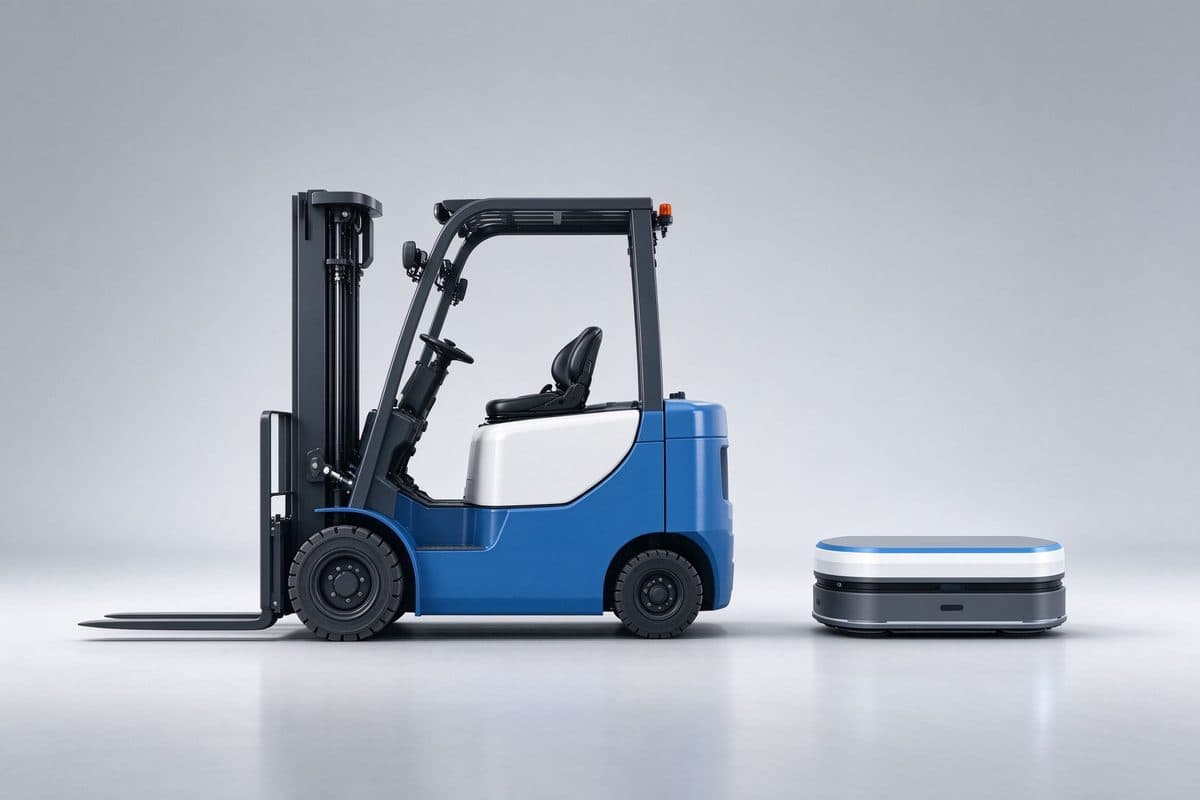
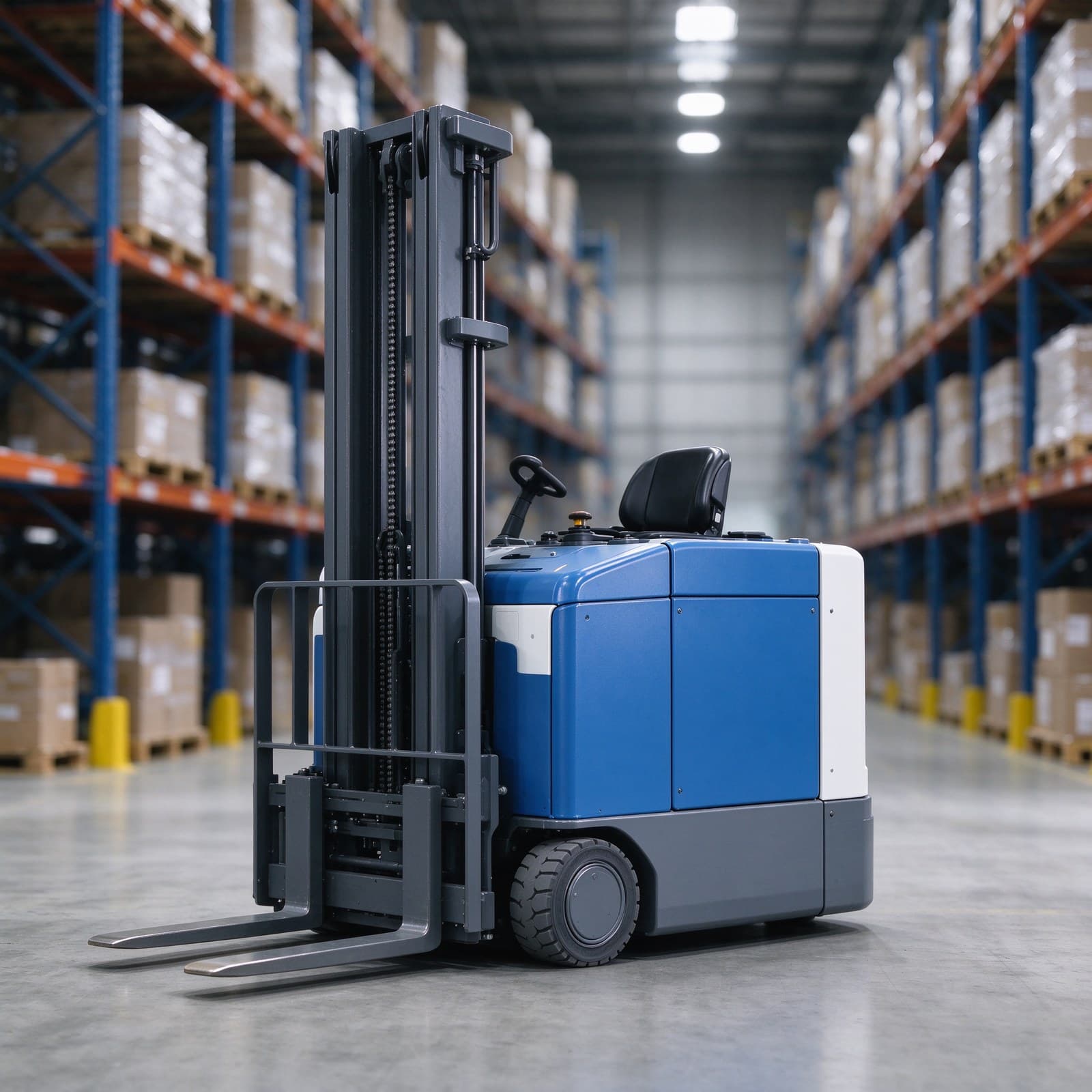
- Forklift AGVs: Designed to lift and stack pallets, these are essential for AGV warehouse logistics. They integrate seamlessly with racking systems.
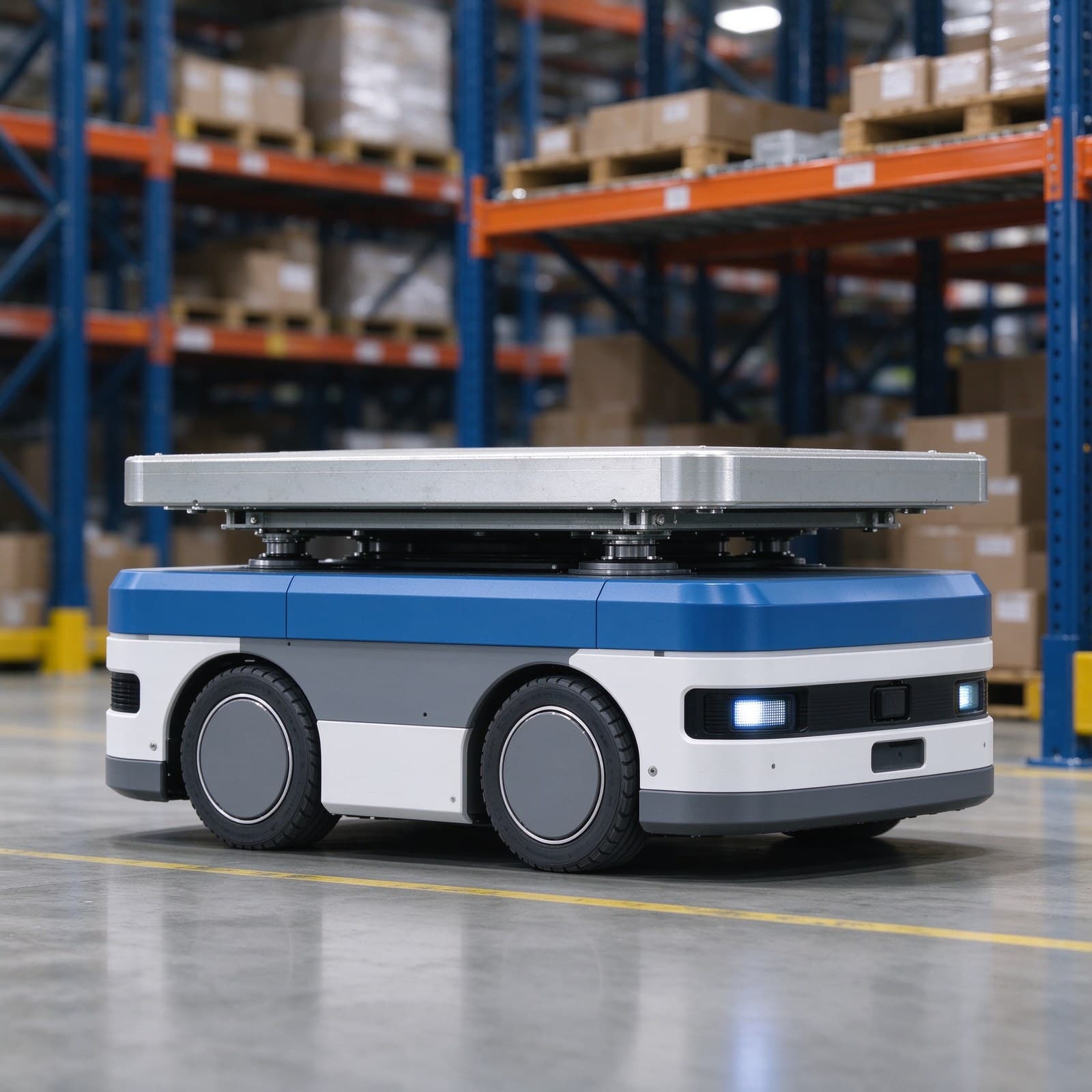
- Pallet AGVs: These move goods at floor level. A pallet AGV is ideal for transferring heavy components along assembly lines.
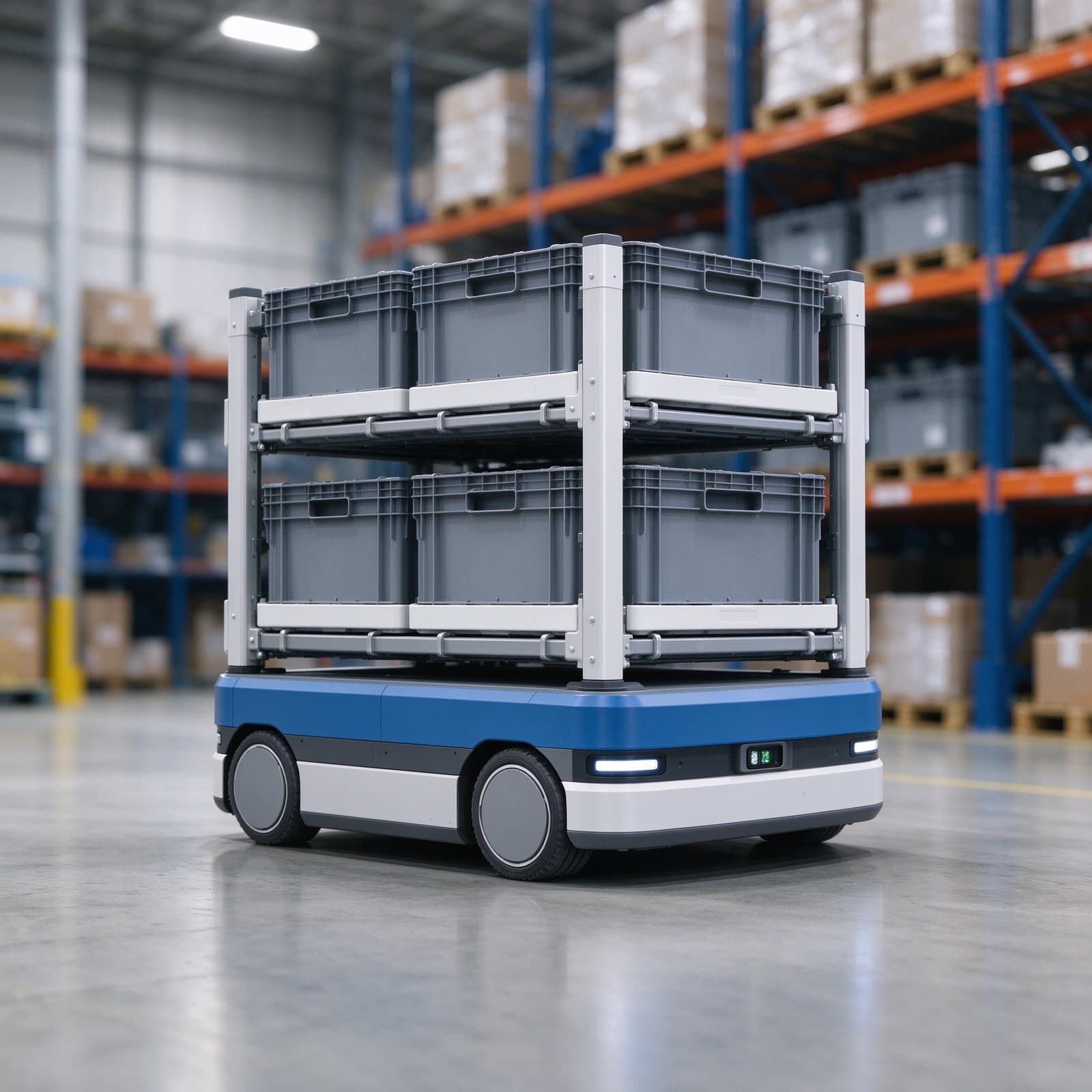
- Tug AGVs: Capable of pulling multiple carts or trailers, tug AGVs are perfect for large-scale manufacturing environments.
Applications range from automotive AGV factories to electronics manufacturing, where precision and cleanliness are critical.
Key Advantages of Implementing AGV Systems in Your Factory
Upgrading to an automated AGV factory offers compelling advantages:
- Increased Efficiency: AGVs operate 24/7, eliminating downtime associated with shift changes.
- Reduced Labor Costs: By automating repetitive transport tasks, companies free up labor for higher-value activities.
- Enhanced Safety: AGVs come equipped with collision avoidance sensors, reducing workplace accidents.
- Scalability: Modern AGV factories are modular. As production scales, you can easily add more vehicles to the fleet.
How to Choose the Right AGV System for Your Factory
Selecting the right automated guided vehicle factory solution requires a thorough assessment of your facility:
- Assess Payload Capacity: Determine the maximum weight your AGVs need to transport.
- Navigation Technology: Choose between wire-guided AGVs for simple setups or laser-guided AGVs for complex, dynamic environments.
- Fleet Management Software: Ensure the software integrates with your existing ERP or MES systems.
- Safety Certification: Look for vehicles compliant with ISO standards and CE certifications.
Conclusion
Transitioning to an AGV factory is a strategic move that can transform your manufacturing operations. Whether you are upgrading a legacy facility or building a new plant, understanding AGV navigation systems and AGV safety features is crucial for a successful deployment.
If you are looking for a reliable AGV supplier from China, feel free to contact us for a customized solution tailored to your factory's unique needs. We provide comprehensive support from system design to post-installation maintenance.
FAQ
Q: What is the difference between an AGV and an AMR?
A: An AGV follows fixed paths, while an AMR (Autonomous Mobile Robot) uses sensors to navigate dynamically and autonomously.
Q: What infrastructure does an AGV factory require?
A: You need a flat floor, Wi-Fi connectivity, charging stations, and clear paths for vehicle movement.
Q: How long does it take to deploy an AGV system?
A: Deployment typically takes 3–6 months, depending on site complexity and the number of vehicles required.