

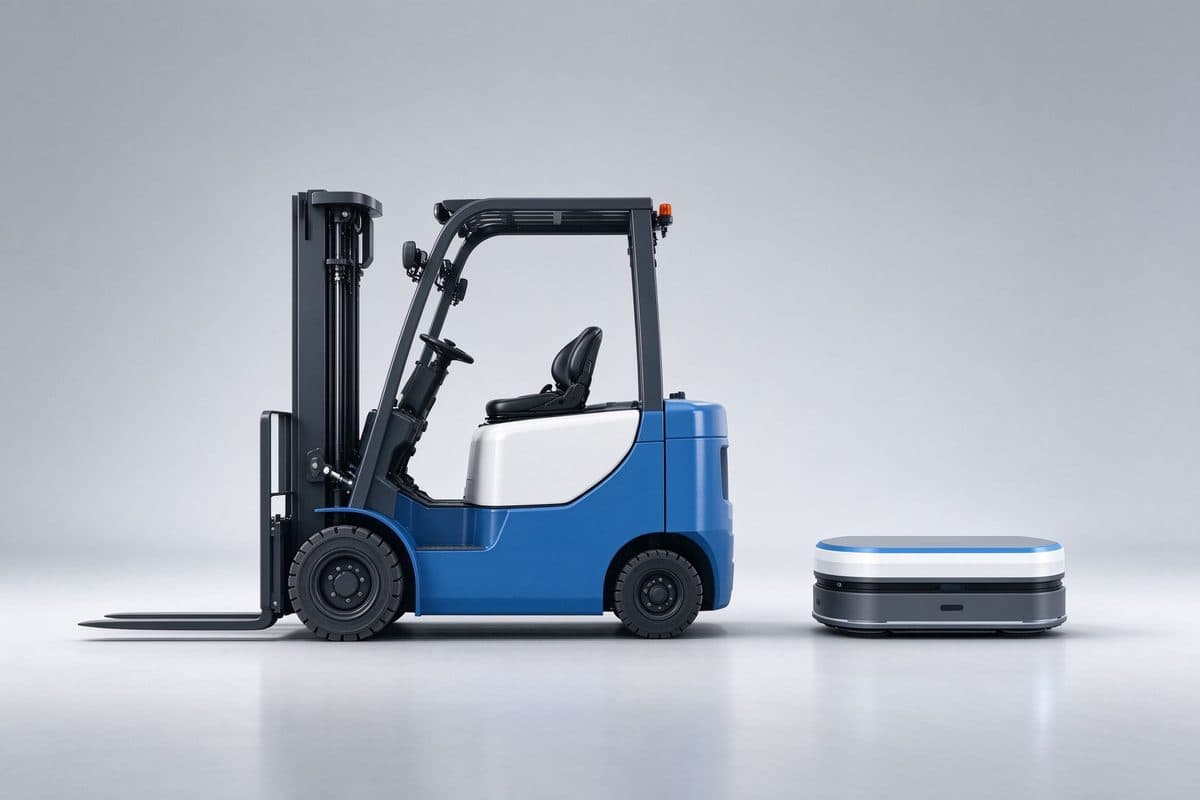
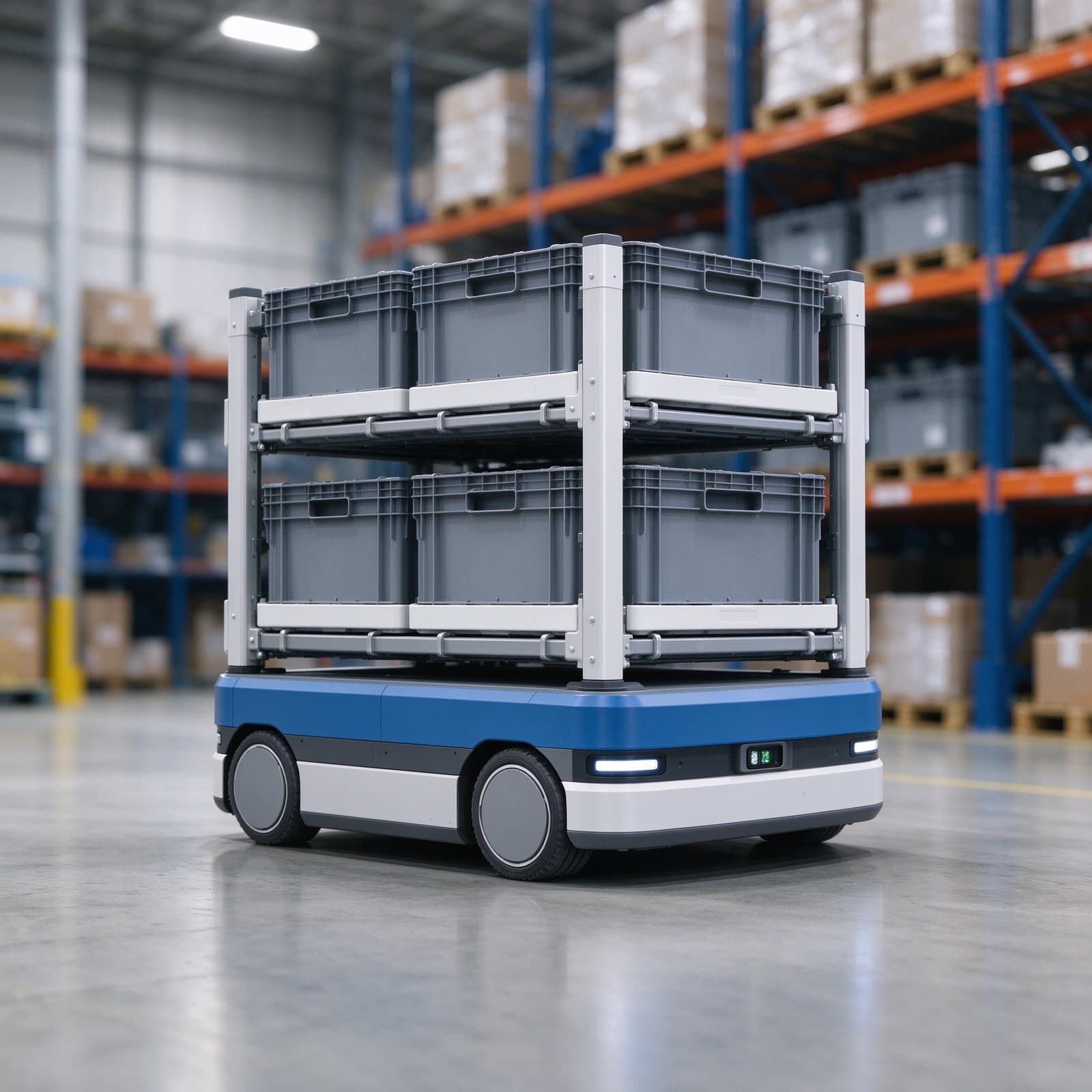
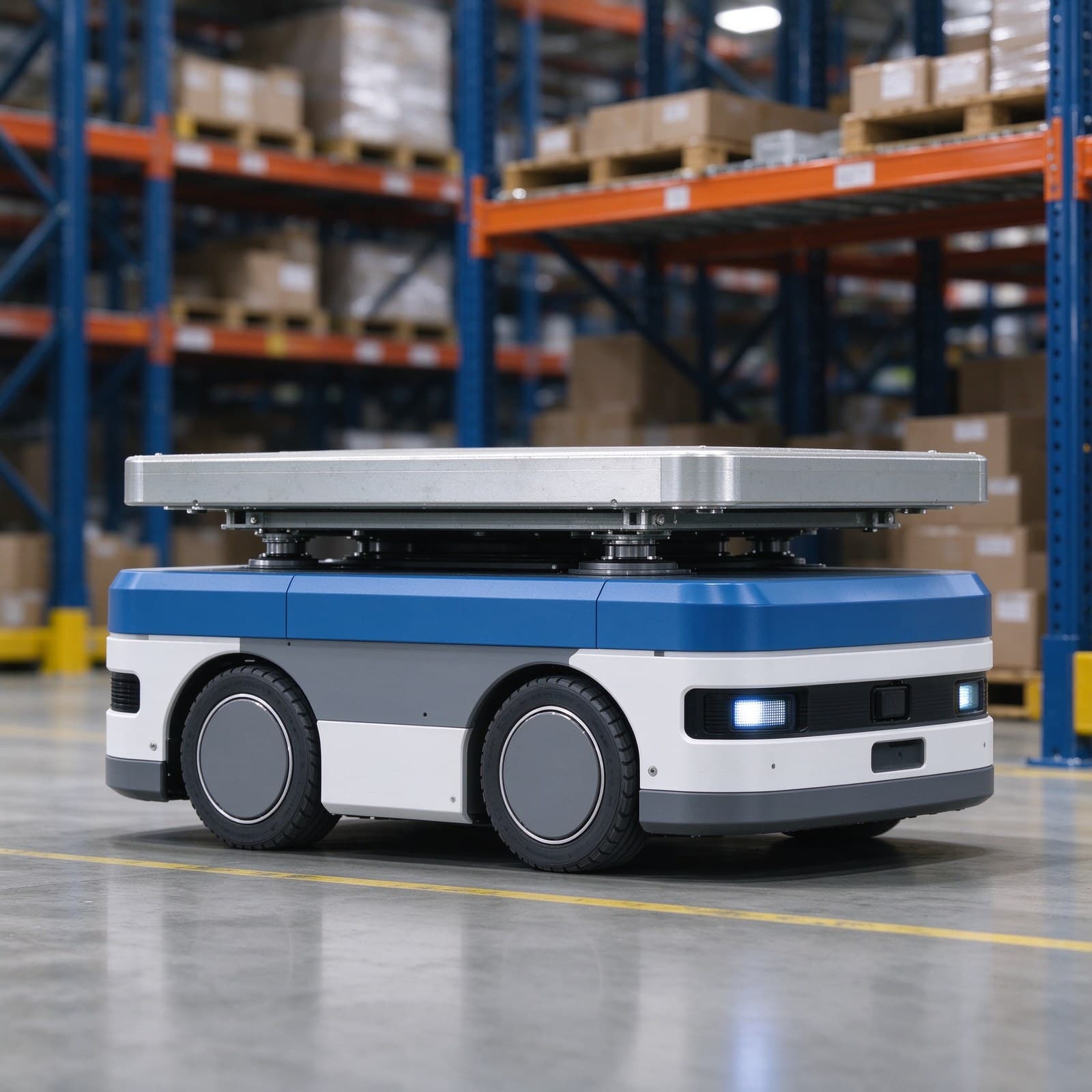
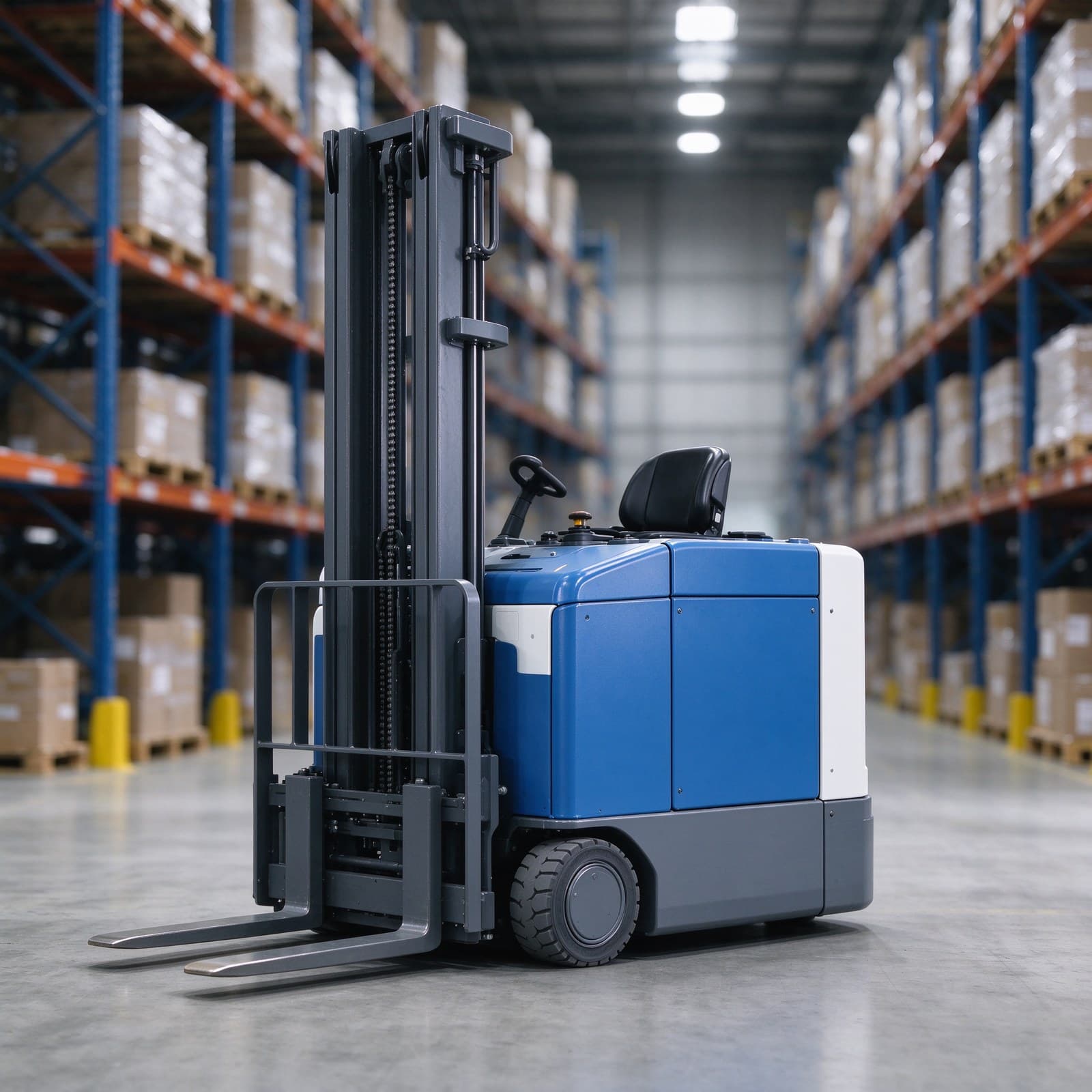
AGV for electronic components manufacturing has become a critical investment for global factories seeking to streamline material flow, reduce labor costs, and maintain precision across high-mix, low-volume production lines. In electronics manufacturing, where components like SMD reels, PCBAs, and connectors demand tight scheduling and zero-traceability, automated guided vehicles (AGVs) bridge the gap between warehouse storage and production floor delivery—eliminating manual carts, misrouted parts, and line stoppage risks.
How AGVs Work in an Electronics Factory
Most AGVs for electronic components manufacturing rely on laser navigation, magnetic tape, or natural feature mapping to navigate factory aisles autonomously. Equipped with PLC-controlled safety sensors and payload clamps, these vehicles integrate with MES, WMS, or ERP systems to receive real-time delivery requests. For example, when a SMT line runs low on resistor reels, the system triggers an AGV to load reels from the warehouse and deliver them directly to the line-side kitting station—with no human intervention. Hybrid systems that combine AGVs with automated storage and retrieval systems (AS/RS) are increasingly popular for factories aiming to create fully unmanned material flow loops.
AGV Types That Fit Electronic Components Manufacturing
Different electronic component production scenarios require tailored AGV solutions:
- Flatbed AGVs: Ideal for transporting bulk component trays, PCBA racks, or SMT reel pallets across assembly zones. Their low profile and adjustable payload capacity (100–500kg) make them suitable for tight aisle navigation.
- Forklift AGVs: Designed for warehouse-to-production transfers of heavy component pallets or finished goods. These AGVs handle up to 1,000kg loads and integrate with racking systems for automated loading/unloading.
- Roller Top AGVs: Equipped with powered rollers, these AGVs interface directly with conveyor systems at production lines—eliminating manual transfer of component kits to SMT machines.
- Hybrid AGVs: Combine AGV mobility with lifting and rotation functions, enabling precise placement of sensitive components like microprocessors or sensor modules at inspection stations.
Key Advantages for Production Floors
Adopting AGV for electronic components manufacturing delivers tangible ROI across multiple dimensions:
- 24/7 Material Availability: AGVs operate nonstop, ensuring component reels, PCB trays, and consumables reach production lines on schedule—reducing line stoppage by 30–50% in high-volume factories.
- Precision & Traceability: Every AGV movement is logged in the factory’s central system, providing full visibility of component flow from warehouse to finished product. This eliminates misrouted parts and supports compliance with IATF 16949 or ISO 9001 standards.
- Labor Cost Reduction: Replace manual cart operators with AGVs to cut labor costs by 40–60%—especially critical for factories facing labor shortages in 2025.
- Space Optimization: AGVs eliminate the need for wide manual cart aisles, allowing factories to reclaim 15–20% of production floor space for additional equipment or storage.
- Scalability: Modular AGV systems can be expanded as production lines grow—adding vehicles or rerouting paths without disrupting existing operations.
AGV Selection Checklist for Buyers
Choosing the right AGV for electronic components manufacturing requires aligning technical specs with factory needs:
- Payload Capacity: Match AGV load capacity to your largest component transport load—100–500kg for light component trays, 500–1,000kg for pallet-based transfers.
- Navigation Method: Laser navigation suits dynamic factory layouts, while magnetic tape is cost-effective for fixed routes. Natural feature navigation eliminates the need for physical markers, ideal for clean room environments.
- Integration Capability: Ensure AGVs support open APIs to connect with your existing MES, WMS, or ERP systems—avoiding vendor lock-in and enabling real-time data sync.
- Safety Features: Look for AGVs with 360° obstacle detection, emergency stop buttons, and speed governors to comply with local factory safety regulations.
- Maintenance Requirements: Opt for AGVs with modular components and remote diagnostics to minimize downtime and reduce maintenance costs.
Conclusion
AGV for electronic components manufacturing is not just a automation trend—it’s a strategic investment that boosts production efficiency, reduces operational costs, and future-proofs factories against labor shortages and growing demand for precision electronics. By selecting the right AGV type, integrating with existing systems, and aligning with factory layout needs, global procurement teams can unlock significant ROI and stay competitive in the global electronics supply chain.
If you are looking for a reliable AGV supplier from China, feel free to contact us for a customized solution tailored to your electronic component manufacturing workflow. Our team of automation engineers will design, install, and maintain AGV systems that meet your specific production requirements—from SMT line delivery to finished goods warehousing.
FAQ
Q: What is the payload capacity needed for AGVs in electronic component manufacturing?
A: Typical payload ranges from 100kg to 1,000kg, depending on whether you move reels, trays, or finished pallets. For SMT line kitting, 200–300kg is common.
Q: How long does it take to deploy AGVs in an existing electronics factory?
A: Most standard deployments take 4–8 weeks for layout, installation, and system integration. Complex multi-floor setups or legacy WMS integration may take 10–12 weeks.
Q: Do AGVs require major floor modifications?
A: Most modern AGV systems use adhesive tape markers, laser navigation, or natural feature navigation, requiring minimal floor modification. Magnetic tape or floor magnets are optional for heavy-duty routes.