

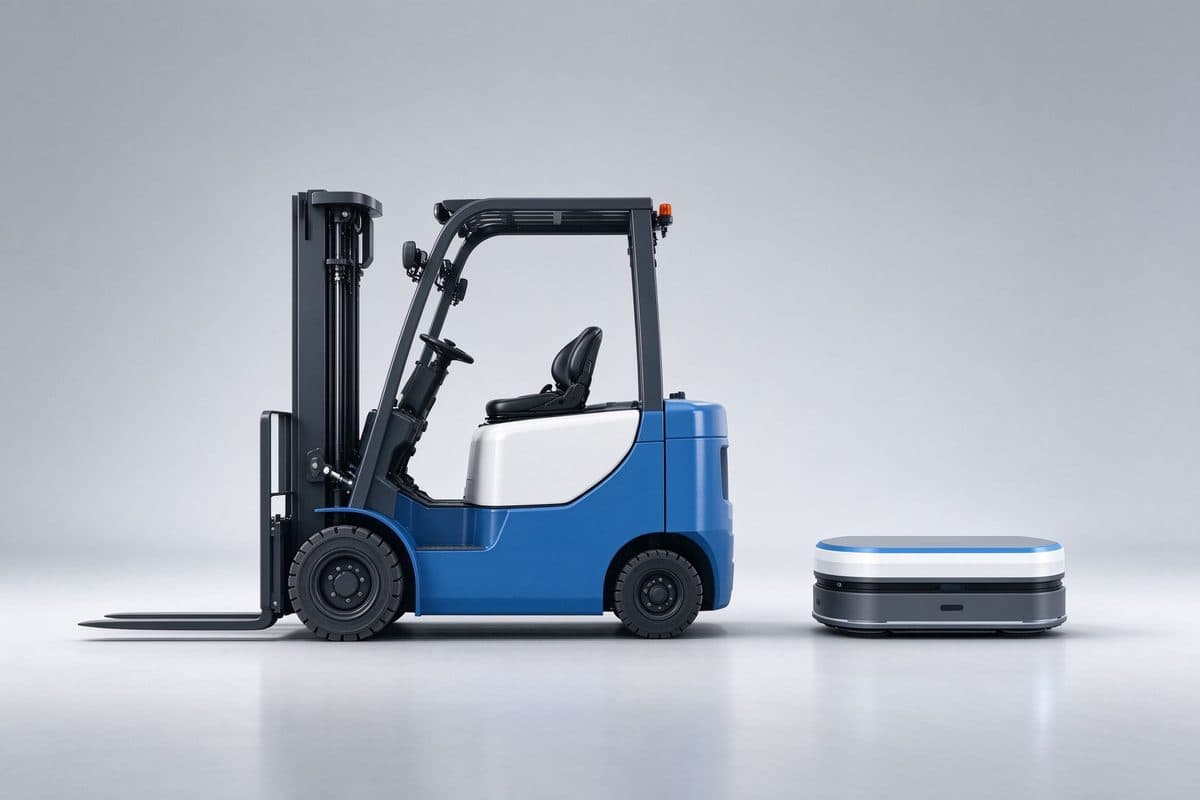


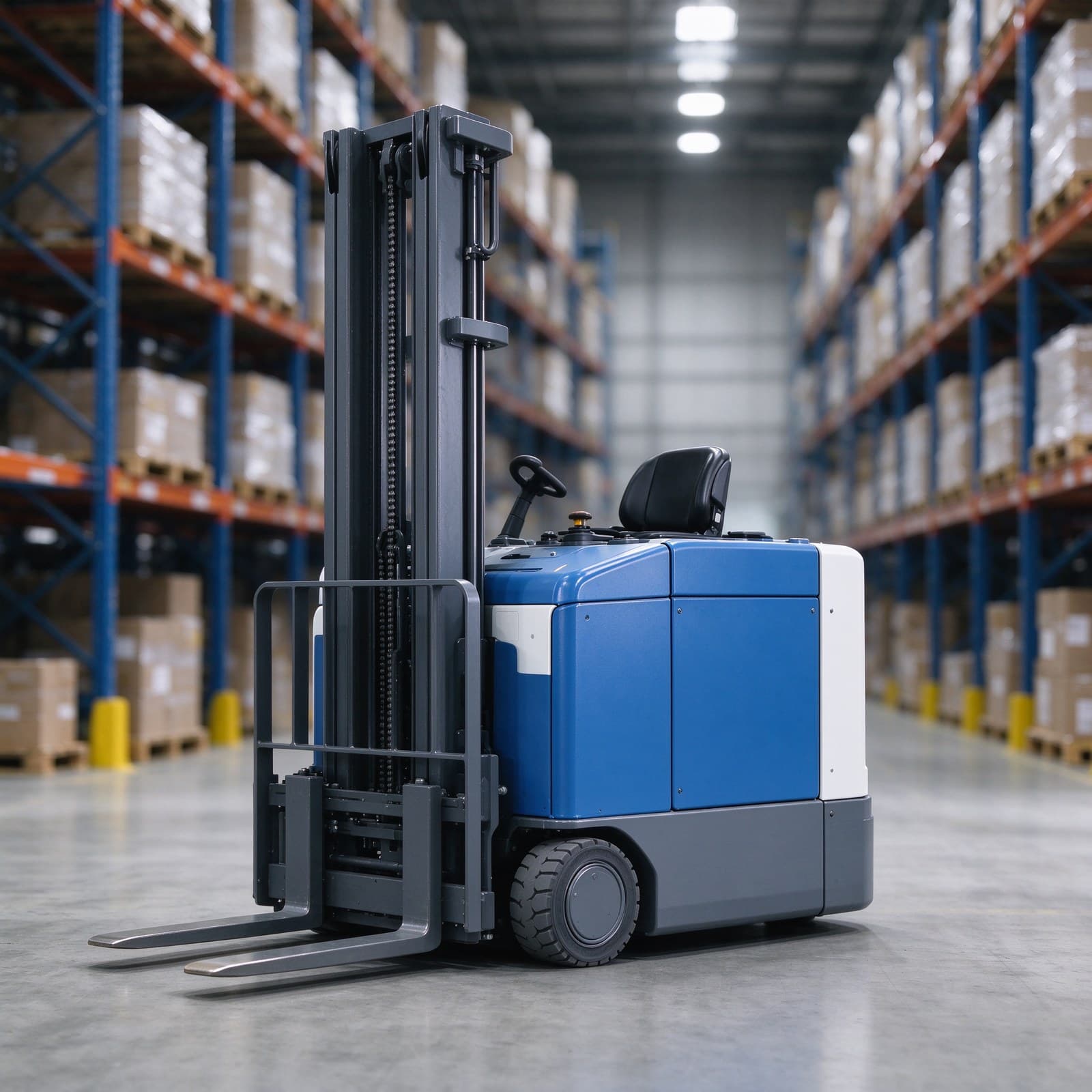
A well-structured preventive maintenance schedule for AGV (Automated Guided Vehicle) fleets is the difference between a lean, reliable indoor logistics operation and a painfully unpredictable one. Too often, managers react only when a vehicle faults, then scramble for parts and firefighting—costly downtime that eats into delivery schedules and customer SLAs. A proactive AGV preventive maintenance plan, based on usage and OEM guidance, stabilizes performance, protects safety systems, and reduces the lifetime cost of ownership. Whether you run magnetic, laser, or LiDAR-guided platforms, a clear maintenance cadence helps you plan around production windows instead of reacting to breakdowns.
Structure of an Effective AGV Preventive Maintenance Schedule
A robust preventive maintenance schedule for AGV operations combines time-driven and condition-driven tasks. Start from OEM manuals, then adjust intervals by duty cycle, environment, and part criticality. Most fleets use four levels:
- Daily/shift checks: quick visual inspections, safety sensor cleaning, error log review, and battery gauge verification.
- Weekly service: wheel and caster checks, belt/chain tension review, brake function tests, and contact cleaning.
- Monthly inspection: detailed sensor calibration, safety function tests, motor/gearbox temperature checks, and structural fastener torque.
- Quarterly/annual overhaul: major component inspections (drive, PLC, controllers), full calibration, oil or grease replenishment, and preventive part swaps based on wear data.
A standardized AGV maintenance checklist creates consistency across shifts and teams. Assign clear ownership, use digital checklists, and track hours of operation per vehicle so you can align AGV service intervals with real workload rather than guesswork.
Key AGV Components and Maintenance Tasks by Interval
AGVs are modular, and so is their maintenance. Tailor tasks to vehicle type and mission. Common focus areas include:
- Drive system (motors, gearboxes, wheels): inspect for backlash, unusual noise, and overheating; verify wheel wear; check lubrication levels; schedule gearbox oil changes per operating hours.
- Navigation and positioning (LiDAR, laser scanners, magnetic guides, encoders): clean sensor windows; verify calibration and map alignment; test reflection and edge detection; check encoder readings against actual displacement.
- Safety devices (bumpers, e-stops, warning lights, audio alarms, safety PLC): perform functional tests each shift; measure bumper reaction distances; validate safety circuits and fault logging.
- Battery and charging system: execute an AGV battery maintenance routine that includes terminal cleaning, contact pressure checks, electrolyte or condensation inspection (for lead-acid), and charger alignment; monitor charge cycles and adopt opportunity charging practices that preserve battery life. For lithium systems, verify BMS logs and temperature behavior; set alarm thresholds to prevent deep discharges and overcharge conditions.
- Controls and communications (onboard PLC, Wi‑Fi/5G modules, antennas, edges): check network signal strength; review error logs; update firmware on a controlled schedule; inspect connectors; validate communication timeouts and recovery behavior.
- Structural and mechanical elements (frames, rollers, conveyors, lifting mechanisms): torque fasteners; align rollers and belts; verify load center and rack condition; test hydraulic or pneumatic pressures if equipped.
When you map these tasks to daily, weekly, monthly, and annual windows, you create a repeatable AGV preventive maintenance workflow that protects both uptime and safety.
How to Build and Implement an AGV Maintenance Plan
Implementing a preventive maintenance schedule for AGV operations is as much about process as it is about tools. A practical approach includes:
- Fleet profiling: define vehicle types, duty cycles, duty hours, load patterns, and environment (temperature, dust, humidity). Vehicles in harsh environments require shorter intervals.
- Resource planning: staff maintenance techs, assign shift leads, and secure spare parts. Establish a meaningful AGV spare parts list to avoid long lead times on critical components like motors, encoders, and safety modules.
- Tooling and software: deploy a CMMS or EAM system to manage AGV maintenance tasks, schedules, and history. Integrate telemetry where possible—temperature, battery SOC, error codes—to transition from calendar-based to condition-based maintenance.
- Documentation and training: standardize SOPs for each maintenance type, create visual guides for safety-critical checks, and train operators to execute daily checks. Keep OEM manuals accessible and version-controlled.
- Scheduling and windows: align preventive maintenance with production breaks or off-peak hours. For busy warehouses, use a rotating schedule so you always have enough AGVs online.
- Quality and audits: run periodic audits on completed checklists, review repeat faults, and adjust intervals based on failure trends. A good AGV preventive maintenance plan evolves with data.
Benefits of a Predictive AGV Maintenance Program
Adopting a systematic AGV preventive maintenance schedule delivers measurable outcomes:
- Higher uptime: catch issues before they cascade; reduce unplanned downtime and meet throughput targets.
- Lower cost of ownership: fewer emergency repairs, optimized part life, and stable energy consumption through battery maintenance.
- Improved safety: consistent validation of safety devices and emergency functions minimizes incident risk.
- Better planning: clear AGV service intervals and documented tasks let you budget parts and labor, schedule production changes, and coordinate maintenance windows.
- Fleet scalability: a repeatable maintenance program supports expansion—adding AGVs becomes a standardized rollout rather than a bespoke project.
Common Mistakes to Avoid
Common pitfalls erode ROI and cause avoidable downtime. Watch for:
- Overlooking battery health: poor charging habits and neglected terminals reduce battery life and cause unexpected failures.
- Skipping sensor calibration: alignment drift in LiDAR or laser systems degrades positioning accuracy and safety performance.
- Calendar-only maintenance: ignoring duty hours and condition data leads to unnecessary service or missed wear.
- Underestimating spare parts planning: long lead times for critical modules turn minor faults into extended outages.
- Inconsistent documentation: without clear checklists and logs, expertise stays in individuals’ heads rather than in the organization.
Choosing the Right AGV Supplier and Support
A preventive maintenance schedule for AGV deployments is only as effective as the OEM’s documentation, training, and parts availability. When sourcing from China or any region, look for suppliers that provide:
- Detailed AGV maintenance manuals with task breakdowns, intervals, and torque specifications.
- Local or regional spare parts stocking and clear lead times for critical components.
- Remote diagnostics and application support, plus optional on‑site training for your technicians.
- Flexible service contracts tailored to your duty cycle, including calibration services and periodic health checks.
- Transparent firmware policies and a roadmap to keep your fleet up to date without disrupting operations.
Case Example: A Tier‑1 automotive parts plant running 24/7 adopted a structured AGV maintenance plan with daily shift checks, weekly mechanical inspections, and quarterly LiDAR calibration. Within six months, unplanned downtime dropped by 35%, battery replacement cost per vehicle fell by 18%, and the plant deferred a costly conveyor upgrade by extending AGV reliability through peak production.
Building an effective preventive maintenance schedule for AGV fleets is not about adding paperwork—it’s about gaining control. By standardizing AGV maintenance tasks, aligning AGV service intervals with real usage, and investing in AGV spare parts planning and battery maintenance, you protect uptime, safety, and budget. If you are looking for a reliable AGV supplier from China, feel free to contact us for a customized solution, OEM documentation, and a maintenance program tailored to your operation.