

Industrial Automation AGV System: Buyer's Guide for Smart Factories
In 2026, manufacturers and logistics operations are rethinking how materials move across the floor. An industrial automation AGV system delivers the flexibility, traceability, and uptime needed to stay competitive — but choosing the right automated guided vehicle systems for your facility can feel overwhelming. This guide breaks down how AGVs work, where they add value, and what to evaluate before you invest.
How an Industrial Automation AGV System Works
An industrial automation AGV system consists of autonomous vehicles that transport goods without human operation. Navigation relies on wires, magnetic tape, laser sensors, or cameras, while central software coordinates routes, traffic, and charging. A mature automated material handling setup integrates with MES, WMS, and ERP platforms so orders trigger movement automatically. This level of smart factory automation solutions reduces manual intervention and improves throughput consistency.
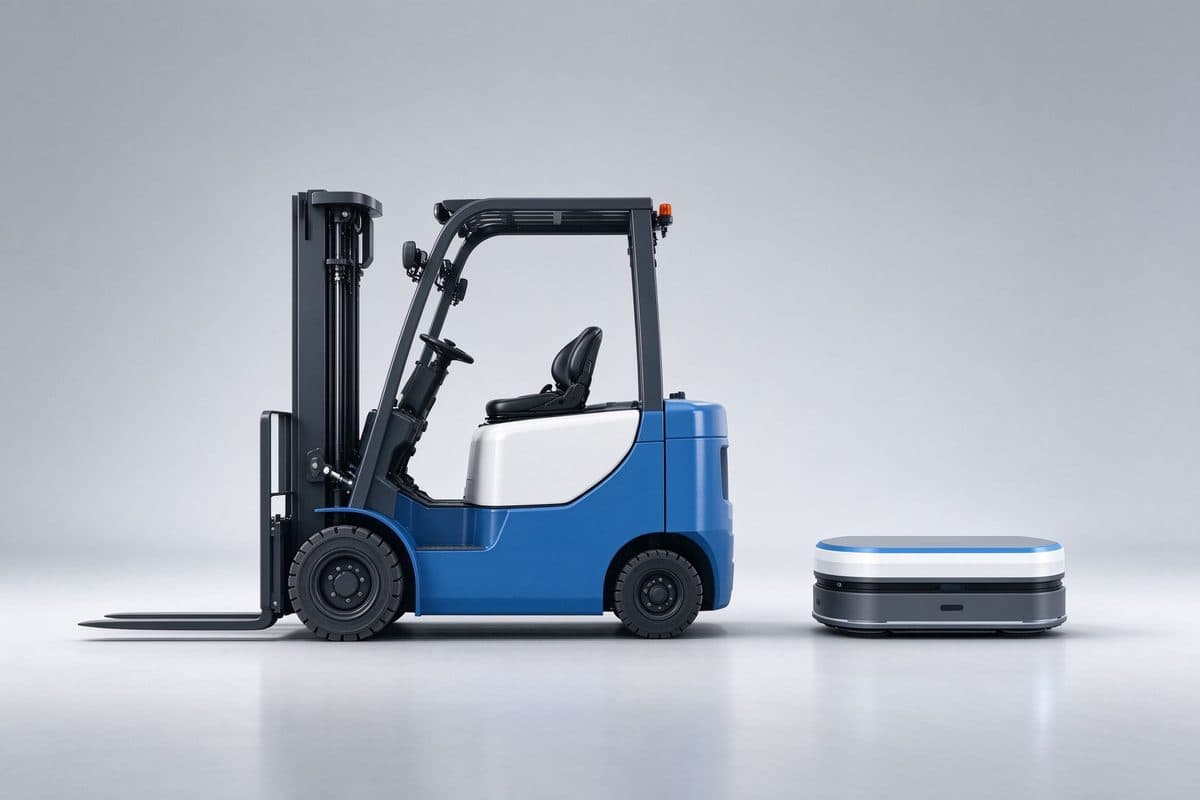
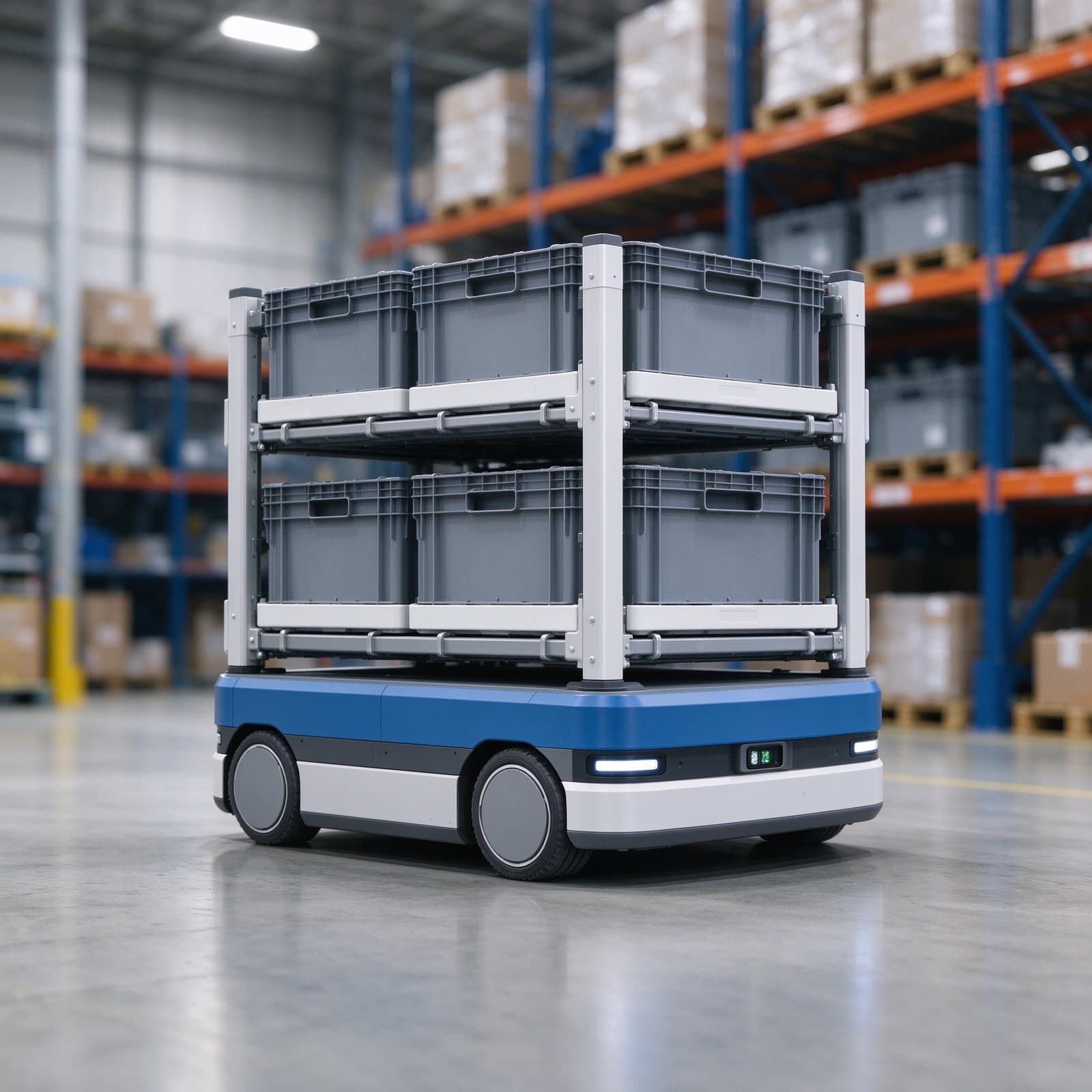
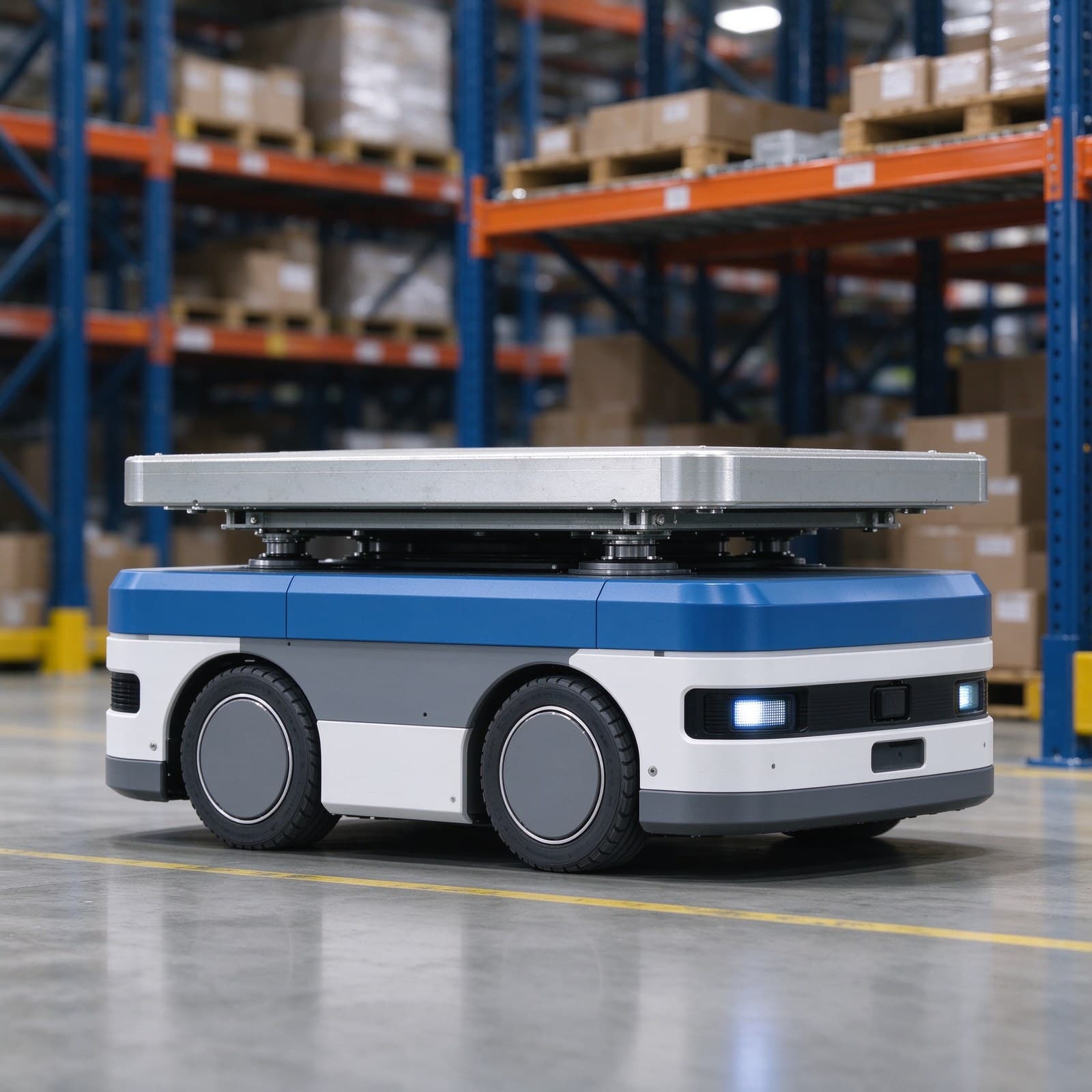
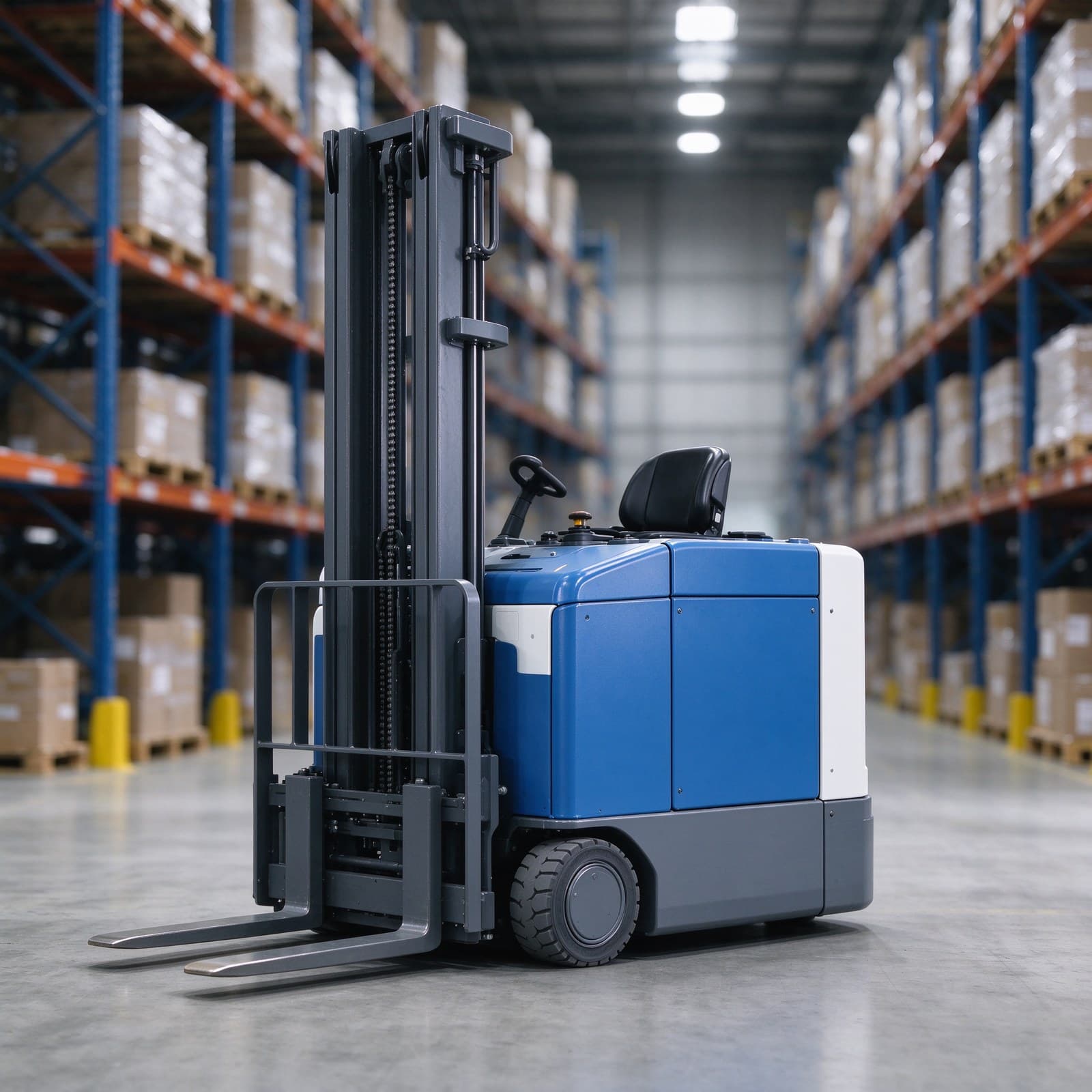
AGVs come in several formats:
- Forklift AGVs: lift and move pallets on racks
- Platform AGVs: carry heavy loads across production lines
- Roller-top AGVs: interface with conveyors for automated loading
- Mobile robots (AMRs): use AI for dynamic, flexible material handling without fixed paths
Understanding these types helps you match a system to your layout, volume, and future expansion plans.
Why Smart Factories Choose Automated Material Handling
The core value of an industrial automation AGV system is visible in the numbers. Facilities using flexible material handling solutions typically report:
- Up to 30% lower labor costs due to reduced forklift drivers and freed internal logistics staff
- Faster cycle times as AGVs operate 24/7 with consistent accuracy
- Fewer errors from automated routing and dock coordination
- Better safety by removing people from hazardous, repetitive paths
- Easier scaling — adding vehicles is faster than hiring and training more operators
Long-term ROI also looks strong. Many buyers recover their initial investment in 12–18 months, especially when deploying fleets across multiple shifts. The beauty of AGVs lies in their scalability, making them ideal for both small operations and large enterprises looking to future-proof their operations.
Key Factors When Selecting Automated Guided Vehicle Systems
Choosing an industrial automation AGV system requires looking beyond a single spec sheet. Consider these six areas:
1. Navigation technology and precision — Laser-guided AGVs deliver millimeter accuracy suitable for narrow aisles, while magnetic or inertial navigation offers lower cost but less precision. If you need flexible material handling that can adapt to floor changes without reprogramming, AI-powered AMRs may fit better.
2. Payload capacity and vehicle type — Moving 500 kg pallets differs vastly from towing 2,000 kg loads. Selecting the right AGV type prevents bottlenecks and ensures durability under daily stress.
3. Integration with existing software — The best smart factory automation solutions connect cleanly with your current MES, WMS, or ERP environment. Open APIs and standard protocols mean faster deployment and less disruption.
4. Safety standards and certifications — Look for ISO 3691-4 compliance, CE marking, and built-in features like LiDAR sensors, emergency stops, and audio alarms. Safety-certified AGVs are non-negotiable in mixed-traffic factory floors.
5. Fleet management software — Central control software should offer real-time traffic management, battery monitoring, and predictive maintenance alerts. Modern dashboards also generate usage reports to optimize workflow efficiency continuously.
6. Support and spare parts availability — Local service teams and guaranteed spare parts reduce downtime. Ask about response times, training programs, and remote diagnostics capabilities before signing contracts.
Real-World AGV Applications in Manufacturing and Logistics
Many industries have already embraced industrial automation AGV systems:
- Automotive plants use AGVs to sequence parts along assembly lines, cutting sequencing errors by up to 95%
- Electronics manufacturers employ cleanroom-compatible AGVs to move sensitive components without contamination
- Food and beverage facilities benefit from cold-storage AGVs that withstand temperatures below -20°C
- Pharmaceutical warehouses use precise, auditable material flows to meet strict regulatory demands
- E-commerce fulfillment centers deploy AGVs for 24/7 picking and packing, reducing labor turnover in a competitive hiring market
Each case demonstrates how automated guided vehicle systems can be tailored to unique operational environments. From electronics to e-commerce, the versatility of AGV technology continues to evolve, offering increasingly specialized solutions.
Moving Forward With Your AGV Implementation
An industrial automation AGV system is not a one-size-fits-all purchase. It should align with your facility layout, throughput goals, safety requirements, and budget. Start with a pilot project, measure the ROI, and expand based on real data. By focusing on navigation accuracy, software integration, and scalable fleet management, you'll build a flexible material handling infrastructure that supports growth for years to come.
If you are looking for a reliable AGV supplier from China, feel free to contact us for a customized solution tailored to your facility's needs.
Frequently Asked Questions
What is the difference between AGV and AMR?
An AGV follows fixed paths using wires, tape, or pre-loaded maps. An AMR (autonomous mobile robot) uses sensors and AI to navigate dynamically around obstacles. AMRs offer more flexibility but often come with higher costs.
How long does it take to implement an industrial automation AGV system?
Typically 3–6 months for design, installation, and testing. Factors like facility complexity, number of vehicles, and integration with existing software influence the timeline.
Can AGVs work in mixed human-robot environments?
Yes, modern AGVs include safety features like LiDAR, 3D cameras, emergency stops, and audio alarms. They meet standards such as ISO 3691-4 and can safely share floor space with operators.