

Introduction
Navigating the global AGV market can be daunting for factories and logistics teams. As automated guided vehicles (AGVs) revolutionize material handling worldwide, selecting a reliable AGV importer worldwide becomes critical. This guide demystifies key considerations for procurement managers and engineers, helping you identify partners who deliver cost-effective, technically robust solutions.
Understanding AGV Types and Applications
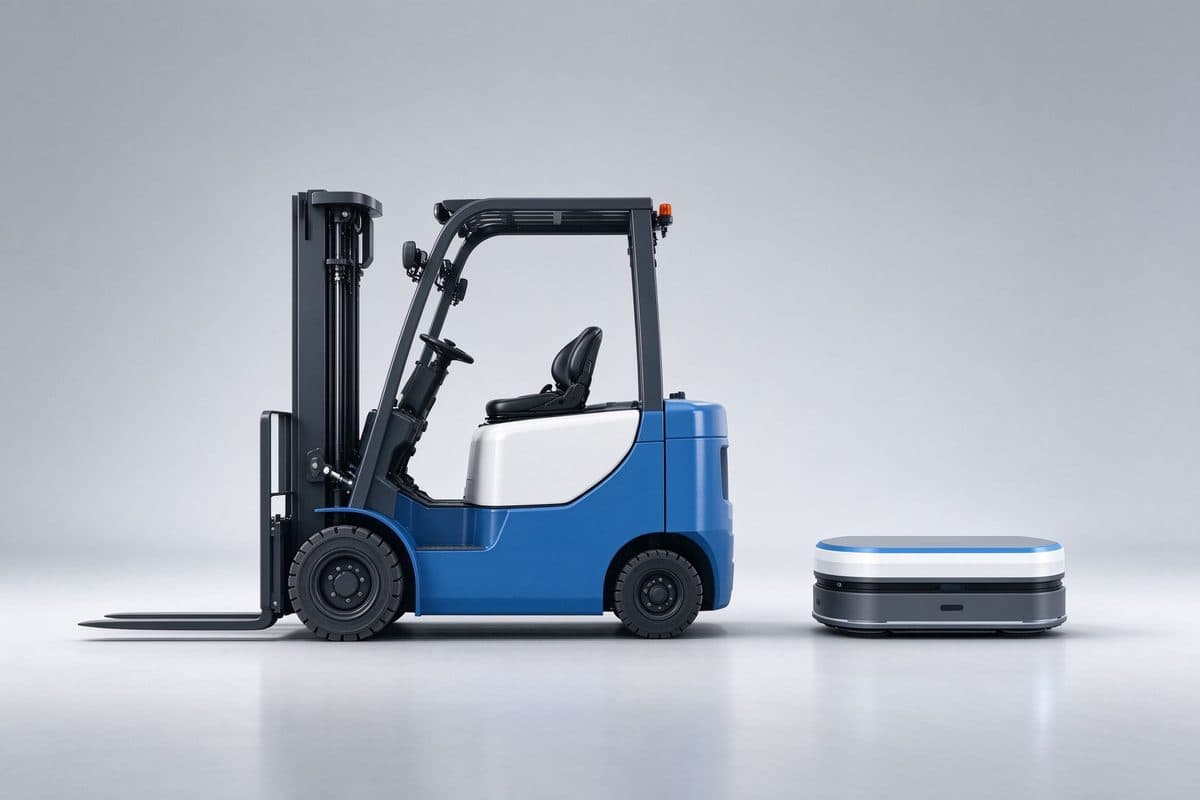
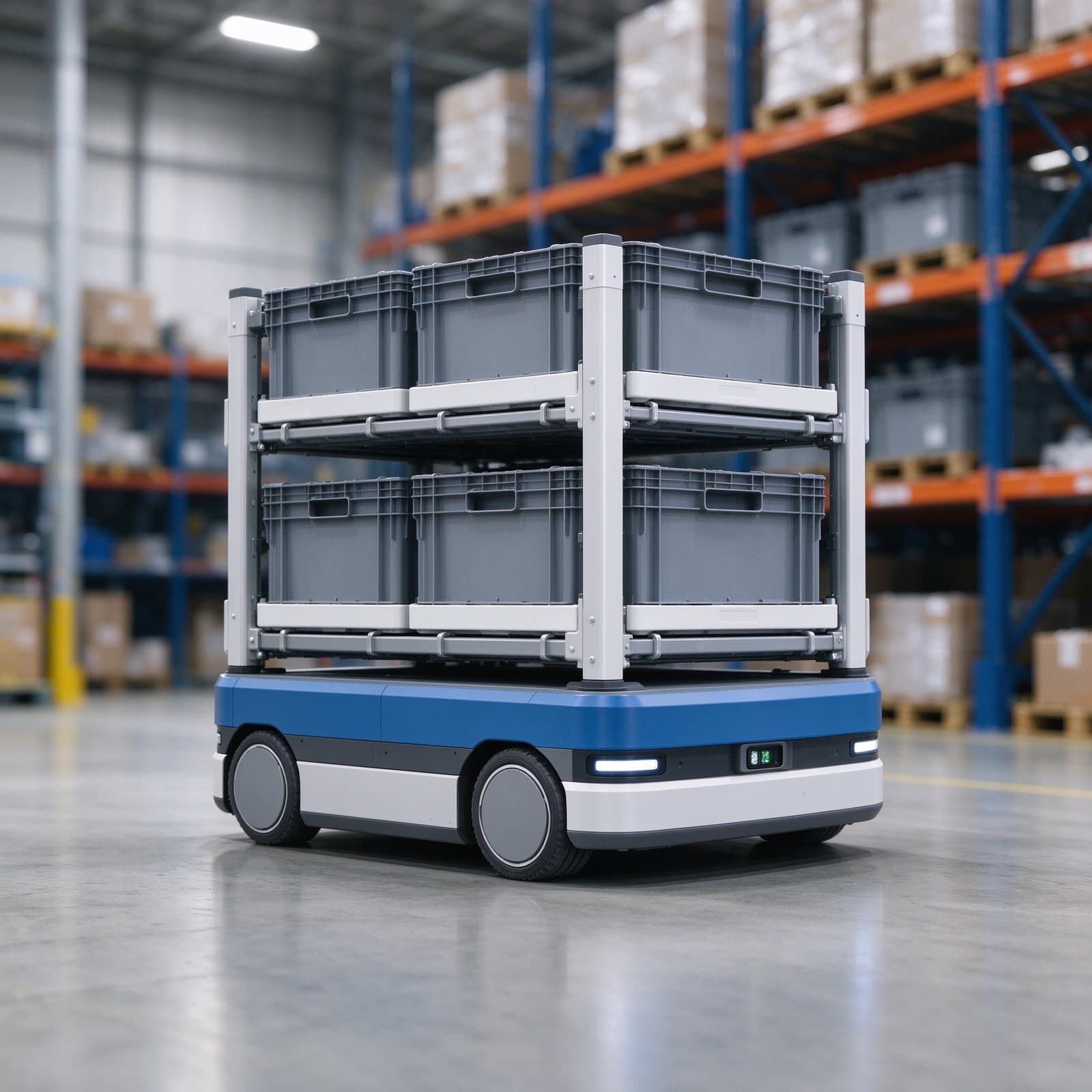
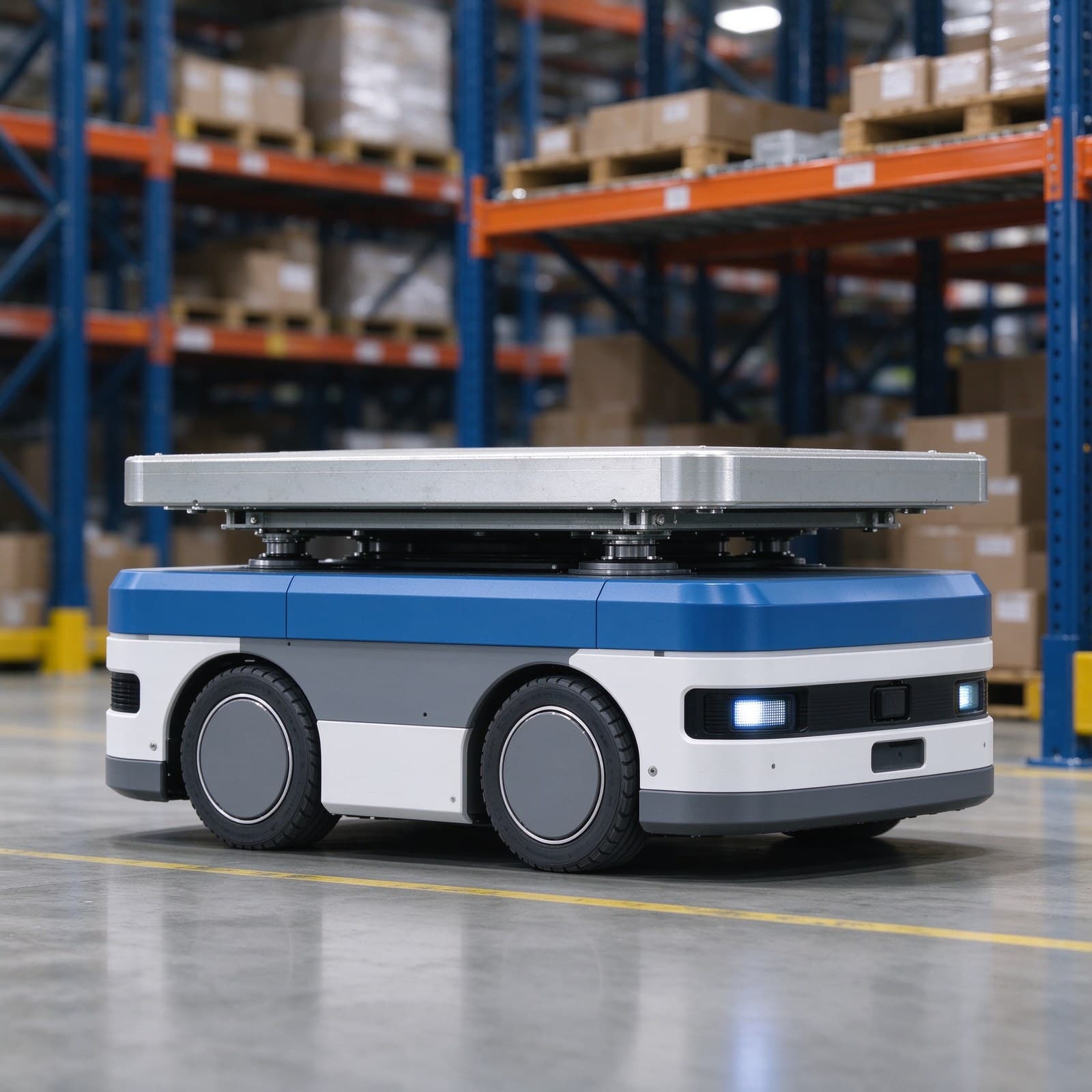
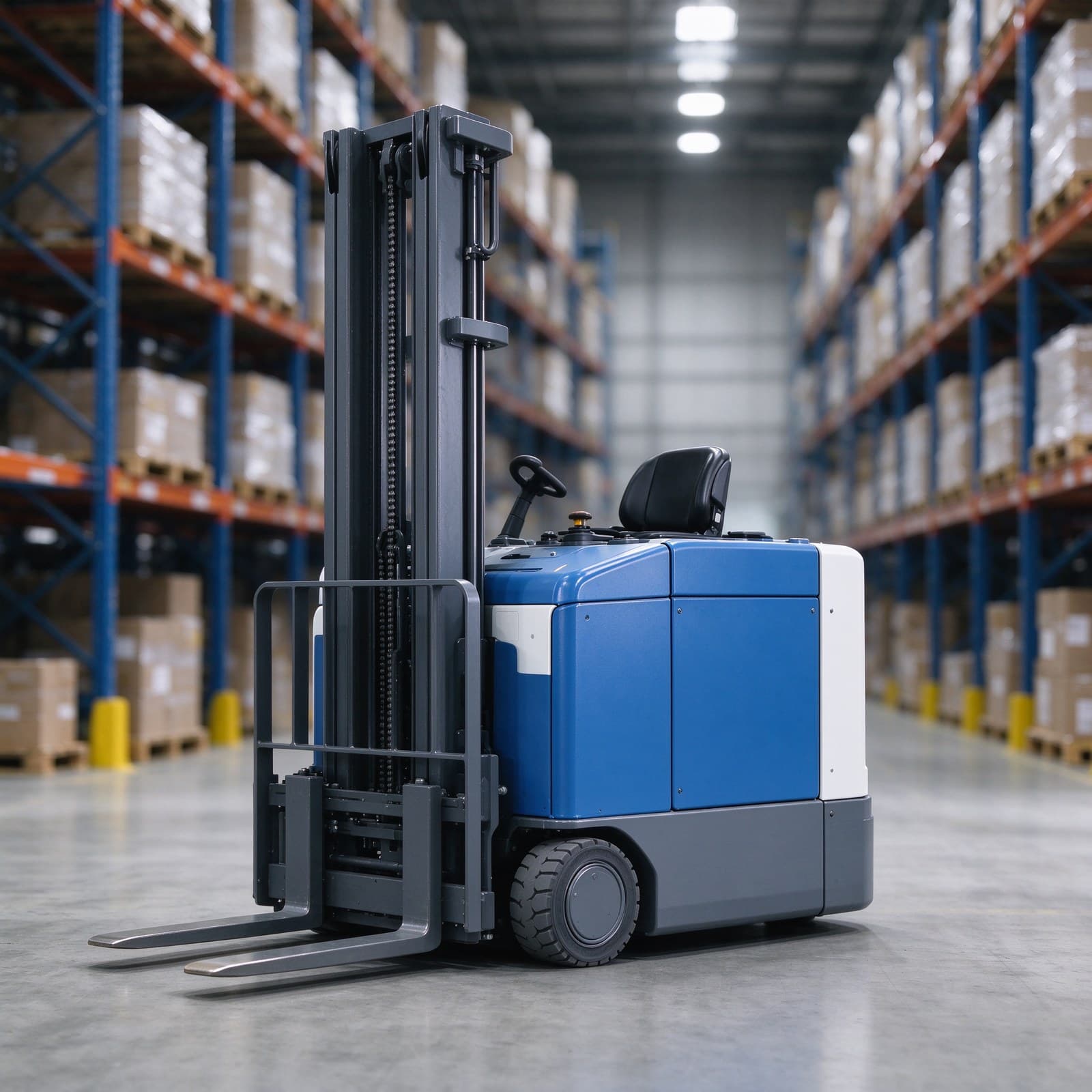
AGVs range from forklift models for heavy-duty pallet movement to lightweight tow tractors in electronics plants. Key specifications include:
- Load capacity: 500kg for precision tasks vs. 2000kg+ for automotive workshops
- Navigation systems: Laser SLAM for dynamic environments, magnetic tape for fixed routes
- Specialized variants: Hygienic AGVs for pharmaceutical cleanrooms, explosion-proof models for chemical plants
5 Advantages of Partnering with Global AGV Specialists
- Cost Efficiency: 30-50% lower acquisition costs versus local suppliers
- Technical Expertise: Access to custom solutions for complex workflows
- Global Support Networks: 24/7 troubleshooting across multiple time zones
- Compliance Assurance: CE, UL, and ISO 3691-4 certifications handled professionally
- Scalability Options: Fleet management software integration for future expansion
Critical Evaluation Criteria for AGV Importers
Technical Due Diligence
- Request live operational videos showing navigation precision
- Verify MTBF (Mean Time Between Failures) exceeds 8,000 hours
- Demand cycle time simulations tailored to your facility layout
Supplier Verification Checklist
✔️ Registered business licenses (China: 3+ years operation)
✔️ Export documentation track record (CO, Form E, etc.)
✔️ Insurance coverage for international shipments
✔️ Local service partner network in your region
Real-World Case Studies
Automotive Component Manufacturer (Germany)
- Challenge: 75% increase in line-side delivery errors
- Solution: 24 pallet-moving AGVs with RF scanner integration
- Result: 92% reduction in picking errors, ROI achieved in 14 months
Electronics Factory (Vietnam)
- Implementation: 38 laser-guided AGVs with auto-charging stations
- Impact: 300% throughput increase with 15% less floor space utilization
FAQ for AGV Importers Worldwide
Q: How long does shipping and installation take?
A: Typical timelines run 45-90 days depending on customs clearance and on-site prep work. Full integration averages 2 weeks per 10 units.
Q: What maintenance is required?
A: Daily battery checks, weekly sensor calibrations, and quarterly professional servicing. Most suppliers offer remote diagnostics packages.
Q: Can imported AGVs work with our MES systems?
A: Leading importers provide open APIs for SAP, Oracle, or custom ERP integration. Always request protocol documentation before procurement.