

AGV Implementation Challenges & Solutions: A Guide to ROI
Implementing an Automated Guided Vehicle (AGV) system is no longer just an option; it is a strategic imperative for global manufacturing and logistics operations. However, when you start exploring AGV implementation challenges and solutions, the complexity can feel overwhelming for plant procurement teams, logistics managers, and automation engineers. Many facilities worry about high upfront costs, operational downtime, or integration hurdles that can delay ROI. This guide breaks down the most common AGV implementation challenges and provides practical, proven solutions to help your facility transition to automated material handling smoothly.
Mismatched AGV Selection
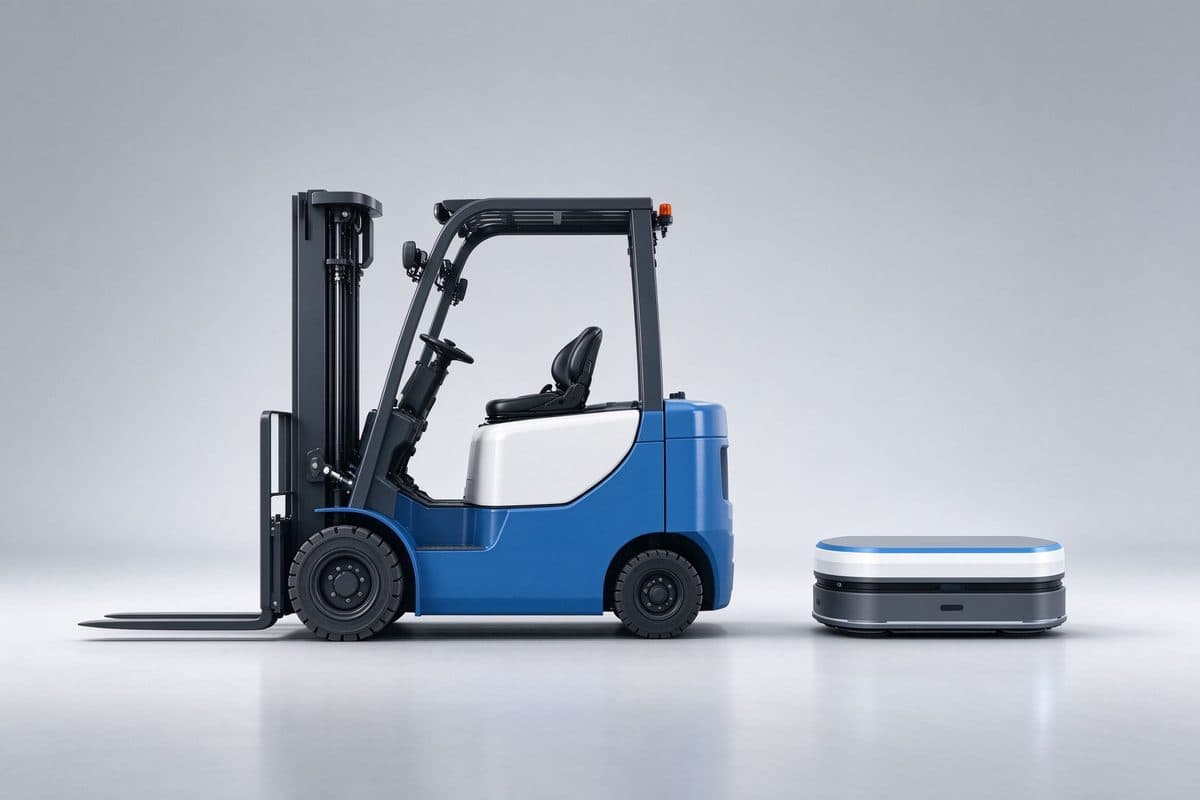
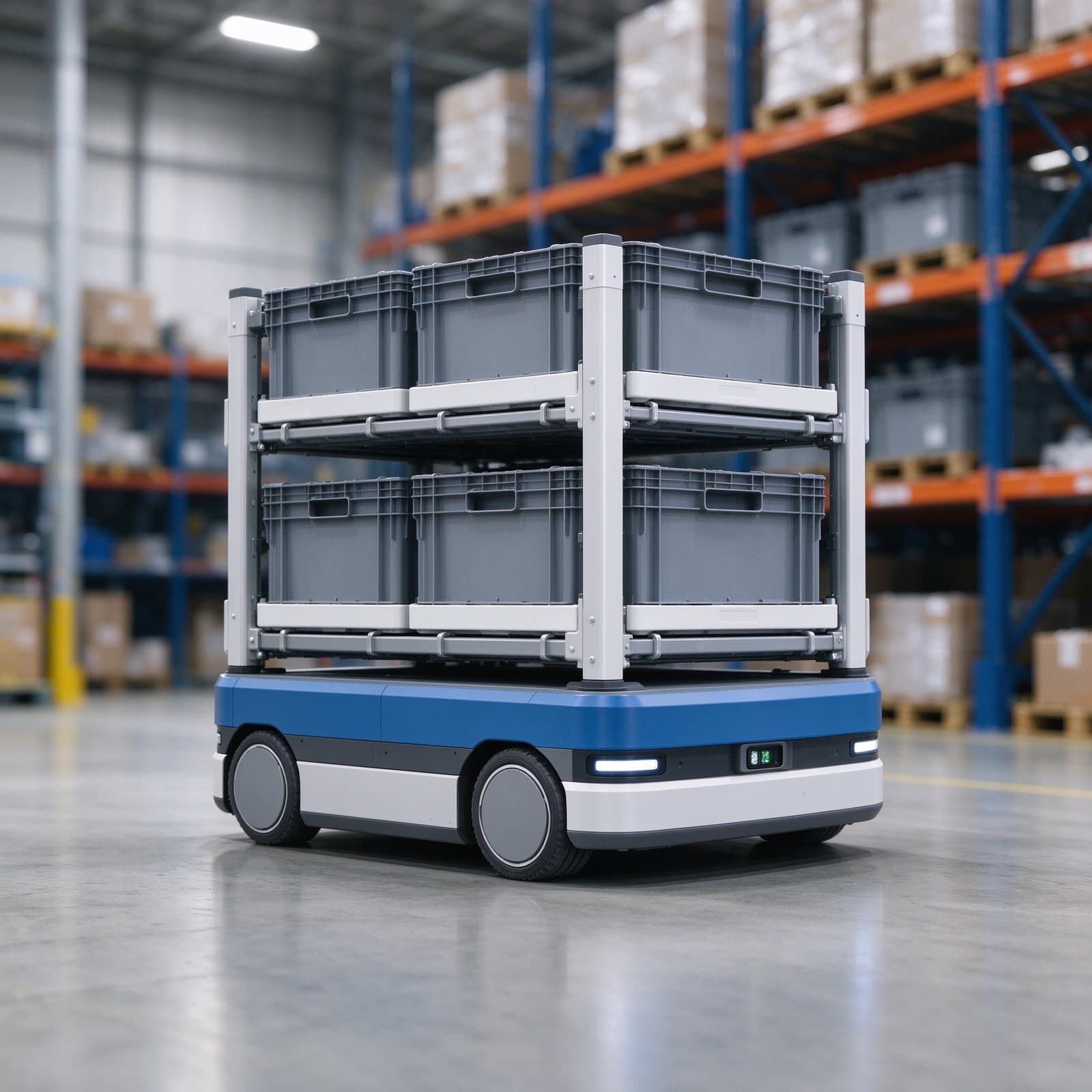
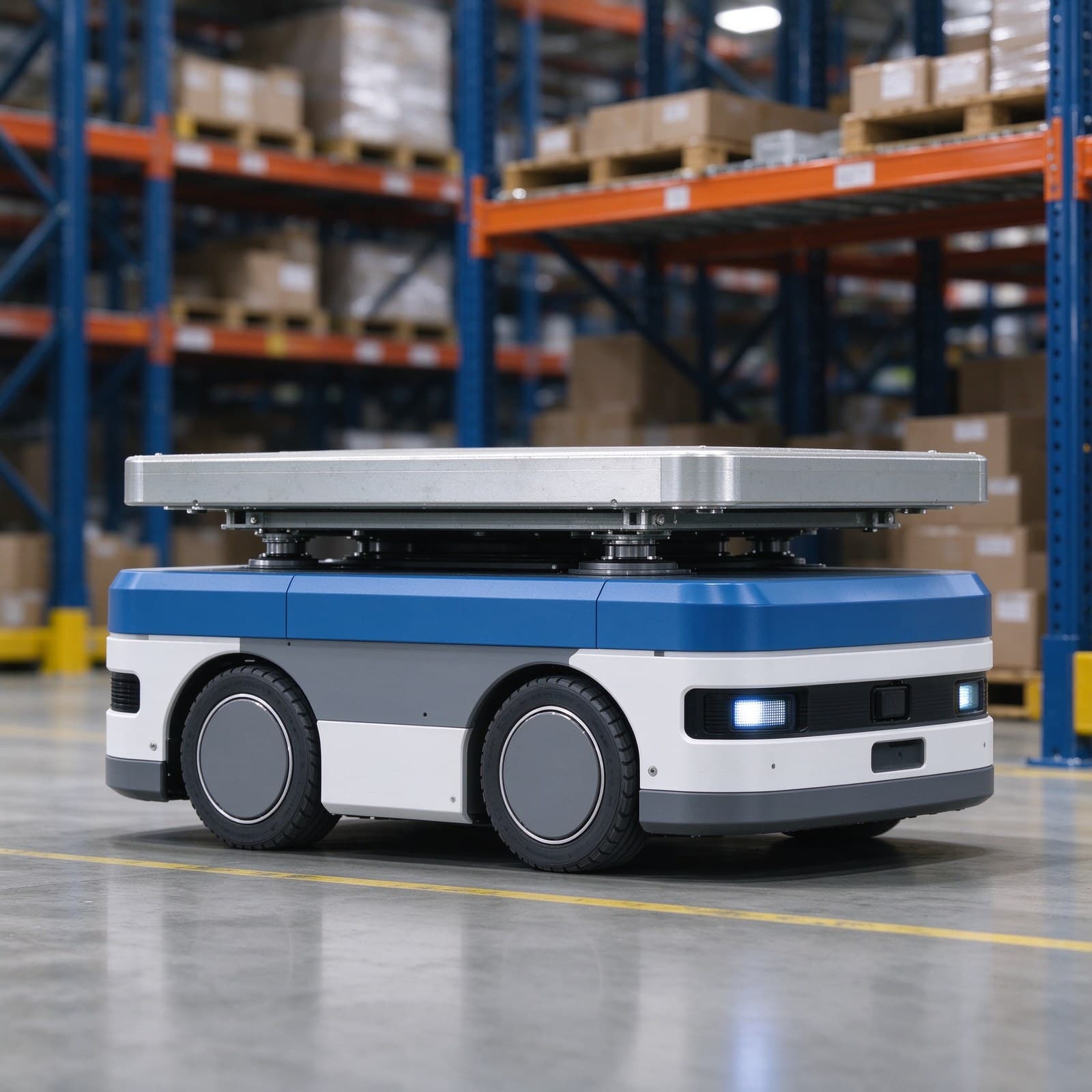
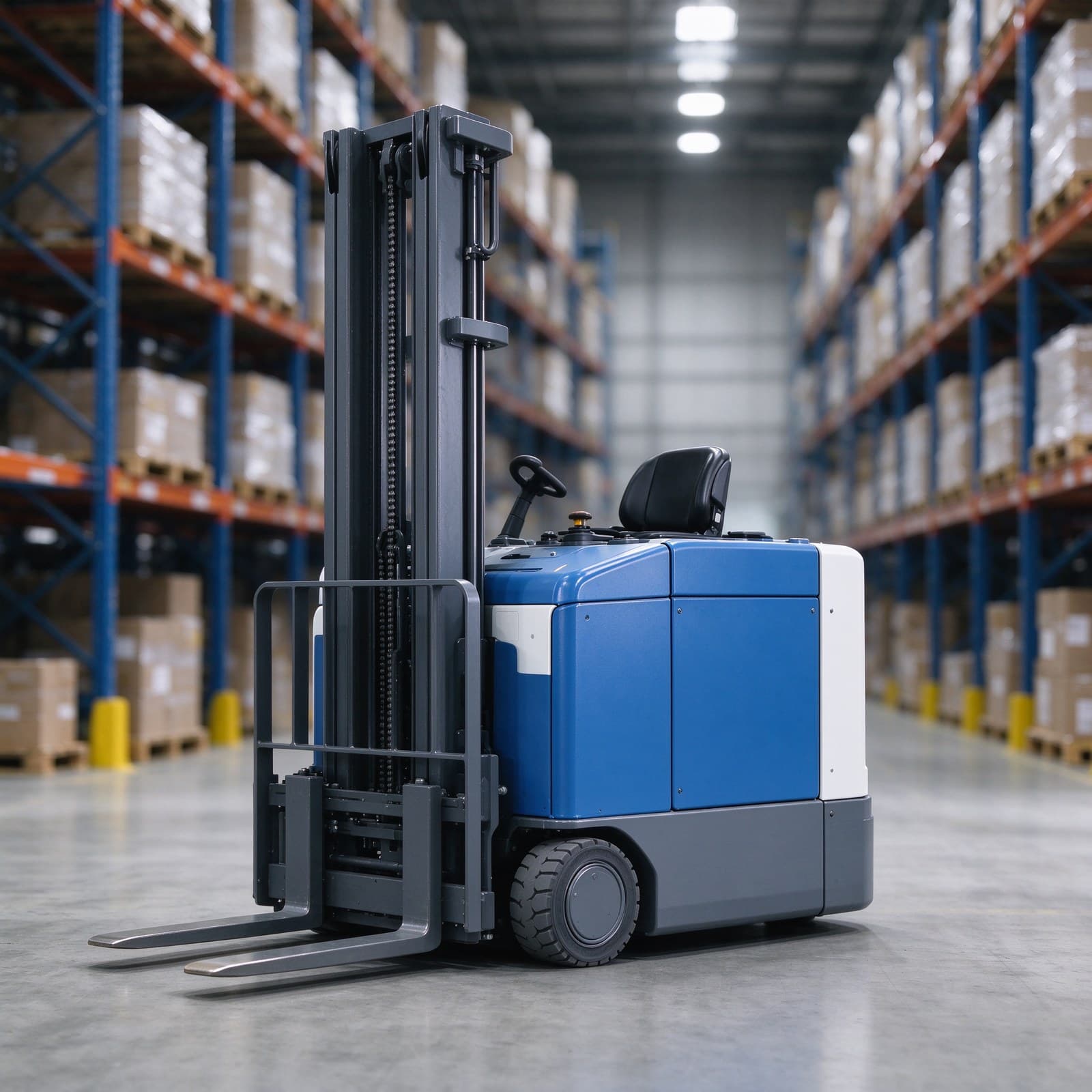
One of the most critical AGV implementation challenges is choosing the wrong vehicle type for your specific operational workflows. Choosing the wrong vehicle type can lead to bottlenecks, shortened equipment lifespan, and wasted capital investment. Solutions: Conduct a detailed operational assessment before shortlisting suppliers, map every material flow route, load weight, traffic density, and required precision. Then, select the appropriate AGV type, for instance, use low-profile automated pallet movers for heavy pallet transport, or laser-guided forklift AGVs for high-density warehouse storage. Avoid making decisions based on cost alone; prioritize compatibility with your existing facility layout and throughput targets.
Facility and Infrastructure Readiness
Facility and infrastructure readiness is the most common AGV implementation challenges for industrial plants, many companies underestimate the infrastructure modifications required for AGV deployment, leading to unplanned downtime and cost overruns. Solutions: Audit your facility in advance to identify and fix uneven floors, narrow traffic corridors, and poorly marked pathways that could disrupt AGV navigation. Upgrade your facility’s Wi-Fi network to support real-time fleet management, and install physical safety barriers in high-risk zones, such as hazardous material storage areas, to reduce accident risks.
System Integration & Workforce Resistance
System integration and workforce resistance are the most common AGV implementation challenges for logistics managers, incompatibility with existing ERP or WMS platforms, and operator pushback can derail even the best-designed AGV project. Solutions: Select an AGV supplier with a proven track record of integrating with legacy enterprise systems, request a demo environment to test the integration before scaling up. For workforce resistance, launch a phased training program that starts with basic operations, then moves to advanced troubleshooting, and creates incentives for operators who adopt the new system early.
Maximizing ROI and Avoiding Hidden Costs
Maximizing ROI and avoiding hidden costs are the most common AGV implementation challenges for plant managers, unanticipated maintenance, and software licensing costs can erode ROI, leading some facilities to abandon their automation plans entirely. Solutions: Negotiate a comprehensive total cost of ownership (TCO) agreement that covers maintenance, spare parts, and software updates for at least 3 years. Implement a phased AGV rollout instead of a full-scale deployment on day one; start with a pilot fleet in a high-volume, low-risk area to test performance and refine workflows before scaling up. This approach reduces risk and delivers faster, measurable ROI to stakeholders.
If you are looking for a reliable AGV supplier from China, feel free to contact us for a customized solution tailored to your facility's specific needs and budget constraints.
FAQ
Q: What industries are AGVs most suitable for?
A: AGVs are widely used in manufacturing, warehousing, automotive, electronics, and pharmaceuticals, any industry with repetitive material handling tasks can benefit from AGV implementation.
Q: How long does it take to see ROI from an AGV system?
A: Most facilities achieve ROI within 18-24 months, depending on the fleet size, throughput requirements, and labor cost savings in the region.
Q: What is the difference between AGVs and AMRs?
A: AGVs follow fixed paths using physical or magnetic guides, while AMRs use advanced sensors and AI to navigate dynamically, making AMRs more flexible but also more expensive.